

Can chiropractic care help with migraines?
Possibly, but the evidence is limited and does not support chiropractic care as a guaranteed migraine treatment. Some people report fewer or less intense migraine attacks after care that addresses neck discomfort, muscle tension, posture, or movement problems. Research on spinal manipulation suggests it may help reduce migraine frequency or pain for some adults, but the quality of evidence is mixed.
Migraine is a neurological condition, not simply a problem caused by tight neck muscles. Chiropractic care should therefore be viewed as a possible complementary option rather than a replacement for a medical migraine evaluation, prescribed medication, or an established prevention plan.
What is the connection between the neck and migraine?
Neck symptoms and migraine often occur together, but that does not necessarily mean the neck caused the migraine. During an attack, people may experience neck pain, stiffness, or sensitivity in the muscles around the shoulders and upper back. Some also develop discomfort from prolonged sitting, awkward sleep positions, or sustained screen use.
A separate condition called cervicogenic headache begins in structures of the neck and may feel similar to migraine. It can cause pain that spreads from the upper neck toward the back, side, or front of the head. Distinguishing cervicogenic headache from migraine matters because the treatment approach may differ.
A careful assessment may consider:
- Whether the headache is one-sided or affects both sides
- Throbbing or pressure-like pain
- Nausea or vomiting
- Sensitivity to light, sound, or movement
- Visual or sensory aura
- Neck stiffness or restricted movement
- Headache triggers, timing, and duration
- Changes in frequency or severity
What might chiropractic care involve?
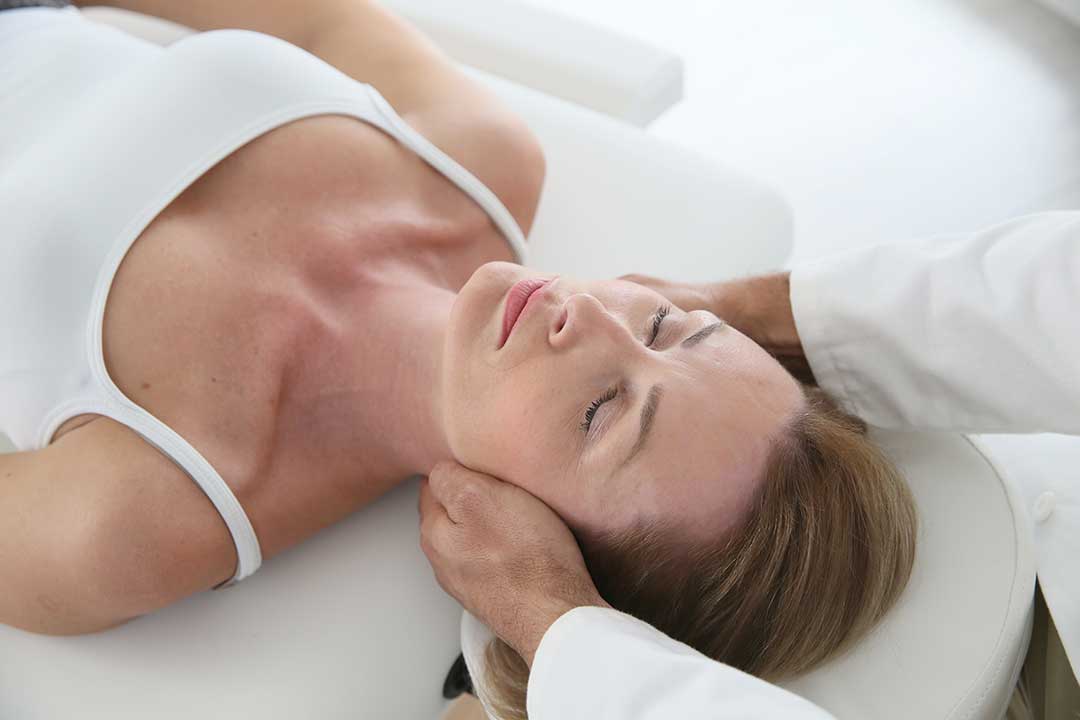
Chiropractic care for someone with recurring headaches may include more than spinal manipulation. Depending on the findings, care might involve gentle manual techniques, mobility exercises, posture education, soft-tissue work, and advice about activity habits.
The purpose is generally to improve comfort and movement in the neck and upper back, reduce muscle strain, and identify physical factors that may be aggravating symptoms. A treatment plan should be based on the person’s health history and headache pattern rather than on the assumption that every migraine comes from spinal misalignment.
High-velocity neck manipulation deserves particular care. Temporary soreness, stiffness, or a mild headache can occur after manipulation. Serious complications are uncommon, but sudden neurological symptoms after neck manipulation require emergency evaluation. People should disclose a history of stroke, blood-vessel disorders, clotting problems, recent neck injury, severe osteoporosis, inflammatory disease, or neurological symptoms before any manual treatment.
How strong is the evidence?
Studies have found that spinal manipulation may reduce the number of migraine days or the intensity of pain in some participants. However, the studies have been relatively small, used different treatment methods, and do not establish that chiropractic care works for everyone.
The evidence is stronger for some non-drug approaches than for others. Regular sleep, hydration, stress management, aerobic activity when tolerated, and identifying individual triggers can support migraine management. Physical therapy-based exercises may be useful when neck pain, weakness, or movement limitations are part of the problem.
A reasonable goal is not to promise that manipulation will stop migraines. Instead, the goal may be to determine whether addressing musculoskeletal contributors improves comfort, function, or the number of headache days over time.
Could local habits or seasonal conditions affect headaches?
Residents of Lynbrook may notice that headaches change with routines, weather, or household conditions. Seasonal temperature shifts, humid indoor air, heating systems, reduced outdoor activity, and changes in daylight can affect sleep, hydration, and muscle tension.
Commuting, desk work, studying, and extended phone or computer use may also encourage forward-head posture and prolonged static positions. These factors do not prove that posture causes migraine, but they can contribute to neck discomfort and may make an existing headache feel worse.
A simple headache diary can help identify patterns. Record:
- Date and approximate start time
- Sleep duration and quality
- Meals, hydration, and caffeine
- Menstrual or hormonal changes when relevant
- Weather or major temperature changes
- Screen time and prolonged sitting
- Neck pain or jaw tension
- Medications taken and the response
- Duration and severity of the attack
Patterns are more useful than a single suspected trigger. Avoiding too many foods or activities without clear evidence can create unnecessary restrictions.
Should chiropractic care replace migraine medication?
No. Chiropractic care should not replace medication prescribed for acute attacks or migraine prevention without guidance from the prescribing clinician. People with frequent, disabling, or worsening migraines may need a formal diagnosis and a broader treatment plan.
Medication overuse can also contribute to frequent headaches. Using pain-relieving medication repeatedly may cause headaches to become more persistent, even when the medication initially helps. A medical professional can review medication frequency and discuss safer options.
Chiropractic care may be considered alongside medical care when the person has neck pain, restricted movement, posture-related discomfort, or a clear musculoskeletal component. Communication between healthcare providers is especially useful when multiple treatments or medications are involved.
When should a headache be evaluated urgently?
A new or unusual headache should not automatically be treated as a routine migraine. Seek urgent medical evaluation for a headache that:
- Reaches maximum intensity suddenly
- Occurs after a head or neck injury
- Comes with weakness, numbness, confusion, fainting, trouble speaking, or trouble walking
- Includes a new vision problem, seizure, or severe dizziness
- Is accompanied by fever, stiff neck, or a widespread rash
- Begins during pregnancy or shortly after childbirth
- Is new after age 50
- Progressively worsens or changes substantially from the usual pattern
- Occurs with chest pain, severe shortness of breath, or markedly high blood pressure
These symptoms can have causes unrelated to migraine and may require immediate medical assessment. Manual treatment should not delay emergency care.
How can someone judge whether it is helping?
Track headache days, severity, duration, neck symptoms, and use of acute medication for several weeks. Improvement should be measured by meaningful changes, such as fewer migraine days, shorter attacks, less disability, or improved ability to work and sleep.
If symptoms do not improve, become more frequent, or worsen after treatment, the plan should be reconsidered. Good migraine care is based on accurate diagnosis, realistic expectations, safety screening, and ongoing review—not on the assumption that one technique will work for every person.
