
Chronic pain can affect movement, sleep, work, mood, and ordinary household routines. Self-care does not mean managing pain alone or ignoring symptoms. It means using steady, low-risk habits to support comfort and daily function while staying alert to changes that require medical attention.
What counts as chronic pain?
Chronic pain generally lasts longer than three months or continues beyond the expected healing period. It may come from arthritis, an old injury, nerve irritation, spinal problems, headaches, inflammatory conditions, or a cause that is not immediately clear.
Pain can also vary from day to day. A flare-up does not always mean new damage, and a quieter day does not necessarily mean the underlying problem has resolved. Tracking patterns can help identify which activities, sleep habits, stressors, or environmental conditions affect symptoms.
A simple pain record may include:
- Location and type of pain
- Pain intensity and duration
- Sleep quality
- Activity level
- Work, commuting, or household demands
- Weather or temperature changes
- Medications or home measures used
- Any numbness, weakness, swelling, fever, or other new symptoms
For residents managing pain through cold winters, damp weather, or long periods indoors, it may also help to record whether reduced activity, shoveling, carrying heavy items, or prolonged sitting changes symptoms.
How can movement help without causing a flare-up?
Gentle, consistent movement is usually more useful than complete rest. Prolonged inactivity can lead to stiffness, reduced strength, and greater sensitivity to ordinary physical demands. The right activity depends on the cause of pain, current fitness, age, balance, and other health conditions.
Begin below the level that usually triggers a flare. Options may include:
- Short walks at a comfortable pace
- Gentle range-of-motion movements
- Light stretching without forcing a painful position
- Water-based exercise
- Gradual strengthening using body weight or light resistance
- Brief movement breaks during desk work, driving, or television
Pacing is often more effective than the “good day, bad day” cycle. Instead of completing every task during a relatively comfortable period and then spending the next day in bed, divide chores into smaller steps. For example, carrying laundry in lighter loads, alternating standing and sitting, or taking brief breaks during cleaning may reduce the chance of a setback.
A mild increase in effort can be normal, but sharp pain, new weakness, loss of balance, or symptoms that continue to intensify should not be pushed through. A chiropractor, physical therapist, physician, or other qualified clinician can help determine which movements are appropriate for a particular condition.
What can improve sleep when pain is persistent?
Poor sleep can increase pain sensitivity, fatigue, irritability, and difficulty concentrating. Improving sleep may not eliminate pain, but it can make symptoms easier to manage.
Useful habits include keeping a regular wake time, limiting stimulating activities close to bedtime, and making the bedroom comfortable and quiet. Gentle stretching, slow breathing, or a warm shower may help the body transition toward rest.

Pain may also be affected by the way a person sleeps. A pillow that supports the neck, a cushion between the knees for side sleeping, or a pillow under the knees for back sleeping may reduce strain for some people. These adjustments are individual; a position that helps one person may aggravate another.
If loud snoring, gasping, frequent nighttime awakenings, or severe daytime sleepiness occurs, sleep quality should be discussed with a healthcare provider. An untreated sleep disorder can make pain management more difficult.
Can heat, cold, or relaxation techniques help?
Heat may ease muscle stiffness and make gentle movement more comfortable. Cold can sometimes reduce temporary soreness or swelling after activity. Neither should be applied directly to bare skin for extended periods, and people with reduced sensation or circulation problems should use extra caution.
Relaxation techniques can help reduce the muscle tension and stress response that often accompany persistent pain. Try five minutes of slow breathing:
1. Inhale gently through the nose.
2. Exhale more slowly than the inhalation.
3. Relax the jaw and shoulders.
4. Continue without forcing a deep breath.
Other options include progressive muscle relaxation, guided imagery, mindfulness, and quiet music. These techniques are not a claim that pain is “just psychological.” Pain is real, and the nervous system is influenced by sleep, stress, mood, and physical tension.
How should daily activities be adjusted?
Small changes to movement patterns can reduce repeated strain. Keep frequently used items at a comfortable height, avoid twisting while lifting, and hold objects close to the body. For heavier items, split the load or use a cart when practical.
Households often require seasonal tasks such as carrying groceries, clearing outdoor areas, moving furniture, or preparing for colder weather. These jobs are safer when divided into shorter sessions. Warm up with easy movement before demanding tasks, use stable footwear, and avoid lifting beyond current ability.
Workstations also deserve attention. Feet should be supported, screens should be near eye level, and the body should not remain in one position for hours. A short movement break every 30 to 60 minutes may be more realistic and useful than trying to maintain a perfect posture all day.
Should over-the-counter pain medicine be part of self-care?
Over-the-counter medicines can carry risks, especially with kidney disease, stomach ulcers, high blood pressure, blood-thinning medication, pregnancy, allergies, or other prescriptions. Follow the product label and avoid combining medicines that contain the same active ingredient.
Topical products may be appropriate for some localized pain, but they also require careful label reading. A pharmacist or medical clinician can help review interactions, dosing, and whether a medicine fits a person’s health history.
Self-care should not rely on repeatedly increasing medication use to remain active. Needing more medicine, using it more often than directed, or experiencing side effects is a reason to seek guidance.
When should chronic pain be medically evaluated?
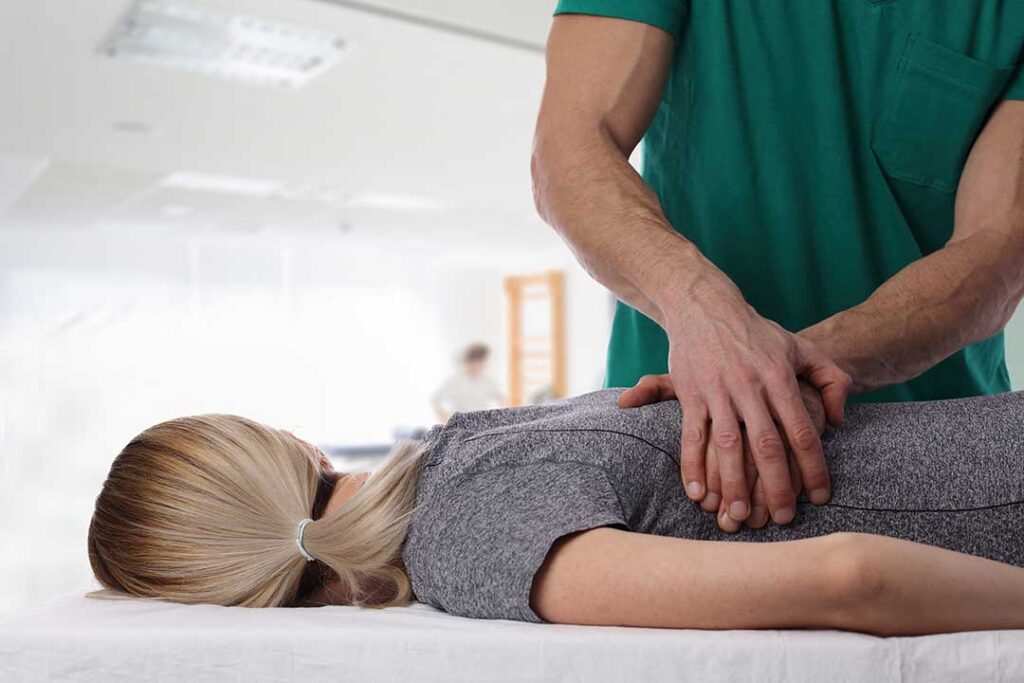
Persistent pain deserves evaluation when its cause is unknown, symptoms interfere with sleep or daily activities, or improvement has stalled. Chiropractic care may be one part of a broader plan for selected musculoskeletal conditions, particularly when combined with appropriate exercise, activity changes, and medical assessment when needed. It is not suitable for every type of pain.
Prompt medical attention is warranted for pain accompanied by new or progressive weakness, loss of bladder or bowel control, numbness in the groin area, unexplained weight loss, fever, major swelling, chest pain, severe abdominal pain, or pain after significant trauma. Sudden severe symptoms should be treated as urgent.
The most sustainable approach is usually a combination of gradual movement, pacing, sleep support, stress reduction, safe home measures, and appropriate evaluation. The aim is not always to wait for pain to reach zero before living normally; it is to improve safety, function, confidence, and control over daily routines.
