

What does better mobility actually mean?
Better mobility means being able to move a joint or body region through a useful range of motion with reasonable strength, balance, and control. It is more than flexibility. Someone may be able to touch their toes but still have difficulty climbing stairs, turning comfortably, getting out of a chair, or carrying groceries.
For residents of Lynbrook, daily mobility can be affected by long periods of sitting, driving, indoor routines during cold or wet weather, home maintenance, commuting, and changes in activity between seasons. Natural strategies can help, especially when they are gradual and consistent.
Which natural habits support mobility?
The most reliable approach combines regular movement, gentle range-of-motion exercises, strength, balance, sleep, and sensible recovery. No single stretch or technique works equally well for every person.
A practical weekly routine may include:
- Moderate walking or another comfortable aerobic activity on most days
- Strength exercises at least twice weekly
- Gentle mobility work for commonly stiff areas
- Balance exercises, especially for older adults
- Short movement breaks during long periods of sitting
- Adequate sleep and recovery between demanding activities
The recommended amount of activity does not need to happen all at once. A few brief walks or movement sessions can be added throughout the day.
How can walking improve movement?
Walking is a useful starting point because it gently moves the hips, knees, ankles, and spine while also challenging balance and endurance. It can be done indoors or outdoors and adjusted to match current ability.
Begin with a pace that allows normal conversation. If a longer walk causes soreness, divide it into shorter periods. For example, several five- to ten-minute walks may be more manageable than one extended session.
During colder months, slippery sidewalks and icy surfaces can create fall risks. Indoor walking, clear pathways, supportive footwear, and slower turns may be appropriate alternatives. Uneven ground should be approached carefully, particularly for anyone with balance concerns.
What mobility exercises can be done at home?
Gentle movements are often more useful than forceful stretching. Perform them slowly, breathe normally, and stay within a comfortable range.
Examples include:
- Neck turns: Slowly look left and right without forcing the end position.
- Shoulder rolls: Move the shoulders up, back, and down in a controlled circle.
- Wall chest stretch: Place the forearm against a wall and gently rotate the body away.
- Seated hip movement: While sitting, lift one knee at a time without leaning backward.
- Ankle circles: Lift one foot slightly and draw slow circles in both directions.
- Sit-to-stand practice: Rise from a stable chair and sit back down with control.
- Heel raises: Hold a counter for support and slowly rise onto the balls of the feet.
A short warm-up, such as easy walking, can make movement more comfortable. Stretching should create mild tension, not sharp, stabbing, or worsening pain.
Why is strength important for mobility?
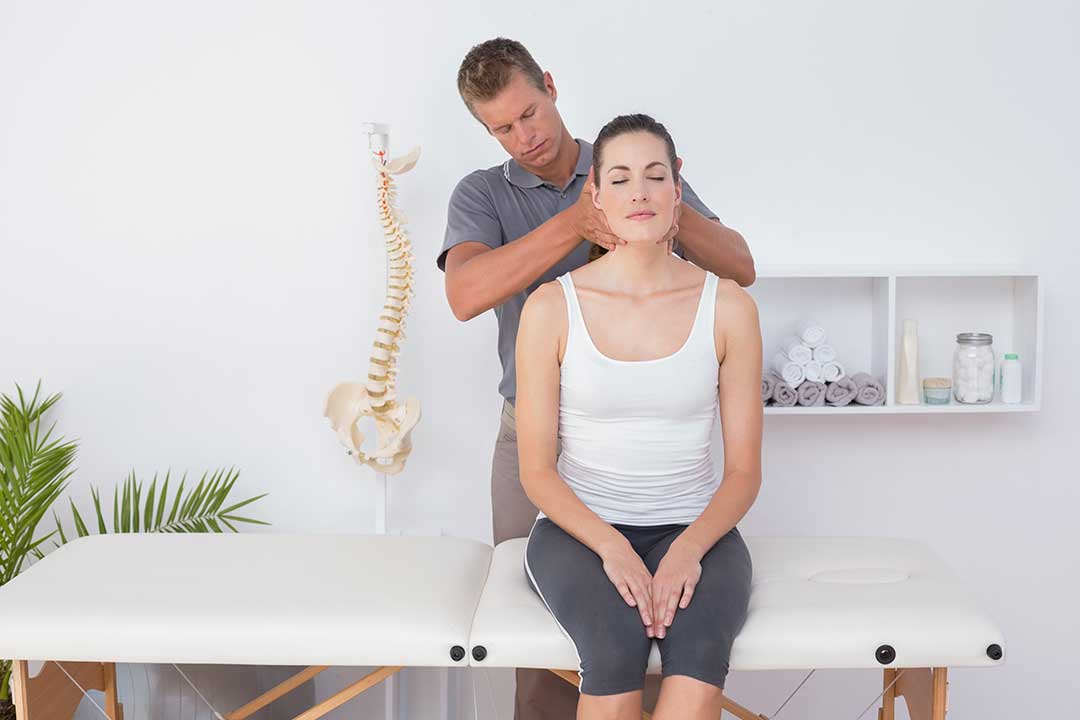
Strength allows the body to use its available range of motion during real activities. Weak legs may make stairs and getting out of a chair difficult even when the joints themselves are flexible. Weak trunk and hip muscles can also affect posture and walking mechanics.
Useful body-weight exercises include supported squats, wall pushups, bridges, step-ups on a secure surface, and controlled sit-to-stands. Start with a small number of repetitions and focus on smooth movement rather than speed.
Resistance bands or light weights may be added later if the exercises remain comfortable. Increasing resistance too quickly can aggravate a joint or muscle, so progression should be gradual.
Can posture and movement breaks make a difference?
Yes. Staying in one position for a long time can make the back, hips, shoulders, and legs feel stiff. This is common during desk work, driving, television viewing, or household tasks that involve bending or reaching.
Every 30 to 60 minutes, change position or take a brief movement break. Stand, walk around the room, gently move the shoulders, or perform a few ankle pumps. The goal is not perfect posture maintained all day. The goal is to avoid remaining in one position for too long.
At home, frequently used items can be placed where they are easy to reach. This may reduce repeated twisting, overhead reaching, or deep bending.
Does sleep, hydration, or nutrition affect mobility?
Recovery habits influence how comfortably the body moves. Poor sleep can increase fatigue and make normal activity feel more difficult. Regular meals with adequate protein support muscle maintenance, while fluids help prevent dehydration-related fatigue during activity.
Nutrition cannot reverse every joint or spine problem, and supplements are not automatically beneficial. A balanced eating pattern is generally more useful than relying on products marketed for flexibility or joint comfort.
Stress also affects movement. People may tense the jaw, shoulders, back, or hips without realizing it. Slow breathing, quiet walking, and gentle stretching can help reduce unnecessary muscle guarding.
When should mobility exercises be stopped?
Stop an exercise if it causes sharp pain, new numbness, marked weakness, dizziness, chest discomfort, unusual shortness of breath, or loss of coordination. Mild muscle effort or temporary stiffness can be normal, but symptoms should not steadily worsen during or after activity.
Prompt medical evaluation is appropriate for sudden weakness, loss of bladder or bowel control, severe pain after a fall, unexplained swelling, fever with joint pain, or pain accompanied by significant numbness. A new limitation that persists despite several days of reduced activity also deserves attention.
People recovering from surgery, fractures, significant injuries, or serious medical conditions may need individualized instructions before beginning an exercise routine.
How can residents build a realistic mobility routine?
A manageable plan is more likely to last than an ambitious program. Start with five to ten minutes of movement and add time gradually as tolerance improves. Choose activities that fit the household routine, available space, weather, and current level of confidence.
A simple home schedule might include a short walk, several mobility exercises, and two weekly strength sessions. Keep a stable chair or countertop nearby for support, remove loose rugs from exercise areas, and use adequate lighting during early morning or evening movement.
The most useful measure of progress is not how far a person can stretch. It is whether ordinary tasks—walking, reaching, lifting, turning, standing, and climbing stairs—become steadier and more comfortable over time.
