
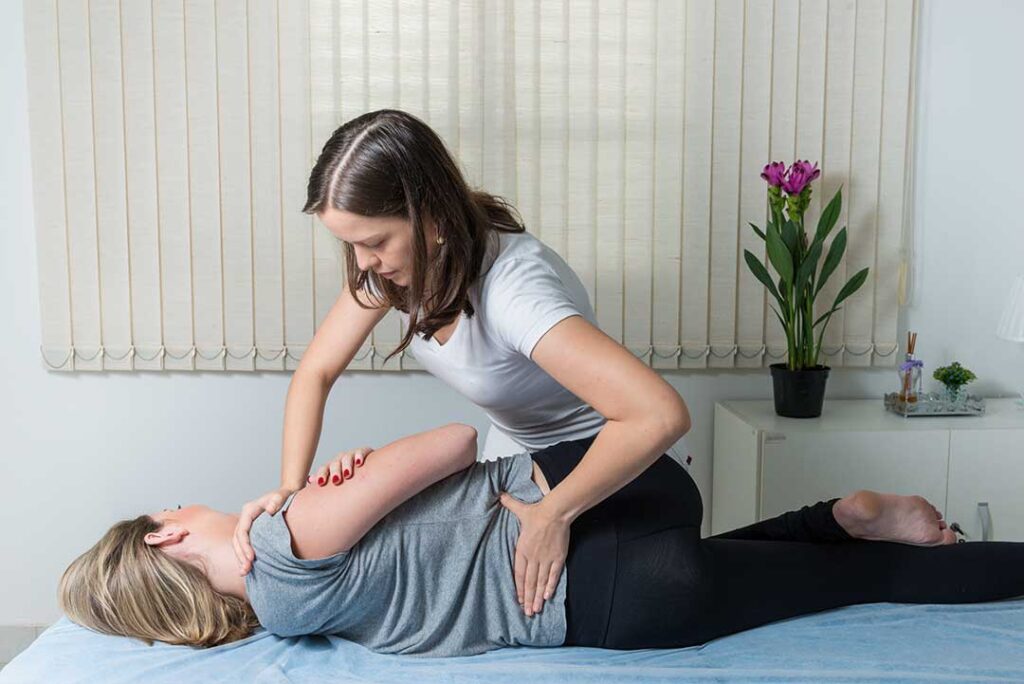
A healthy spine depends less on perfect posture or occasional stretching than on consistent daily habits. Regular movement, sensible lifting, supportive sleep positions, and attention to warning signs can help local residents protect their backs and stay active.
What does it mean to have a healthy spine?
A healthy spine is strong enough to support the body, flexible enough to allow normal movement, and coordinated with the muscles, hips, shoulders, and legs. It does not need to feel completely symptom-free every day. Temporary stiffness after sleeping, working, or exercising can occur without indicating serious damage.
Spinal health is influenced by several factors:
- Muscle strength and endurance
- Joint mobility
- Physical activity levels
- Sleep quality
- Body weight and nutrition
- Work, driving, and household demands
- Previous injuries or medical conditions
The goal is not to hold the back rigidly all day. The spine is designed to move. A healthier approach is to change positions regularly and build the capacity to handle normal activities.
How much movement does the spine need?
Most adults benefit from regular aerobic activity along with muscle-strengthening exercises. Walking, cycling, swimming, and similar low-impact activities can improve circulation and general conditioning. Strength exercises can support the muscles of the abdomen, hips, back, and legs.
For people who are currently inactive, starting with short walks and gradually increasing duration is more realistic than beginning with intense workouts. A few minutes of movement several times a day can be useful, especially for residents whose work or routines involve long periods of sitting.
Try to include:
- Frequent walking or other moderate activity
- Gentle mobility exercises for the hips, upper back, and shoulders
- Strength exercises at least twice weekly, adjusted to individual ability
- Balance exercises for older adults or anyone at risk of falling
Exercise should create a manageable challenge, not sharp pain, increasing numbness, or weakness. A gradual increase in activity is generally safer than attempting a demanding routine after weeks or months of inactivity.
Is posture the main cause of back pain?
Posture matters, but there is no single perfect posture that prevents all back problems. Remaining in one position for a long time may be more stressful than sitting or standing in a slightly imperfect position for a short period.
At a desk, keep the screen near eye level, allow the shoulders to relax, and place both feet on the floor when possible. The lower back may be supported by the chair or a small cushion. More important than maintaining a rigid position is changing positions every 30 to 60 minutes.
During phone use, avoid holding the device between the shoulder and ear. When reading or using a handheld screen, bringing it closer to eye level can reduce prolonged neck bending. These adjustments are especially useful during work, homework, and evening screen time.
What is the safest way to lift household items?
Lifting is usually safer when the load is kept close to the body and the movement is controlled. Before lifting, estimate the weight and clear the path. Turn by moving the feet rather than twisting the torso while carrying.
A practical lifting sequence is:
- Stand close to the object with a stable foot position.
- Bend through the hips and knees rather than rounding deeply through the back.
- Brace the abdominal muscles gently.
- Lift smoothly without jerking.
- Keep the object near the waist.
- Ask for help with unusually heavy, awkward, or bulky items.

Seasonal household tasks can challenge the spine, including moving storage bins, carrying groceries, shoveling, gardening, and rearranging furniture. Break large tasks into smaller steps, alternate activities, and take brief movement breaks instead of working until the back becomes exhausted.
How can sleep support spinal health?
Sleep position is largely a matter of comfort, but some arrangements reduce strain for certain people. Side sleeping with a pillow between the knees may help keep the hips more aligned. Back sleepers may feel more comfortable with support beneath the knees. A mattress and pillow should provide support without forcing the neck or spine into an extreme angle.
Stomach sleeping can increase neck rotation and may aggravate symptoms for some people, although comfort and individual circumstances vary. If a sleep position repeatedly causes morning pain, experiment with pillow placement, sleeping position, and mattress support rather than assuming discomfort is unavoidable.
Poor sleep can also make pain feel more intense and may reduce the body’s ability to recover from physical stress. A consistent sleep schedule and a comfortable, dark, quiet bedroom can support both general health and musculoskeletal recovery.
Do weight and nutrition affect the spine?
Body weight is only one part of spinal health, but carrying excess weight can increase physical demands on the back, hips, and knees. Gradual, sustainable changes in eating and activity habits are generally more useful than restrictive short-term diets.
A balanced eating pattern should include adequate protein, fruits, vegetables, whole grains, and sources of calcium and vitamin D. These nutrients support bones and muscles. Hydration also matters during physical activity, particularly in warm weather or during outdoor chores.
Smoking can interfere with circulation and tissue health and is associated with poorer outcomes for some back conditions. Reducing or stopping tobacco use can benefit the spine as well as the heart, lungs, and blood vessels.
What should someone do when back or neck discomfort begins?
Mild discomfort does not always require complete rest. In many cases, gentle movement and modification of aggravating activities are more helpful than staying in bed for long periods. Short walks, comfortable position changes, and temporarily reducing heavy lifting may allow symptoms to settle.
Avoid pushing through pain that is sharp, worsening, or accompanied by neurological symptoms. Over-the-counter medication may not be appropriate for everyone, particularly people with kidney disease, stomach ulcers, blood-thinning medication use, pregnancy, or other medical conditions. Medication decisions should be based on individual health circumstances.
Seek prompt medical evaluation for severe or rapidly worsening pain, pain after a significant fall or collision, fever, unexplained weight loss, or pain that is persistent and unusually intense at night. Immediate attention is warranted for new loss of bladder or bowel control, numbness around the groin, or significant weakness or numbness in both legs.
Healthy spine care is mostly built into ordinary routines: walk regularly, vary positions, lift thoughtfully, sleep comfortably, and respond early when symptoms change. These habits can help residents stay active through changing seasons and the everyday demands of work, commuting, household tasks, and family life.
