
Sciatica can cause sharp, burning, or electric-like pain that travels from the lower back or buttock into the thigh, calf, or foot. Natural self-care may reduce irritation and improve movement, but it does not replace evaluation when symptoms are severe, persistent, or associated with weakness or changes in bladder or bowel control.
What does sciatica feel like?
Sciatica is a group of symptoms caused by irritation or pressure affecting nerves in the lower back that join to form the sciatic nerve. It usually affects one side and may include:
- Pain that travels below the buttock and down the leg
- Tingling, pins-and-needles, or numbness
- Burning or shock-like sensations
- Leg or foot weakness
- Pain that worsens with prolonged sitting, coughing, sneezing, bending, or lifting
Not every ache in the low back is sciatica. Muscle strain, hip problems, arthritis, and other conditions can create similar discomfort. Pain that travels below the knee, especially with tingling or numbness, is more suggestive of nerve involvement.
Can heat or cold help sciatic pain?
Yes. Cold and heat can provide short-term comfort, although neither corrects the underlying cause.
During the first day or two after a flare, a cold pack wrapped in a towel may help reduce discomfort. Use it for about 15 to 20 minutes at a time, leaving breaks between applications. Do not place ice directly on the skin.
After the initial irritation settles, many people prefer a warm shower, heating pad, or warm compress. Heat may relax tight muscles and make gentle movement easier. Keep the temperature moderate and avoid falling asleep with a heating device in place, particularly for anyone with reduced sensation or circulation problems.
Some people find alternating cold and warmth helpful. The best option is the one that provides relief without causing skin irritation or increased pain.
Should you rest or keep moving?
Gentle movement is usually more helpful than prolonged bed rest. Staying in bed or sitting for much of the day can increase stiffness and make the return to normal activity more difficult.
A practical approach is to reduce activities that clearly worsen symptoms while continuing tolerable movement. Short walks around the home, light household activity, or brief periods of standing may be better tolerated than one long outing.
Residents in Lynbrook may notice symptoms become more troublesome during long drives, extended sitting at a desk, or colder months when outdoor activity decreases. Changing position regularly can help. Consider standing for a few minutes every 30 to 45 minutes, walking inside, or performing a few comfortable range-of-motion movements.
Pain should not steadily escalate during or after activity. If a movement causes increasing leg pain, numbness, or weakness, stop that movement and choose an easier option.
Which gentle exercises may help?
Exercises should be comfortable and gradual. The right movement depends on the cause of the symptoms, so no single stretch works for everyone.
Possible starting points include:
- Easy walking on a level surface
- Gentle pelvic movements while lying on the back with knees bent
- Slow knee-to-chest movements, if they feel comfortable
- Light hamstring or hip stretches without forcing the range
- Gentle abdominal bracing while breathing normally
Try a small number of repetitions rather than a long workout. A mild pulling sensation can be acceptable, but sharp pain, worsening tingling, or pain spreading farther down the leg is a reason to stop.
Avoid aggressive stretching, repeated twisting, heavy lifting, and high-impact exercise during an acute flare. “No pain, no gain” is not a safe rule for nerve-related symptoms.
How can sitting and sleeping positions be adjusted?
Position changes often provide more relief than trying to hold one “perfect” posture.
When sitting, keep both feet supported and avoid sinking into a deeply rounded position. A small rolled towel behind the lower back may improve comfort. If sitting makes symptoms worse, alternate between sitting and standing rather than trying to tolerate a long period in one position.
For sleep, side-lying with a pillow between the knees may reduce twisting through the pelvis. Some people are more comfortable on their back with a pillow under the knees. The goal is a position that reduces leg symptoms and allows uninterrupted rest.
A mattress or chair does not need to be expensive to be helpful. Support, adjustability, and the ability to change position matter more than a universal “best” product.
Are natural supplements or herbal remedies effective?
Evidence for supplements and herbal products is limited and inconsistent. Products marketed for inflammation or nerve pain may interact with blood thinners, blood pressure medicines, diabetes medicines, or other treatments. “Natural” does not automatically mean safe.
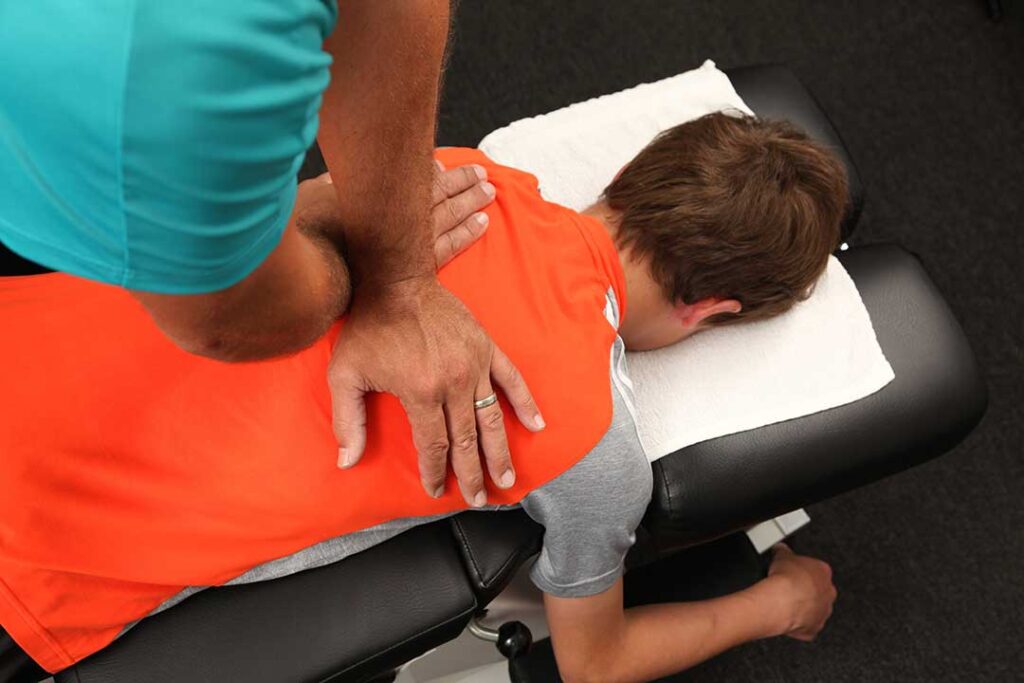
Massage may temporarily relax surrounding muscles, but deep pressure over an acutely painful area can aggravate symptoms. Gentle manual techniques should not be used as a substitute for evaluation when numbness or weakness is progressing.
Spinal manipulation, acupuncture, and structured exercise may help some people, but their suitability depends on the cause of the pain and the individual’s medical history. A careful assessment is especially important after an injury, during pregnancy, or when symptoms include neurological changes.
Can over-the-counter pain medicine be combined with home care?
Some people use nonprescription pain relievers while applying heat or cold and remaining active. However, anti-inflammatory medicines can be unsafe for people with kidney disease, stomach ulcers, certain heart conditions, blood-thinning treatment, or other medical concerns. Acetaminophen also has dosing limits and may be risky with liver disease or heavy alcohol use.
Read the label, avoid combining products with the same active ingredient, and ask a pharmacist or medical clinician if there is any uncertainty. Medication should support safe movement, not mask worsening weakness or allow strenuous activity.
When does sciatica require urgent attention?
Seek emergency care for:
- New loss of bladder or bowel control
- Difficulty starting urination or inability to urinate
- Numbness around the groin, genitals, or inner thighs
- Severe or worsening weakness in one or both legs
- Sciatica affecting both legs
- Severe symptoms after a major fall, crash, or other injury
Prompt medical evaluation is also appropriate for fever with back pain, unexplained weight loss, a history of cancer, significant nighttime pain, or symptoms that are steadily worsening.
For less urgent cases, arrange an evaluation if pain is severe, interferes with ordinary activities, or does not begin improving after several weeks of home care. Most uncomplicated episodes improve over time, but persistent nerve symptoms deserve attention so the cause can be identified and a safe activity plan developed.
