

What does mobility really mean?
Mobility is the ability to move a joint or the whole body comfortably, steadily, and with enough control for daily activities. It includes more than flexibility. Walking, climbing stairs, getting out of a chair, turning the head, reaching overhead, carrying groceries, and maintaining balance all depend on mobility.
For residents of Lynbrook, mobility can be affected by long periods of sitting, commuting, household tasks, winter weather, reduced outdoor activity, or changes in strength and balance with age. The most reliable natural approach is usually a combination of regular movement, gradual strengthening, flexibility work, balance practice, and attention to pain signals.
Which types of exercise support mobility?
A well-rounded routine includes four basic elements: aerobic activity, muscle strengthening, flexibility, and balance. These areas support one another. Stronger legs can make stairs easier, flexible hips can improve walking stride, and better balance can reduce the risk of falls.
Useful options include:
- Walking at a comfortable or brisk pace
- Gentle cycling or water exercise
- Sit-to-stand repetitions from a sturdy chair
- Step-ups on a low step with a handrail nearby
- Wall push-ups
- Light resistance-band exercises
- Heel raises while holding a counter
- Tai chi or carefully modified yoga
- Gentle stretching after muscles are warm
Adults are generally encouraged to work toward 150 minutes of moderate physical activity each week and muscle-strengthening activities on at least two days. That goal can be divided into shorter periods. A ten-minute walk in the morning, another brief walk later, and several minutes of strengthening can be more manageable than one long session.
People who have been inactive should begin below their maximum effort and increase gradually.
How can someone improve mobility at home?
A short daily movement routine may be more useful than occasional intense workouts. The purpose is to keep joints moving and to practice common activities safely.
A simple routine might include:
1. Warm-up: Walk around the room for three to five minutes or gently move the arms and ankles.
2. Joint motion: Slowly rotate the shoulders, bend and straighten the knees, and move the ankles through a comfortable range.
3. Strength: Perform several controlled sit-to-stands, wall push-ups, and heel raises.
4. Balance: Stand near a counter and briefly shift weight from one foot to the other. Progress only if this feels stable.
5. Stretching: Gently stretch the calves, thighs, hips, chest, and shoulders without bouncing.
Movements should feel controlled rather than forced. Mild effort or muscle fatigue can be expected, but sharp pain, increasing numbness, dizziness, unusual weakness, or loss of coordination is a reason to stop.
Can walking improve stiffness and joint function?
Yes. Regular walking can help maintain strength, endurance, joint motion, and confidence with movement. It may also reduce the stiffness that develops after sitting for long periods.
For people who experience discomfort, walking can be adjusted by changing pace, distance, surface, or footwear. A short indoor walk may be more comfortable during icy or wet weather. On colder days, warming up indoors before going outside can make the first few minutes easier.
A practical pattern is to walk until mild fatigue appears, rest if needed, and repeat later. Increasing distance by a small amount every several days is generally safer than making a large jump in activity.
Walking should not be treated as a test of endurance. The appropriate amount depends on age, conditioning, joint health, balance, and other medical conditions.
What role do stretching and strength training play?
Stretching helps maintain the range of motion needed for everyday tasks, but stretching alone does not build enough strength to support the joints. Strength training helps the muscles control movement and absorb physical demands.
For example, stronger hip and thigh muscles can support stair climbing and standing from a chair. Stronger back and abdominal muscles may help with lifting and posture, although exercise does not guarantee that back pain will be prevented.
Stretching is usually most comfortable after a warm-up. Hold a gentle stretch without bouncing, and avoid forcing a joint toward pain. Strength exercises should use slow, steady movements. Quality matters more than the number of repetitions.
Household activities can also contribute to physical activity, but they may not provide balanced strengthening. Repeated lifting, bending, or reaching on only one side can place uneven demands on the body. Alternating tasks and changing positions can reduce strain.
Does chiropractic care have a role in mobility?
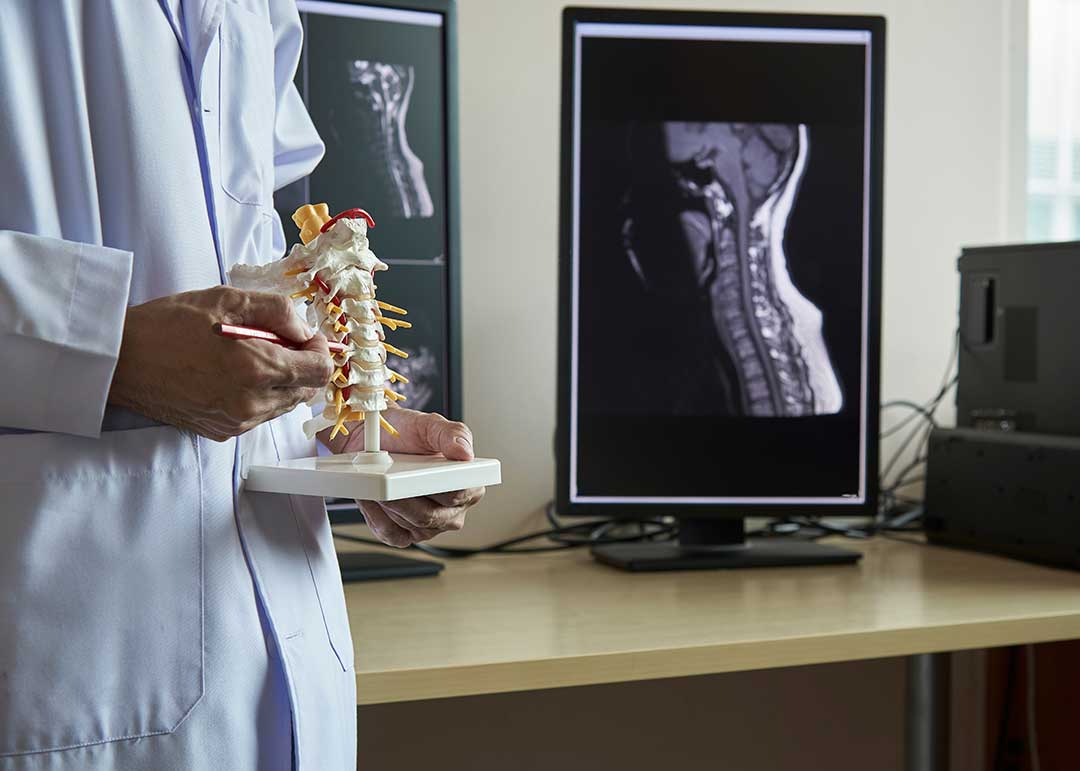
Chiropractic care may include spinal manipulation, mobilization, exercise guidance, and education about movement. Research suggests that spinal manipulation can provide modest improvements in pain and function for some people with low-back pain. It is not a universal solution, and results vary.
Mobility improvement is more likely to last when hands-on care, if used, is combined with active strategies such as walking, strengthening, and gradual return to normal activities. A passive treatment should not replace appropriate exercise or evaluation of an underlying medical condition.
People should also understand that temporary soreness or increased discomfort can occur after spinal manipulation. Neck manipulation requires particular caution because serious complications, although uncommon, have been reported. A detailed health history and clear discussion of risks are appropriate before any treatment involving forceful movement.
What habits commonly limit mobility?
Several everyday patterns can gradually reduce comfort and movement:
- Remaining seated for long periods without standing or changing position
- Avoiding all activity because of mild, manageable stiffness
- Increasing exercise too quickly after a period of inactivity
- Wearing unstable footwear during slippery conditions
- Doing heavy yardwork or snow-related tasks without preparation
- Repeatedly bending from the waist instead of using the hips and knees
- Ignoring sleep, stress, or fatigue, which can affect pain sensitivity and coordination
During winter, ice and uneven surfaces can make balance more demanding. Using handrails, improving lighting, clearing walkways, and choosing appropriate footwear are simple environmental steps that support mobility.
When should pain or stiffness be medically evaluated?
New or worsening mobility problems deserve attention when they interfere with walking, sleep, work, or basic activities. Prompt medical evaluation is especially important after a fall or injury, or when symptoms include:
- Sudden weakness or inability to bear weight
- Numbness that is spreading or severe
- Loss of bladder or bowel control
- Fever, unexplained weight loss, or significant swelling
- Chest pain, fainting, or unusual shortness of breath
- Severe pain that does not improve with rest
- A joint that appears deformed or cannot be moved normally
People with osteoporosis, recent surgery, inflammatory arthritis, neurological conditions, heart disease, or other significant health concerns may need an individualized activity plan. Older adults with repeated falls or growing difficulty with balance may benefit from a structured assessment rather than trying increasingly difficult exercises alone.
Mobility is best supported by consistent, appropriately challenging movement. A routine that combines walking, strength, flexibility, balance, and sensible safety adjustments can help many local residents remain active through changing seasons and everyday demands.
