
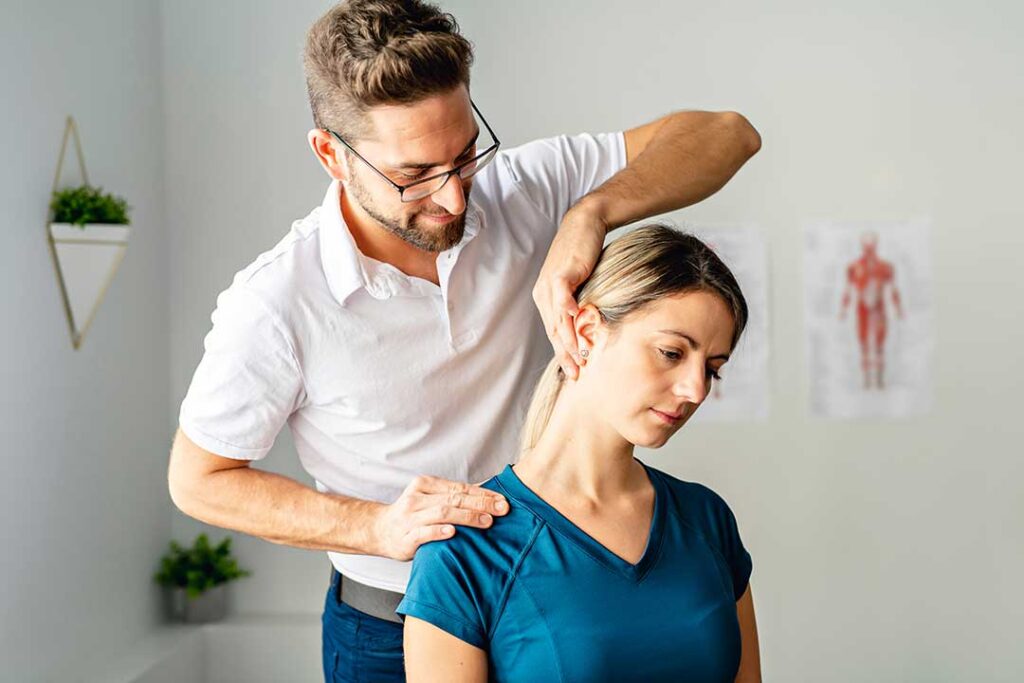
What does a healthy spine need each day?
A healthy spine depends on regular movement, supportive muscles, good recovery, and sensible body mechanics. It does not require perfect posture or avoiding every activity. Most people benefit more from changing positions often and building steady strength than from trying to hold one rigid position all day.
The spine is supported by the muscles of the abdomen, hips, pelvis, shoulders, and legs. These areas work together during walking, lifting, reaching, sitting, and standing. A routine that keeps the whole body active is generally more useful than focusing only on the back.
How much movement is enough?
Regular, moderate activity helps maintain mobility and strength. Walking, swimming, cycling, gentle yoga, and basic strengthening exercises can all support back health when performed within a person’s abilities.
For residents managing desk work, commuting, household tasks, or long periods indoors during cold weather, brief movement breaks can be especially useful. Try standing, walking, or changing position every 30 to 60 minutes. Even a few minutes of movement can reduce the stiffness that develops from sitting in one position.
A gradual approach is safer than exercising intensely after a long inactive period. Begin with an amount that feels manageable and increase duration or resistance slowly. Mild muscle effort is expected, but sharp, worsening, or radiating pain is a reason to stop and reassess the activity.
What exercises help support the back?
A balanced routine usually includes three types of activity:
- Aerobic movement: Walking or another low-impact activity supports circulation, endurance, and general fitness.
- Strength work: Exercises for the hips, legs, abdomen, upper back, and shoulders help distribute physical demands more evenly.
- Mobility exercises: Gentle movements for the hips, mid-back, and hamstrings may make bending and reaching more comfortable.
Core exercises do not need to be strenuous. Controlled movements such as supported bridges, modified bird-dogs, or abdominal bracing may be appropriate for some people, but exercise selection should account for age, previous injuries, balance, pregnancy, and other health conditions.
Stretching should feel gradual rather than forceful. Bouncing, forcing a joint past a comfortable range, or copying an advanced routine without preparation can aggravate symptoms.
How can sitting and screen use affect the spine?
Sitting itself is not harmful, but remaining still for long periods can increase stiffness and discomfort. A useful workstation allows the feet to rest on the floor, the hips and knees to remain comfortably supported, and the screen to sit near eye level. The shoulders should be relaxed rather than held up or rounded forward.
There is no single perfect sitting posture. The more practical goal is to alternate between comfortable positions. Stand for a phone call, walk briefly after completing a task, or adjust the chair and screen during the day.
Households that use laptops at kitchen counters, sofas, or dining tables may benefit from changing locations or adding support behind the lower back. A laptop placed too low can encourage prolonged neck bending, so raising the screen and using a separate keyboard may reduce strain during longer work sessions.
What is the safest way to lift and carry?
Lifting injuries often result from a combination of weight, twisting, reaching, speed, and fatigue. Before lifting, consider whether the object can be divided into smaller loads or moved with assistance.
For a manageable object:
1. Stand close to it.
2. Place the feet in a stable position.
3. Bend through the hips and knees rather than rounding deeply through the back.
4. Hold the object close to the body.
5. Rise smoothly without jerking.
6. Turn with the feet instead of twisting the torso while carrying.
This guidance applies to laundry baskets, storage bins, groceries, bags of soil, and items moved during seasonal home maintenance. Snow and ice can also create an added risk because a slip may combine sudden force with an awkward position. Clear walkways, wear stable footwear, and avoid rushing when surfaces are slippery.
Does sleep position matter?
Sleep comfort varies, but several positions may reduce unnecessary strain. Side sleeping with a pillow between the knees can help keep the hips more aligned. Back sleeping with support under the knees may reduce pressure for some people. Stomach sleeping can place the neck and lower back in extended or rotated positions, although comfort and individual needs differ.
A mattress does not need to be extremely firm to support the spine. The more useful question is whether it allows comfortable sleep without creating morning pain or excessive sagging. Poor sleep can also make pain feel more intense and reduce the body’s ability to recover.
Can weight, stress, and daily habits influence back health?

Body weight is only one factor in spine health, but carrying additional weight may increase the physical demands placed on the back and joints. Sustainable eating habits and regular activity are generally more helpful than short-term restrictive diets.
Stress and inadequate sleep can increase muscle tension and make discomfort harder to manage. Relaxation practices, regular sleep hours, breathing exercises, and enjoyable low-impact activity may support recovery. Smoking can also interfere with tissue health and is associated with poorer outcomes for some spinal conditions.
A healthy spine routine should therefore include more than posture exercises. Nutrition, sleep, stress management, movement, and safe activity all contribute.
When should back pain be evaluated?
Many episodes of uncomplicated back pain improve with gentle activity, position changes, and time. Prolonged bed rest is usually not helpful and may increase stiffness. However, certain symptoms require prompt medical attention.
Seek urgent evaluation for back pain accompanied by:
- New loss of bladder or bowel control
- Numbness around the groin or inner thighs
- Significant leg weakness or difficulty walking
- Severe pain after a fall, collision, or other injury
- Fever, unexplained weight loss, or a history of cancer
- Pain that travels below the knee with increasing numbness or weakness
- Severe pain that is rapidly worsening or prevents comfortable movement
Pain that persists, repeatedly returns, interferes with sleep, or limits ordinary activities also deserves evaluation. Spinal symptoms can have different causes, including muscle strain, joint irritation, nerve involvement, or conditions unrelated to the spine. An accurate assessment is more useful than assuming every episode is caused by poor posture.
What is a realistic daily routine?
A practical routine might include a short walk, several position changes during work, light strengthening a few times per week, and careful lifting during household tasks. During colder months, warming up before outdoor chores can help the body transition from inactivity to exertion.
The goal is not to protect the spine by avoiding movement. It is to keep the body capable, vary physical demands, recognize warning signs, and increase activity at a manageable pace.
