

What can athletes and families do to prevent sports concussions?
Sports concussions cannot be prevented entirely, but the risk can be reduced through safer rules, proper preparation, appropriate equipment, and quick action after a possible injury. The strongest prevention approach does not rely on a single helmet, exercise, or technique. It combines safer coaching with athlete education and a culture that never rewards playing through symptoms.
A concussion can occur after a direct hit to the head or after a blow to the body causes the head and brain to move rapidly. It may happen without loss of consciousness, and symptoms may not appear immediately.
For families in Lynbrook, NY, prevention applies across organized school sports, recreational leagues, playground activities, cycling, skating, and informal games in driveways or shared outdoor spaces.
Which sports and situations carry the greatest risk?
Concussion risk is higher in activities involving collisions, falls, rapid changes in direction, or contact with hard surfaces. Football, soccer, ice hockey, lacrosse, wrestling, basketball, cheerleading, gymnastics, baseball, softball, cycling, skating, and horseback riding can all involve circumstances that may cause a concussion.
Risk is influenced by more than the sport itself. Important factors include:
- Age and physical development
- Skill level and experience
- The amount of contact during practices
- Playing surface and weather conditions
- Fatigue, dehydration, or poor concentration
- Unsafe behavior by athletes or opponents
- Lack of supervision or inconsistent enforcement of rules
A wet field, icy walkway, poorly maintained court, or crowded recreational area can increase the likelihood of falls and collisions. Seasonal changes may also affect outdoor conditions, so equipment and playing areas should be checked before practices and games.
How do rules and coaching reduce concussion risk?
Rule enforcement is one of the most effective prevention tools because many sports-related head impacts occur during avoidable contact. Coaches and officials should teach athletes to follow the rules consistently, keep the head out of contact, and avoid dangerous actions such as leading with the head, checking from behind, tripping, or striking another player.
Practices should not be treated as risk-free. Limiting unnecessary contact during drills can reduce exposure to head impacts. Coaches can use technique-focused instruction, controlled contact, and age-appropriate training rather than allowing repeated full-speed collisions.
Athletes should also learn that reporting symptoms is part of responsible participation. A player who says they feel dizzy, confused, unusually tired, or “not right” should not be criticized or pressured to continue.
Does wearing a helmet prevent a concussion?
Helmets are essential in activities where they are designed to protect against serious head injury, including cycling, skating, certain field sports, and motorized recreational activities. A helmet should fit correctly, be worn as directed, and be replaced after a significant impact or when it is damaged.
However, no helmet is concussion-proof. Helmets are designed primarily to reduce the risk of skull fractures and other severe head injuries. They cannot eliminate all forces that cause the brain to move inside the skull.
A proper fit usually means the helmet sits level, does not rock from side to side, and remains secure during movement. Athletes should follow the equipment requirements of their specific sport rather than assuming that one type of helmet is suitable for every activity.
Mouthguards are useful for reducing injuries to the teeth, lips, cheeks, and tongue in sports with a significant risk of facial contact. They should not be presented as reliable protection against concussion.
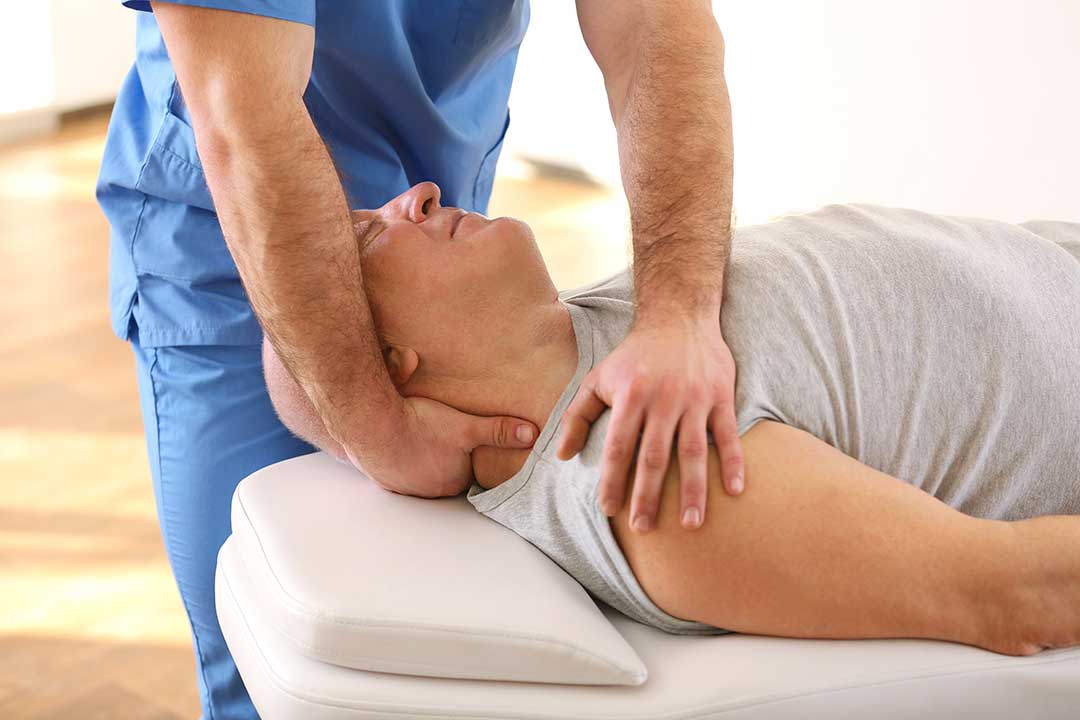
Can neck strengthening or warm-ups help?
A supervised strength and conditioning program may improve general athletic control, balance, and physical readiness. Some research suggests that stronger neck muscles may be associated with lower concussion risk, but the evidence is not definitive, and no exercise program can guarantee protection.
Neck exercises should be age-appropriate and taught with proper technique. Athletes should not perform forceful neck movements, use heavy resistance, or copy internet routines without qualified instruction. A well-designed warm-up may also help athletes prepare for rapid movement, balance demands, and sport-specific skills.
Neuromuscular warm-ups commonly include controlled movements such as jogging, balance work, squats, lunges, jumping mechanics, and changes of direction. These activities may help reduce several types of sports injuries, even though their exact effect on concussion prevention varies by sport and program.
What should athletes and parents know before the season?
Preparation can reduce confusion when an injury occurs. Before practices begin, families should know:
- Who is responsible for evaluating a suspected concussion
- How the team handles removal from play
- Which adults are trained to recognize warning signs
- How parents will be notified
- What the return-to-school and return-to-sport process involves
- Whether the athlete has a history of concussion or other relevant medical concerns
Athletes should be encouraged to report symptoms honestly. Common signs include headache, dizziness, blurred vision, balance problems, nausea, sensitivity to light or noise, slowed thinking, difficulty concentrating, unusual irritability, and changes in sleep.
Children and teenagers may not describe symptoms clearly. A parent may instead notice that the athlete seems unusually quiet, forgetful, emotional, clumsy, or confused.
What should happen after a possible concussion?
An athlete with possible concussion symptoms should be removed from play immediately and should not return the same day unless evaluated and cleared according to applicable medical guidance. Continuing to play can increase the risk of another injury while the brain is still recovering.
The athlete should be assessed by a healthcare provider experienced in concussion evaluation. A chiropractor may help address certain musculoskeletal concerns after appropriate medical assessment, but chiropractic care should not replace concussion evaluation, emergency care, or formal return-to-play guidance.
Emergency evaluation is needed for danger signs such as worsening headache, repeated vomiting, seizure, increasing confusion, unusual behavior, weakness or numbness, slurred speech, unequal pupils, loss of consciousness, or difficulty waking the athlete. These signs may indicate a more serious brain injury.
How does a safe return to sports work?
Returning to sports should be gradual and medically guided. The athlete should first return to ordinary daily activities and school responsibilities as tolerated. Once cleared, a stepwise progression typically moves from light activity to sport-specific exercise, non-contact practice, full-contact practice, and finally competition.
Each stage should be completed without the return of symptoms before advancing. If symptoms come back, the athlete should stop, rest as directed, and discuss the setback with the healthcare provider overseeing recovery.
A safe sports culture recognizes that sitting out after a head injury is a protective decision, not a sign of weakness. Clear communication among athletes, parents, coaches, schools, and healthcare professionals gives young players the best chance of recovering fully and returning to activity safely.
