

What does “subluxation” mean?
In chiropractic conversations, “subluxation” may refer to altered movement or function in a spinal joint. The term can also have a different medical meaning: a partial loss of normal joint alignment that may be visible on imaging. These two uses are related but not identical.
A true anatomical subluxation is a structural problem in which a joint is partly displaced. It can occur after a fall, collision, sports injury, or other significant force. In contrast, chiropractors may use the term to describe a joint that is stiff, moving unevenly, or affecting nearby muscles and nerves without being visibly dislocated.
That distinction matters because back or neck pain does not automatically mean a vertebra is “out of place.” The spine naturally moves, curves, and adapts throughout the day. Most discomfort is not caused by a bone dramatically shifting position.
Why does a subluxation matter?
A suspected joint or spinal problem matters because it may affect movement, comfort, muscle tension, and daily function. A person may notice pain when turning, bending, lifting, sitting, or getting out of bed. Some people also experience stiffness, reduced range of motion, or protective muscle spasms.
In a community where many residents commute, work at desks, manage household tasks, or spend time driving, repeated positions can contribute to temporary stiffness. Seasonal activities such as clearing snow, carrying wet clothing, or moving outdoor equipment may also place sudden demands on the back and shoulders.
However, the word “subluxation” should not be used as a substitute for a complete evaluation. Similar symptoms can come from strained muscles, irritated joints, disc problems, arthritis, nerve compression, fractures, infection, or other conditions. The underlying cause is more important than the label alone.
Is a subluxation the same as a dislocation?
No. A dislocation means a joint has moved completely out of its normal position. A subluxation is a partial displacement. Both are structural injuries and may require prompt medical assessment, especially after trauma.
In everyday chiropractic language, however, “subluxation” is sometimes used more broadly to describe a functional movement problem rather than a joint that is visibly displaced. Asking what the term means in a particular examination can prevent confusion.
Useful questions include:
- Is this a structural finding, a movement-related finding, or both?
- Was the finding confirmed with imaging, or based on a physical examination?
- What symptoms are expected from it?
- Are there other possible explanations for the pain?
- What activities should be limited temporarily?
Clear explanations are part of safe care.
What symptoms can be associated with a spinal joint problem?
Symptoms depend on the location and cause. Common complaints may include:
- Localized back or neck pain
- Stiffness after sleeping or sitting
- Pain with bending, reaching, or rotation
- Muscle tightness or spasms
- Reduced range of motion
- Aching that spreads into the shoulder, buttock, or limb
Pain that travels down an arm or leg may indicate irritation of a nerve rather than a simple joint restriction. Numbness, tingling, weakness, changes in coordination, or difficulty walking deserve particular attention.
Symptoms can also fluctuate. A person may feel better after gentle movement and worse after prolonged sitting, lifting, or an awkward sleeping position. Improvement or worsening does not, by itself, prove that a vertebra has moved in or out of place.
How is a suspected subluxation evaluated?
A careful evaluation usually begins with a health history and physical examination. The clinician may ask about the onset of symptoms, recent injuries, work and activity demands, previous episodes, medications, and conditions such as osteoporosis or inflammatory arthritis.
The examination may assess:
- Spinal and joint movement
- Muscle tenderness and tension
- Strength, sensation, and reflexes
- Balance and walking
- Signs of nerve irritation
- Whether certain movements reproduce symptoms
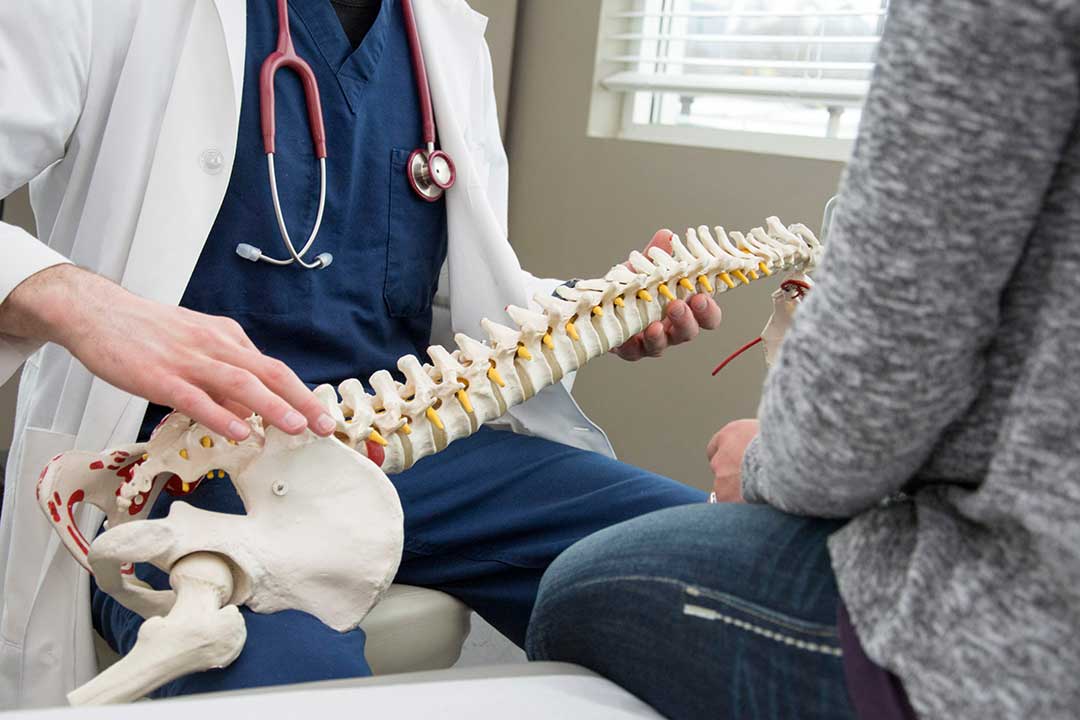
Imaging is not necessary for every episode of back or neck pain. It may be considered when there has been significant trauma, persistent or worsening symptoms, suspected fracture, neurological changes, or concern about another underlying condition.
An X-ray can show bones and alignment, but it does not explain every source of pain. Muscles, ligaments, discs, nerves, sleep habits, stress, and activity patterns may also contribute.
What does an adjustment do?
A spinal adjustment, also called spinal manipulation, uses a controlled force to move a joint. The intended goals may include improving short-term movement, reducing joint stiffness, and helping a person return to normal activity.
An adjustment does not permanently “put the spine back into place” in the way a dislocated shoulder is reduced. The spine is not a stack of loose blocks that repeatedly slips out of alignment during ordinary daily activities.
People may experience temporary soreness, stiffness, or fatigue after manipulation. These effects are usually short-lived, but severe or unusual symptoms should not be ignored. Neck manipulation requires especially careful screening because serious complications, although uncommon, have been reported.
Treatment should be based on the person’s symptoms, examination findings, health history, and preferences—not solely on the presence of a clicking sound or a label such as “misalignment.”
When should a person seek urgent medical attention?
Back or neck pain requires prompt medical evaluation when it follows a major fall, collision, or other forceful injury. Urgent attention is also appropriate for:
- New or worsening weakness
- Loss of bladder or bowel control
- Numbness in the groin or inner thighs
- Severe difficulty walking or maintaining balance
- Fever with significant spinal pain
- Unexplained weight loss or a history of cancer
- Severe pain that does not improve with rest
- New neurological symptoms after neck manipulation
People with known osteoporosis, inflammatory joint disease, cancer, infection, recent surgery, or blood-clotting problems should disclose those conditions before any hands-on spinal treatment.
What can residents do for ordinary stiffness?
For uncomplicated, mild stiffness, gentle movement is often more useful than prolonged bed rest. Short walks, comfortable range-of-motion exercises, gradual return to normal activity, and changing position regularly may help.
During snow or storm cleanup, avoid twisting while lifting. Keep loads close to the body, divide heavy items into smaller amounts, and take breaks before fatigue changes lifting technique. At home, a supportive work setup and regular movement can reduce the strain associated with long periods of sitting.
Persistent, recurrent, or unexplained symptoms deserve an individualized assessment. The practical goal is not simply to “correct alignment,” but to understand the cause, protect against avoidable harm, and restore comfortable function.
