

What does “subluxation” mean?
A subluxation is a partial loss of normal alignment or movement at a joint. The term can describe different problems depending on the setting.
In general medicine, a subluxation usually means that the surfaces of a joint have shifted partly out of their usual position without becoming completely dislocated. This can happen at the shoulder, kneecap, elbow, hip, or other joints, often after a fall, collision, sudden twist, or sports injury.
In chiropractic care, “spinal subluxation” is used differently. It commonly refers to an area of the spine where movement, alignment, or surrounding tissues appear to be functioning abnormally. It does not necessarily mean that a vertebra has dramatically slipped out of place. A person may have pain, stiffness, reduced movement, muscle tenderness, or changes in posture without having a true dislocation.
Understanding which meaning is being used helps prevent confusion.
Is a spinal subluxation the same as a dislocation?
No. A dislocation means that the bones forming a joint have been forced completely out of position. A subluxation is generally partial or incomplete.
A true spinal dislocation is uncommon and usually involves significant trauma, such as a serious motor-vehicle crash or major fall. It can damage the spinal cord or nearby nerves and requires emergency medical evaluation.
The chiropractic use of “subluxation” usually describes a functional problem involving a spinal motion segment rather than a visibly displaced bone. The phrase may refer to restricted movement, altered joint mechanics, muscle guarding, tenderness, or asymmetry found during an examination.
Because the same word is used in different ways, it is reasonable to ask what specific finding is being described, which spinal region is involved, and how that finding relates to symptoms or function.
Why might a subluxation matter?
A joint or spinal segment that is painful or not moving normally can affect everyday activities. Turning the head, getting out of a chair, lifting a child, carrying groceries, working at a computer, or sleeping comfortably may become more difficult.
Symptoms can include:
- Localized pain or tenderness
- Stiffness or reduced range of motion
- Muscle tightness or protective spasm
- Pain that worsens with certain positions or movements
- Aching that spreads into the shoulder, hip, or nearby muscles
The finding matters most when it is connected to a person’s symptoms, physical function, and medical history. An alignment finding on its own does not automatically explain pain, and not every painful area is caused by a subluxation.
Pain can also result from muscle strain, ligament injury, arthritis, disc irritation, nerve compression, osteoporosis, infection, or other conditions. A careful assessment should consider these possibilities rather than assuming that every symptom comes from a spinal joint.
How is a suspected problem evaluated?
Evaluation usually begins with questions about when symptoms started, what caused them, what movements make them better or worse, and whether pain travels into an arm or leg. A physical examination may assess posture, tenderness, muscle tone, strength, sensation, reflexes, walking, and the movement of the involved region.
Imaging is not automatically necessary for ordinary back or neck pain. It may be considered when there has been significant trauma, persistent or worsening symptoms, suspected fracture, neurological changes, or concern about a condition that cannot be assessed adequately through examination.
An X-ray can show bones and certain alignment patterns. MRI provides more information about discs, nerves, the spinal cord, ligaments, and other soft tissues. These tests should be selected based on the clinical question rather than used routinely without a clear reason.
A useful evaluation should identify:
- The region involved
- The symptoms being addressed
- Any measurable movement or neurological changes
- Factors that could make manipulation unsafe
- Whether additional medical assessment is needed
What treatments may be considered?
Treatment depends on the cause and severity of the problem. For uncomplicated mechanical neck or back pain, care may include temporary activity modification, gentle movement, heat or cold, therapeutic exercise, manual techniques, and education about lifting, posture, and gradual return to normal activities.
Spinal manipulation is one form of manual treatment. It may help some people with certain types of back or neck pain, but it is not appropriate for every person or every diagnosis. It should not be presented as a way to treat unrelated diseases or as a guarantee that the spine will remain permanently “in alignment.”
Exercise and movement are often part of recovery because strength, coordination, balance, and confidence can help reduce recurrence. Prolonged bed rest is generally not helpful for routine mechanical back pain unless a medical condition requires otherwise.
For a shoulder, kneecap, or other joint subluxation caused by an injury, treatment may involve immobilization, rehabilitation, or urgent reduction by a medical team. Trying to force an injured joint back into place at home can worsen damage to bone, blood vessels, nerves, or ligaments.
Are there situations when manipulation should be avoided?
Yes. Manual treatment requires caution when a person may have a fracture, severe instability, infection, cancer affecting bone, significant osteoporosis, recent major trauma, or a neurological disorder. Certain medications and health conditions can also affect risk.
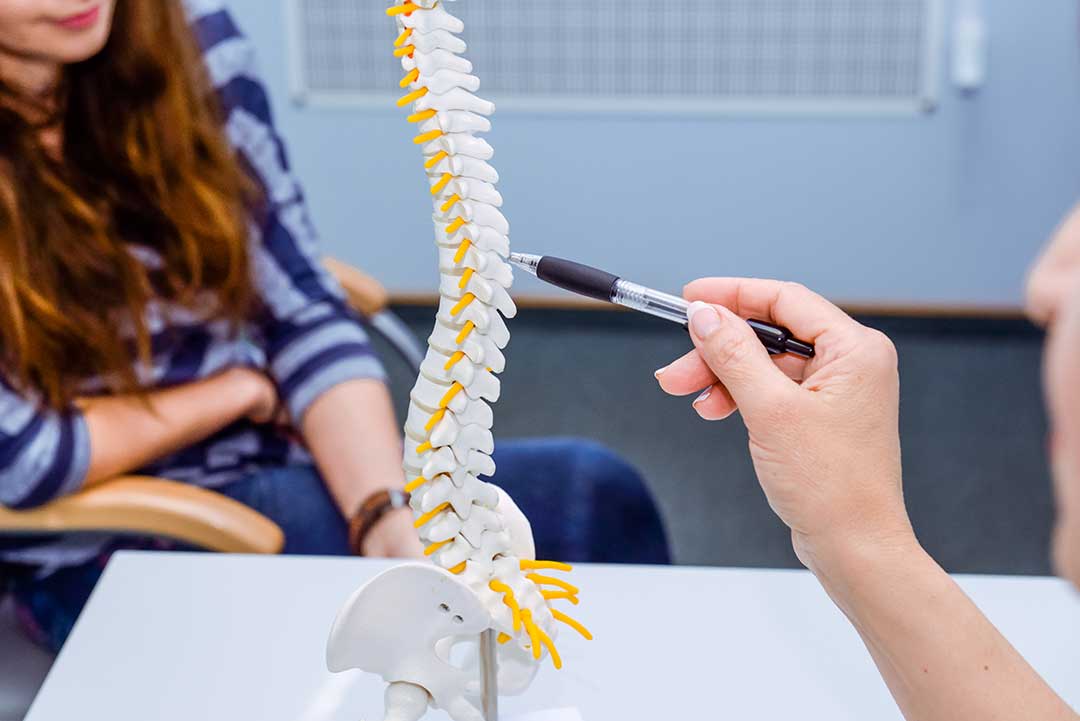
A person should disclose recent falls, surgeries, blood-thinning medication, inflammatory disease, bone-density concerns, and previous episodes of numbness or weakness before treatment is considered.
The goal should be appropriate care for the actual condition, not repeated treatment simply because a structural term appears in a record.
When should symptoms be treated as urgent?
Seek prompt medical evaluation after a serious injury, visible deformity, inability to use an arm or leg, or severe pain that began suddenly.
Emergency assessment is especially important for:
- New loss of bladder or bowel control
- Numbness in the groin or inner thighs
- Progressive weakness in an arm or leg
- Trouble walking, severe loss of balance, or unusual coordination
- Severe neck or back pain after a crash or fall
- Fever, unexplained weight loss, or a history of cancer with new spinal pain
- A cold, pale, blue, or pulseless limb after a joint injury
Seasonal conditions can add practical risks for local households. Wet leaves, icy sidewalks, and hurried movement during winter weather can contribute to falls, while long periods of sitting during commuting or home-based work may aggravate stiffness. Prevention includes adequate lighting, secure footwear, clear walkways, sensible lifting, and regular position changes during desk work.
What questions can help clarify a diagnosis?
If the word “subluxation” appears in an examination or discussion, useful questions include:
- Is this a partial joint dislocation or a chiropractic description of altered spinal function?
- Which joint or spinal level is involved?
- What examination findings support the conclusion?
- Is imaging needed, and what question would it answer?
- What improvement should be expected?
- How will progress be measured?
- What symptoms would require a different type of medical evaluation?
A subluxation can matter when it reflects a genuine injury or a painful movement problem that limits function. It should be interpreted in context, with attention to symptoms, examination findings, safety, and the possibility of other causes.
