
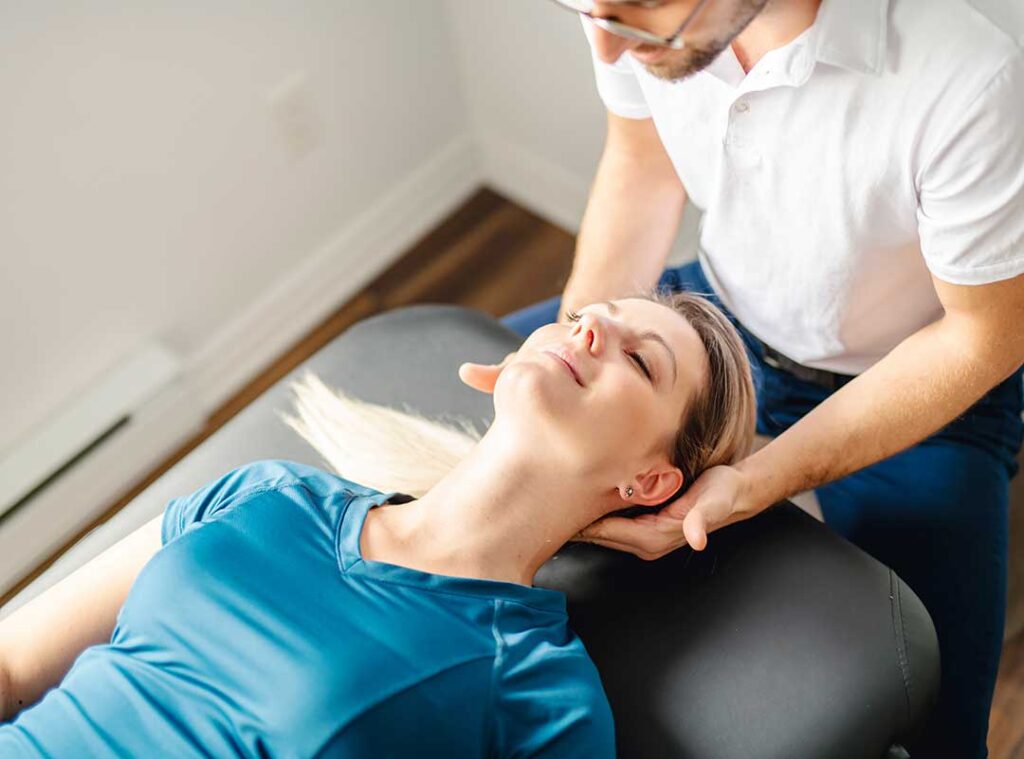
Sports injuries range from mild muscle strains to significant ligament, tendon, joint, or bone damage. Chiropractic care may help some people manage pain, restore movement, and rebuild confidence during recovery, particularly when treatment focuses on the broader musculoskeletal system rather than adjustment alone.
For residents of Lynbrook, NY, this may apply to recreational runners, school athletes, cyclists, gym users, weekend players, and people whose sports activities increase during warmer months. The appropriate care depends on the injury, its severity, the person’s health history, and whether another type of medical evaluation is needed first.
What types of sports injuries may benefit from chiropractic care?
Chiropractic care is most relevant to injuries involving muscles, joints, connective tissue, and movement patterns. Examples may include:
- Low-back pain after lifting, twisting, running, or contact
- Neck and upper-back stiffness after a collision or fall
- Minor ankle, knee, hip, or shoulder strains
- Muscle tightness and movement restrictions
- Repetitive-use discomfort involving the back, hips, or limbs
- Pain that continues after the initial swelling or soreness has settled
A chiropractor may evaluate how a joint moves, how surrounding muscles function, and whether changes in posture or movement are contributing to symptoms. This assessment can help distinguish a simple mobility problem from an injury requiring imaging, urgent medical care, or a different rehabilitation approach.
Chiropractic care is not a substitute for treatment of a fracture, major ligament tear, dislocation, severe tendon injury, or serious head or spinal injury.
How can chiropractic treatment support recovery?
The potential benefit usually comes from a combination of hands-on care, activity guidance, and progressive exercise. Treatment may include gentle joint mobilization, soft-tissue techniques, stretching, strengthening, balance work, and advice about modifying activity.
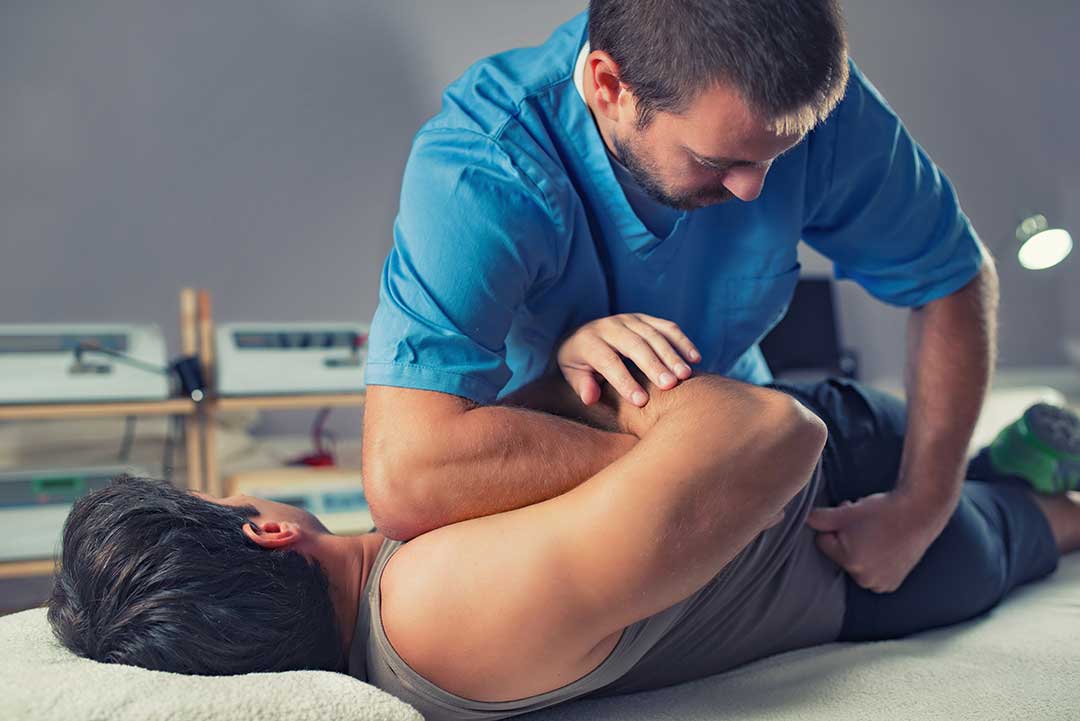
Spinal manipulation is one technique used in chiropractic care. It involves a controlled force applied to a joint, while mobilization uses slower or gentler movement within a joint’s normal range. Research supports spinal manipulation as one possible non-drug option for some types of acute or persistent low-back pain, with generally modest improvements in pain and function.
For a sports injury, the goal is not simply to make a joint “move better.” A useful rehabilitation plan should also address:
- Strength and endurance
- Balance and coordination
- Flexibility where appropriate
- Tolerance for running, jumping, lifting, or throwing
- Confidence with the injured movement
- Gradual return to the demands of the sport
Pain relief can make movement easier, but reducing pain does not necessarily mean that damaged tissue has fully healed. Athletes should avoid using temporary symptom improvement as permission to immediately resume full-intensity activity.
Can chiropractic care help with a sprained ankle?
It may play a supporting role after a sprained ankle has been assessed and serious injury has been ruled out. Early care often emphasizes protection, appropriate movement, swelling management, and gradual weight-bearing. Later rehabilitation may include ankle mobility, calf strength, single-leg balance, and sport-specific drills.
A person who cannot bear weight, has marked deformity, rapidly increasing swelling, severe bruising, numbness, or pain directly over a bone may need prompt medical assessment. These signs can indicate a fracture or a more substantial injury.
Ankle recovery also deserves attention because returning to sports before balance and strength have recovered can increase the likelihood of another sprain. This matters for people exercising on uneven sidewalks, outdoor courts, grass fields, or other variable surfaces in the local community.
What about back, neck, and shoulder injuries?
Back pain after sports may result from muscle overload, altered movement, joint irritation, or a disc-related problem. Chiropractic care may help some people improve mobility and function, especially when combined with a structured exercise program and sensible activity modification.
Neck injuries require more caution. Pain after a collision, fall, or sudden force should be evaluated carefully, particularly if there is arm weakness, numbness, severe headache, dizziness, vision changes, or unusual clumsiness. Forceful neck manipulation is not appropriate for every person, and patients should disclose recent trauma, medical conditions, medications, and neurological symptoms before treatment.
Shoulder problems can involve the rotator cuff, labrum, joint capsule, or surrounding muscles. Hands-on treatment may help restore movement in selected cases, but persistent weakness, repeated dislocation, significant loss of motion, or pain after a direct impact may require orthopedic or sports-medicine evaluation.
Is chiropractic care appropriate after a concussion?
Chiropractic treatment should not be used to clear an athlete to return to play after a suspected concussion. Symptoms can include headache, dizziness, nausea, light or noise sensitivity, balance problems, fatigue, confusion, memory difficulty, mood changes, or sleep disruption. Some symptoms may appear hours or days after the injury.
An athlete with a possible concussion should be removed from play and assessed by an appropriately trained healthcare provider. Return to sports should occur gradually, with each step separated by at least 24 hours and with medical approval. If symptoms return during progression, activity should stop and the athlete should move back to an earlier stage after further guidance.
Emergency evaluation is warranted for danger signs such as worsening headache, repeated vomiting, seizure, increasing confusion, unusual behavior, weakness, slurred speech, unequal pupils, or difficulty waking.
Can chiropractic care prevent future sports injuries?
No treatment can guarantee injury prevention. Chiropractic care may contribute to risk reduction when it is part of a broader program that includes strength training, warm-up, recovery, appropriate footwear or equipment, technique instruction, and gradual increases in training volume.
Many injuries occur when activity rises too quickly. This can happen when outdoor sports resume in spring, when a person begins a new exercise routine, or when weekend activity becomes much more intense than weekday conditioning. Sudden increases in mileage, lifting weight, practice time, or competition frequency can overload tissues before they adapt.
A prevention-focused plan should consider sleep, nutrition, previous injuries, work demands, and the surfaces used for training. Household and commuting habits can matter as well; long periods of sitting, limited winter activity, and abrupt transitions to outdoor exercise may influence stiffness and conditioning.
What should someone expect during an evaluation?
A careful evaluation generally includes questions about how the injury occurred, when symptoms began, what movements make them better or worse, and whether there are neurological or systemic symptoms. The examination may assess strength, range of motion, reflexes, balance, gait, and sport-specific movement.
Imaging is not necessary for every injury, but it may be appropriate when there is concern about a fracture, dislocation, significant tissue damage, or symptoms that do not follow a normal recovery pattern. A responsible plan should include measurable goals and clear instructions about which activities to avoid, which movements are acceptable, and when reassessment is needed.
When is another type of medical care needed?
Prompt medical evaluation is appropriate for severe pain, major swelling, deformity, inability to bear weight, suspected fracture, progressive numbness or weakness, loss of bladder or bowel control, chest pain, shortness of breath, or symptoms after a significant head or neck impact.
Care should also be reconsidered when pain is worsening rather than improving, symptoms persist despite appropriate activity modification, or the athlete cannot regain normal strength and function. Chiropractic care may be one part of sports-injury rehabilitation, but the safest approach is coordinated care that matches the treatment to the actual injury.
