
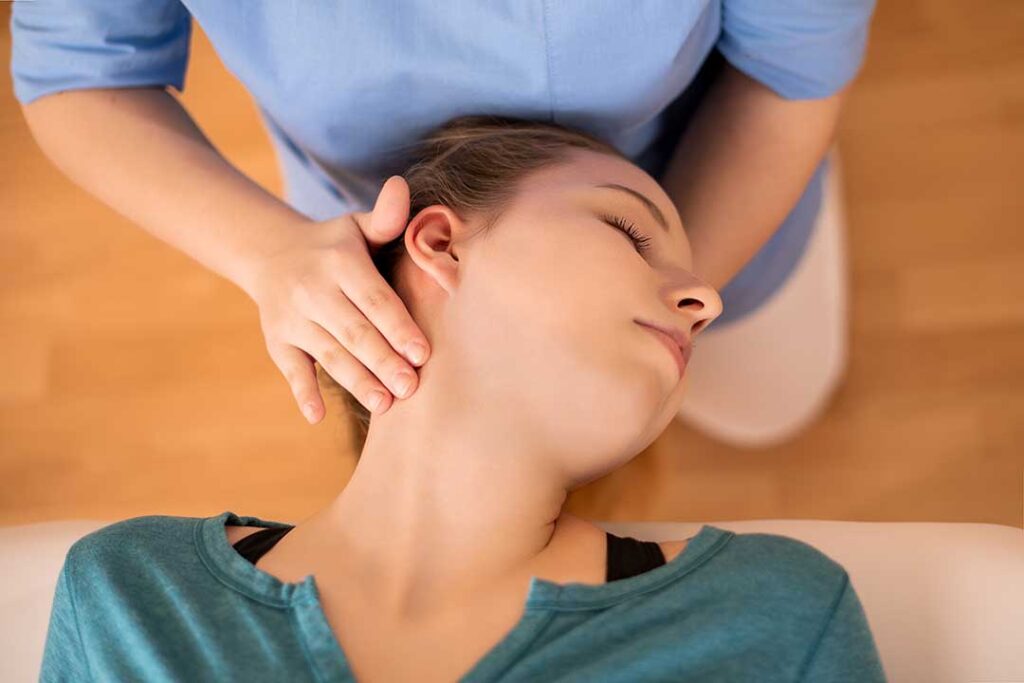
Scoliosis is a sideways curve of the spine that may also include rotation of the vertebrae. For residents in Lynbrook, NY, a common question is whether chiropractic care can straighten the spine, prevent a curve from worsening, or relieve related discomfort.
The short answer is that chiropractic treatment may help some people manage pain, stiffness, muscle tension, or movement limitations, but current evidence does not show that spinal adjustments correct scoliosis or reliably stop its progression. Scoliosis should be evaluated as a structural condition, with treatment based on age, curve size, symptoms, growth status, and the underlying cause.
What is scoliosis?
Scoliosis is more than a temporary posture problem. A person with scoliosis has a measurable spinal curve that may cause uneven shoulders, a prominent shoulder blade, an uneven waist, or one side of the ribs to appear higher when bending forward.
Some curves are mild and remain stable. Others progress, particularly during periods of rapid growth. In adults, scoliosis may be related to a curve that began during adolescence, age-related changes in the spine, osteoporosis, injury, or an underlying neurological or muscular condition.
A physical examination can raise suspicion, but imaging is generally needed to measure the curve accurately. The measurement, often called the Cobb angle, helps guide decisions about observation, bracing, exercise, or surgery.
Can chiropractic care straighten a curved spine?
No reliable evidence shows that chiropractic adjustments permanently straighten a structural scoliosis curve. An adjustment may temporarily change how the back feels or moves, but that is different from changing the shape of the vertebrae or reducing the measured curve.
This distinction matters because a person may experience less pain or improved mobility while the scoliosis itself remains unchanged. A reduction in muscle tension can feel significant, especially after prolonged sitting, standing, lifting, or physical activity, but symptom relief should not be described as correction of the curve.
Chiropractic care should not replace medically appropriate monitoring, bracing, rehabilitation, or surgical evaluation when those treatments are indicated.
What symptoms might chiropractic treatment help?
Some people with scoliosis develop secondary problems involving muscles, joints, or movement patterns. These may include:
- Localized back or neck discomfort
- Muscle tightness on one side of the spine
- Reduced flexibility
- Discomfort after sitting at a desk or driving
- Strain related to lifting, household work, or exercise
- Muscle fatigue from uneven loading
Care focused on gentle mobility, soft-tissue work, posture education, and individualized exercise may help reduce these symptoms for some patients. The potential benefit is usually symptom management rather than correction of the underlying curve.
Treatment should be adapted to the person’s age, bone health, medications, previous surgery, neurological symptoms, and curve characteristics. Forceful techniques may not be appropriate for everyone, particularly people with osteoporosis, spinal instability, inflammatory disease, recent trauma, or significant nerve symptoms.
Is chiropractic care appropriate for children and teenagers?
Children and teenagers with a suspected spinal curve should receive a proper evaluation before beginning any treatment intended to manage scoliosis. A growing child with a progressing curve may need periodic imaging and observation by a clinician familiar with spinal deformity.
For growing adolescents, treatment may include:
- Observation for smaller curves
- Bracing for selected moderate curves
- Scoliosis-specific exercise or physical therapy
- Surgical evaluation for severe or progressing curves
Chiropractic treatment may be considered for comfort or general movement concerns, but it should not be presented as a substitute for monitoring curve progression. A child who appears to be leaning, has uneven shoulders, or shows a rib prominence should not be diagnosed from posture alone.
What about adults with scoliosis?
Adults often seek care because of pain rather than because the curve itself is changing. Symptoms may be influenced by arthritis, disc degeneration, narrowed spaces around nerves, muscle fatigue, or reduced conditioning.
A conservative care plan may include strengthening, walking, flexibility work, ergonomic changes, and guidance on pacing activities. Chiropractic treatment may be one part of symptom management when it is safe and coordinated with the person’s broader care.
Adults should be especially cautious about assuming that new pain is simply “the scoliosis.” New or worsening symptoms can have other causes, including nerve compression or a separate spinal condition. Persistent pain, leg symptoms, or declining function deserves a clinical assessment.
When should someone seek medical evaluation first?
A person should seek prompt medical evaluation for scoliosis-related symptoms that include:
- Numbness, tingling, or weakness in an arm or leg
- Difficulty walking or problems with balance
- Loss of bladder or bowel control
- Severe pain after a fall or other injury
- Fever, unexplained weight loss, or unusual night pain
- Rapidly worsening posture or spinal asymmetry
- Shortness of breath associated with a severe spinal curve
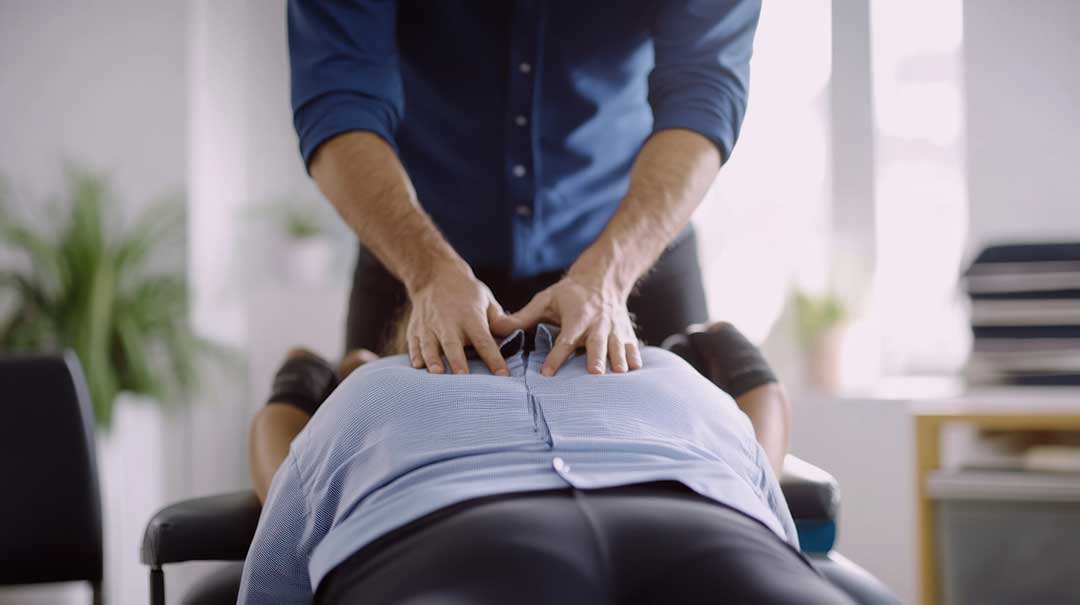
In children, rapid physical changes during growth deserve attention even when pain is absent. Scoliosis is often painless in adolescents, so waiting for discomfort is not a dependable way to monitor it.
How can local routines affect symptoms?
Daily habits can influence discomfort even though they do not cause or cure scoliosis. In a densely settled community such as Lynbrook, residents may spend substantial time commuting, working at a computer, carrying children or groceries, or managing household tasks in limited indoor space.
Seasonal conditions may also change activity patterns. Cold weather can reduce outdoor exercise, while snow or icy surfaces can increase fall risk and encourage guarded movement. Practical steps include using supportive footwear, carrying loads close to the body, alternating sides when carrying items, and taking brief movement breaks during extended sitting.
A mattress, chair, backpack, or work setup may affect comfort, but these items will not reshape the spine. Adjustments should be made for comfort and function rather than based on claims that a particular product can correct scoliosis.
What should a responsible treatment plan include?
A useful plan begins with a clear diagnosis and realistic goals. Questions worth asking include:
- Is the goal pain relief, improved movement, or curve control?
- Has the curve been measured with appropriate imaging?
- Is the person still growing?
- Are there signs of nerve involvement?
- What treatments have evidence for this age and curve pattern?
- How will progress be monitored?
Exercise may support strength, balance, breathing mechanics, and daily function. Scoliosis-specific physical therapy may be appropriate for some individuals, particularly when guided by someone experienced in spinal deformity. Bracing and surgery have specific roles for selected patients, especially when curves are progressing or severe.
The most accurate expectation is that chiropractic care may help manage certain musculoskeletal symptoms, but it has not been established as a method for correcting scoliosis. A coordinated, evidence-informed approach helps residents distinguish comfort-focused care from treatment intended to control the spinal curve itself.
