
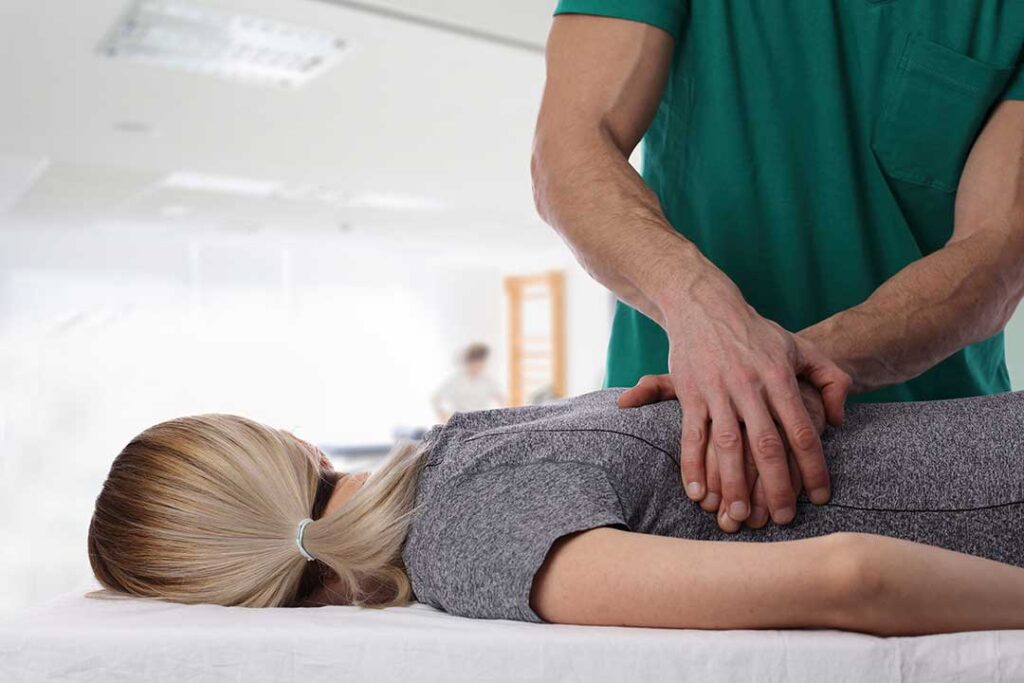
Pregnancy can bring back, hip, pelvic, and rib discomfort, leading many people to ask whether a chiropractic adjustment is safe. For some pregnant patients, gentle, pregnancy-adapted manual care may be reasonable, but it is not automatically appropriate for everyone.
The safest answer depends on the health of the pregnancy, the type of technique used, the area being treated, and communication between the patient’s obstetric care provider and the person providing manual treatment.
Is a chiropractic adjustment safe during pregnancy?
For a healthy pregnancy without complications, limited research suggests that carefully selected spinal or pelvic techniques may be used with a low likelihood of serious harm. However, research on safety is not strong enough to say that every adjustment, in every trimester, is safe for every patient.
A pregnancy changes posture, joint stability, blood circulation, balance, and tolerance for certain positions. An adjustment intended for a nonpregnant adult may not be appropriate during pregnancy. Treatment should be modified rather than performed as though nothing has changed.
A cautious approach generally includes:
- Reviewing the pregnancy history before treatment
- Asking about symptoms, medications, prior complications, and the expected due date
- Avoiding forceful or uncomfortable positioning
- Using side-lying, supported, or otherwise pregnancy-appropriate positions
- Stopping if pain, dizziness, nausea, cramping, or other concerning symptoms develop
- Coordinating with the obstetric care provider when medical risks are present
The available evidence also has limitations. Serious adverse events appear to be rare in the published literature, but many studies are small or do not describe treatment methods and side effects consistently. “Rarely reported” does not mean “impossible.”
Why does pregnancy cause back and pelvic pain?
Pregnancy-related pain often results from several changes happening at the same time. As the uterus grows, the body’s center of gravity shifts. The abdominal muscles stretch, posture changes, and the lower back and hips may carry more load.
Pregnancy hormones also make certain pelvic ligaments more flexible. This is a normal part of preparing the body for childbirth, but increased joint movement can contribute to discomfort around the low back, pelvis, buttocks, or pubic area.
Daily routines can add to the strain. Carrying groceries, lifting children, sitting for long periods, climbing stairs, or standing during a commute may become more difficult. In Lynbrook, NY, winter conditions can create an additional concern: icy sidewalks and hurried steps may increase the risk of slips, muscle strain, and sudden twisting.
Pain may also be affected by sleep position, footwear, work demands, and reduced physical activity. These factors should be considered before assuming the spine is the only source of symptoms.
What type of care is usually considered during pregnancy?
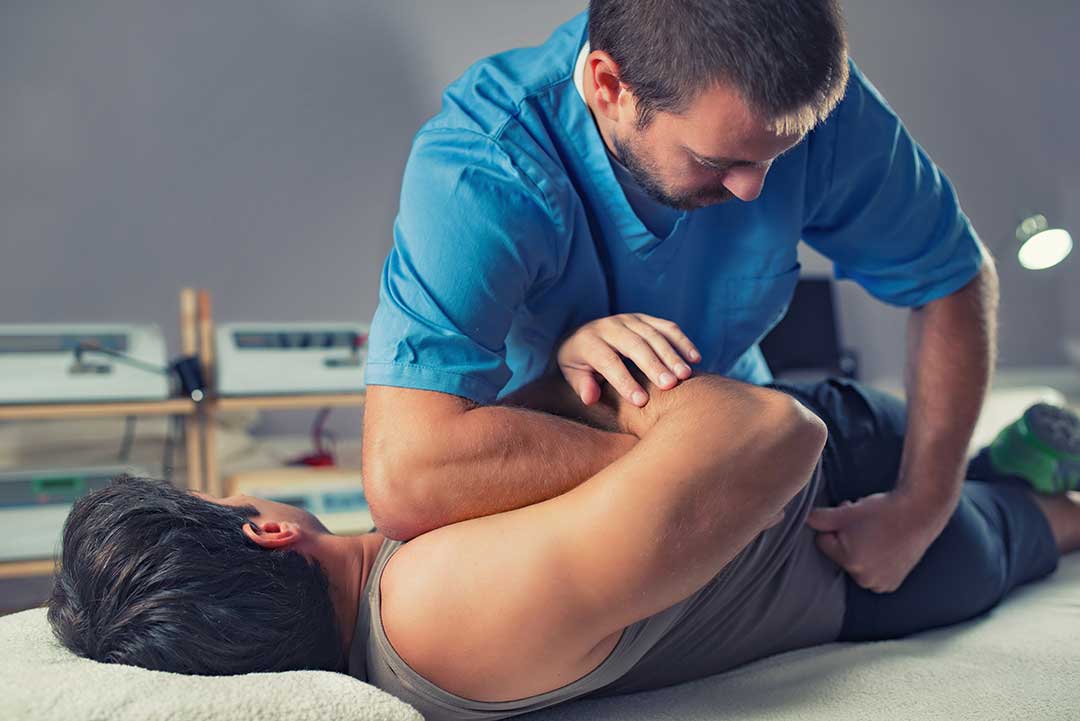
Pregnancy-adapted care is generally more conservative than routine treatment for a nonpregnant patient. Depending on the situation, it may involve gentle joint mobilization, soft-tissue work, posture guidance, movement instruction, or carefully selected low-force techniques.
A treatment plan should not rely on a standard sequence applied to everyone. The abdomen should not be compressed, and prolonged flat-on-the-back positioning may become uncomfortable or unsuitable later in pregnancy. Forceful twisting, high-impact maneuvers, or techniques that reproduce symptoms deserve particular caution.
Neck manipulation raises separate safety questions from low-back or pelvic care. Sudden neck movements have been associated with rare but serious blood-vessel complications in the general population, and the evidence specific to pregnancy is limited. A patient should be told what technique is being considered and why.
The goal should be improved comfort and function, not the claim that an adjustment can reposition the baby, prevent labor complications, or guarantee an easier delivery. Those claims are not supported by reliable evidence.
Should an obstetric care provider be consulted first?
Yes, especially if the pregnancy is considered high risk or symptoms are new, severe, or unusual. The obstetric care provider can help determine whether pain is likely musculoskeletal or whether it needs medical evaluation.
Extra caution is appropriate with conditions such as:
- Vaginal bleeding
- Placental problems
- Preeclampsia or uncontrolled high blood pressure
- Preterm labor concerns
- Significant abdominal or pelvic pain
- Severe anemia or a bleeding disorder
- A history of pregnancy complications
- Multiple pregnancy or other high-risk circumstances
- Fever, infection symptoms, or unexplained illness
A consultation is also sensible if there has been a recent fall, car crash, or other injury. Manual treatment should not delay evaluation of a possible fracture, nerve problem, infection, or pregnancy-related emergency.
When is back pain during pregnancy a warning sign?
Back pain should not automatically be treated as a mechanical problem. Seek prompt medical guidance for severe pain, rapidly worsening symptoms, or pain accompanied by:
- Vaginal bleeding or fluid leakage
- Regular tightening or contractions
- Fever or chills
- Burning or pain with urination
- New weakness, numbness, or loss of bladder or bowel control
- Severe headache, vision changes, sudden swelling, or upper-abdominal pain
- Reduced fetal movement later in pregnancy, when movement patterns are established
Back pain that lasts more than a short period or interferes with walking, sleeping, or basic activities also deserves assessment. Pregnancy can make ordinary strains more noticeable, but it can also change how serious conditions appear.
What alternatives may help with pregnancy-related discomfort?
Many people can reduce discomfort without spinal manipulation. Options may include walking, pregnancy-appropriate strengthening, water exercise, gentle mobility work, supportive footwear, and changes to sitting or sleeping positions.
A pillow between the knees and another supporting the abdomen may make side sleeping easier. When lifting, bending the knees and keeping objects close to the body can reduce strain. Heat or cold may help some muscle pain when used briefly and at a safe temperature.
A physical therapist with experience in pregnancy may address posture, pelvic support, movement patterns, and abdominal or pelvic-floor concerns. These approaches may be especially useful when pain is persistent or when movement has become limited.
No exercise or manual treatment should cause significant pain, dizziness, bleeding, contractions, or other concerning symptoms. If it does, stop and seek medical advice.
What questions should a pregnant patient ask before an adjustment?
Before treatment, it is reasonable to ask:
- Have you treated pregnant patients with similar symptoms?
- How will the technique and positioning be changed for pregnancy?
- Will the abdomen be protected from pressure?
- What symptoms would mean treatment should stop?
- Are there reasons to coordinate with my obstetric care provider?
- What non-manual options could be tried first?
- What is known—and not known—about the expected benefit?
A careful answer should acknowledge uncertainty rather than promise that treatment is risk-free. Pregnancy-related pain is common, but the safest plan is individualized and medically informed.
For residents of Lynbrook, practical details matter as well: long periods in the car, carrying household items, uneven or slippery walking surfaces, and reduced activity during colder months can all influence symptoms. Addressing those daily factors may be as valuable as any hands-on technique.
