

Carpal tunnel syndrome causes pressure on the median nerve as it passes through a narrow space in the wrist. This can lead to tingling, numbness, burning, aching, or weakness in the thumb, index finger, middle finger, and part of the ring finger. Symptoms often become more noticeable at night, while driving, or during activities that keep the wrist bent.
For residents of Lynbrook, NY, symptoms may appear during ordinary routines such as computer work, household repairs, gardening, food preparation, carrying bags, or prolonged phone use. Natural care can reduce irritation for some people, especially when symptoms are mild or recent, but persistent numbness or weakness should not be ignored.
What can be done at home first?
The most useful first steps are keeping the wrist neutral, reducing positions that trigger symptoms, and allowing irritated tissues to settle. These measures do not “cure” every case, but they may decrease pressure on the median nerve.
A neutral wrist position means the hand is in line with the forearm rather than bent sharply upward or downward. Try these adjustments:
- Avoid sleeping with the wrists curled under the body or tucked beneath a pillow.
- Keep the wrist straight while using a mouse, keyboard, cooking utensil, or hand tool.
- Take short breaks during repetitive tasks instead of waiting until pain or tingling becomes intense.
- Hold frequently used objects with a relaxed grip.
- Change hand positions during long periods of reading, driving, crafting, or phone use.
- Use both hands for heavier household items when possible.
A night wrist splint can help hold the wrist in a neutral position. It should feel supportive rather than tight. Numbness, color change, increased swelling, or worsening pain may mean the splint is too restrictive or poorly fitted.
Can gentle exercises help carpal tunnel symptoms?
Gentle movement may help maintain flexibility and reduce stiffness, but exercises should not cause sharp pain, increased tingling, or lingering symptoms. More force is not better, and aggressive stretching can irritate an already sensitive nerve.
A simple median nerve glide can be performed slowly:
1. Begin with the elbow bent and the hand in a relaxed fist, with the thumb outside the fingers.
2. Slowly straighten the fingers.
3. Gently extend the wrist backward.
4. Move the thumb away from the palm.
5. Turn the forearm so the palm faces upward.
6. Hold each position briefly, without forcing the stretch.
Perform only a few gentle repetitions at first. Stop if symptoms intensify. Some people also find it comfortable to warm the hand briefly before movement and use a cool pack afterward if mild swelling develops. A cold pack should be wrapped in cloth and used for a limited period rather than placed directly on the skin.
How should work and household activities be modified?
Activity changes are often more helpful than complete rest. The goal is to reduce prolonged pressure and awkward wrist angles while maintaining normal use.
For desk work, keep the keyboard and mouse close enough that the elbows can stay near the body. The forearms should be supported when practical, but the wrist should not rest forcefully against a hard edge. A large amount of typing alone has not been proven to cause carpal tunnel syndrome, although prolonged wrist bending, gripping, or repetitive work can aggravate symptoms that already exist.
During home maintenance, gardening, or seasonal outdoor tasks, alternate hands when safe, use tools with comfortable handles, and avoid squeezing handles continuously. Cold weather can make hands feel stiffer and may encourage forceful gripping, so warming the hands and taking indoor breaks can be useful during winter chores.
If driving causes tingling, relax the grip on the steering wheel and change hand position periodically. Keeping the wrist straight is generally preferable to resting the hand in a sharply bent position.
Do massage, chiropractic care, or supplements help?
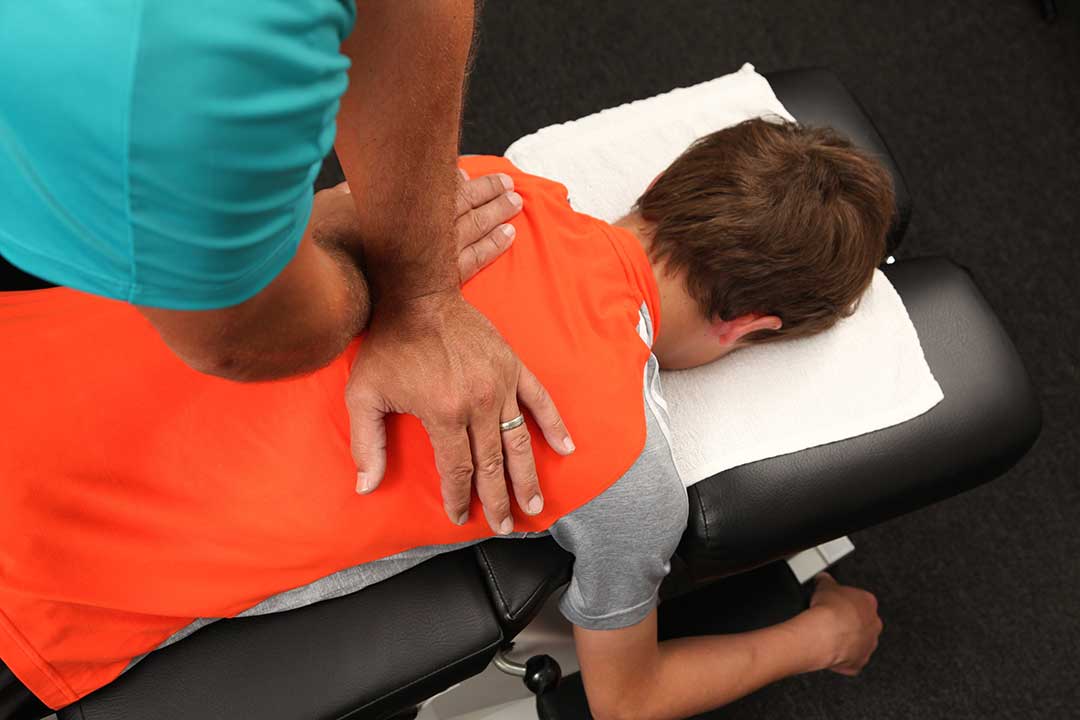
Gentle massage of the forearm and hand may feel soothing when muscle tension is contributing to discomfort, but it should not involve forceful pressure directly over the carpal tunnel. Manual treatments, including chiropractic or other hands-on approaches, may address contributing stiffness in the neck, shoulder, elbow, or wrist, but evidence for lasting relief from carpal tunnel syndrome itself is limited and varies by individual.
Supplements and “natural nerve cures” should be approached cautiously. There is no reliable evidence that a particular vitamin, oil, detox program, or herbal product reverses compression of the median nerve. Some supplements can interact with medicines or create problems for people with kidney, liver, bleeding, or pregnancy-related concerns.
Anti-inflammatory medicines may help certain types of pain, but they are not appropriate for everyone and do not remove the underlying pressure on the nerve. Anyone considering medication should review personal risks, existing conditions, and other medicines with a qualified healthcare professional.
How can someone tell carpal tunnel syndrome from another problem?
Carpal tunnel syndrome usually affects the thumb, index finger, middle finger, and thumb-side portion of the ring finger. The little finger is generally not affected. Symptoms that begin in the neck and travel down the arm may indicate irritation of a nerve farther up the arm or near the spine. Pain centered at the elbow, arthritis, tendon problems, diabetes-related nerve changes, and other conditions can also resemble carpal tunnel syndrome.
A simple home check cannot confirm the diagnosis. Repeatedly bending the wrist or tapping forcefully over the nerve may provoke symptoms but does not prove the cause.
When should medical evaluation be considered?
Evaluation is especially appropriate when numbness lasts during the day, symptoms regularly disturb sleep, or home measures have not helped after several weeks. Seek prompt medical attention for:
- Increasing hand weakness or dropping objects
- Visible thinning of the muscles at the base of the thumb
- Constant numbness rather than occasional tingling
- Severe swelling, color change, or unusual temperature in the hand
- Symptoms after a significant injury
- Sudden arm weakness, facial drooping, confusion, or difficulty speaking
Long-standing nerve compression can lead to lasting weakness or muscle loss. Testing may include a physical examination and, when needed, nerve studies or other assessments to distinguish carpal tunnel syndrome from conditions affecting the neck, elbow, or broader nervous system.
Natural care is most reasonable as an early, cautious approach for mild symptoms. Neutral wrist positioning, nighttime support, thoughtful activity changes, and gentle movement can reduce irritation, while progressive numbness or weakness requires a more complete evaluation.
