
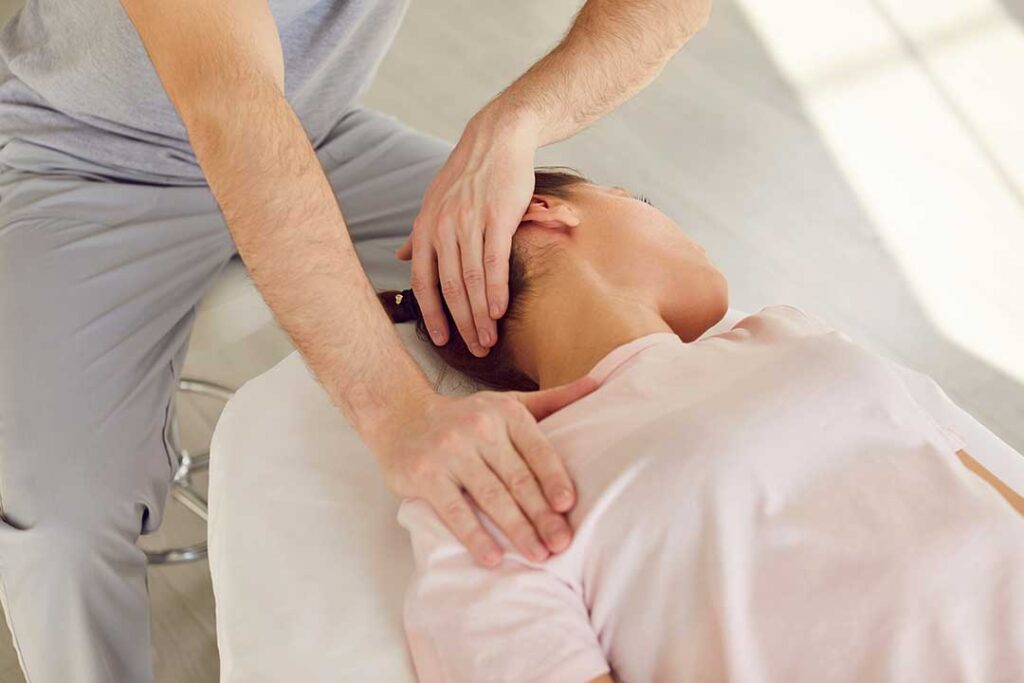
What can naturally improve mobility?
Mobility often improves through consistent movement, strength, balance, sleep, and attention to everyday habits. Natural approaches do not require intense workouts or complicated equipment; they work best when practiced regularly and adjusted to a person’s current abilities.
Mobility means more than flexibility. It includes the ability to move a joint through a useful range, control the body during movement, and perform daily activities such as walking, reaching, turning, standing, and climbing stairs.
For local residents, mobility routines may need to fit around commuting, household responsibilities, smaller living spaces, and seasonal conditions that make outdoor walking less appealing. A practical plan should be safe enough to continue throughout the year.
Which daily movements help joints stay mobile?
Frequent, comfortable movement is usually more helpful than occasional strenuous exercise. Long periods of sitting can make the hips, back, shoulders, and ankles feel stiff, even when there is no serious injury.
Useful daily movements include:
- Gentle neck turns within a pain-free range
- Shoulder rolls and controlled arm circles
- Standing up and sitting down from a sturdy chair
- Ankle circles and heel raises
- Slow hip hinges, using a countertop for support if needed
- Short walks at a comfortable pace
- Light stretching after the body has warmed up
A few minutes of movement every hour can be more manageable than trying to complete one long routine at the end of the day. People who work at a desk, drive frequently, or spend much of the day seated may benefit from setting reminders to change position.
Movement should feel controlled rather than forced. Mild pulling or muscular effort can be normal, but sharp pain, sudden weakness, or symptoms that travel down an arm or leg should not be pushed through.
How do strength exercises support mobility?
Strength and mobility are closely connected. Stronger muscles help stabilize joints and make everyday movement more efficient. Without adequate strength, a person may avoid certain positions, which can gradually reduce confidence and range of motion.
Simple exercises can be performed at home with little or no equipment:
- Sit-to-stand repetitions from a firm chair
- Wall push-ups
- Step-ups on a secure, low step
- Supported calf raises
- Glute bridges on a stable surface
- Light resistance-band rows
- Standing balance near a counter
Begin with a small number of repetitions and focus on smooth technique. The goal is not to exhaust the muscles. It is to build the strength needed for practical activities such as carrying groceries, rising from a chair, walking on uneven pavement, or moving through stairs.
Strength training is especially useful for adults who notice reduced leg power, difficulty balancing, or hesitation during transfers. People with osteoporosis, recent surgery, significant arthritis, or a history of falls should use extra caution and obtain individualized guidance before beginning new exercises.
Is stretching enough to improve mobility?
Stretching can help, but it is rarely enough by itself. Flexibility exercises may improve comfort in a tight muscle, while strength and coordination help a person use that range safely.
Static stretching involves holding a position for a period of time. It may be useful after a walk or exercise session, when muscles are warm. Dynamic movements, such as gentle leg swings or controlled arm reaches, are generally better suited to warming up.
A balanced routine may include:
1. Five minutes of easy walking or marching in place
2. Controlled joint movements
3. Light strengthening exercises
4. Brief stretches for areas that feel restricted
5. Slow breathing and relaxation
Stretching should not involve bouncing, forcing a joint, or holding the breath. A persistent feeling of restriction may come from weakness, joint irritation, poor movement habits, or an underlying medical condition rather than simple muscle tightness.
What role do walking and balance play?
Walking is one of the most accessible ways to maintain mobility because it combines joint movement, muscle activity, cardiovascular conditioning, and balance practice. Short walks can be divided throughout the day if a longer walk is uncomfortable.
During colder or wet weather, indoor walking through a safe, uncluttered home area may be an alternative. Supportive footwear, adequate lighting, and clear pathways can reduce the risk of slips. Wet leaves, icy surfaces, and uneven sidewalks require slower pacing and greater attention.
Balance exercises can be brief. Standing near a stable surface, a person might practice shifting weight from side to side, standing with feet closer together, or briefly lifting one foot. These exercises should be performed next to something sturdy, not on a chair or unstable object.
Repeated falls, frequent stumbling, dizziness, or a sudden change in walking ability warrant medical evaluation rather than self-directed exercise alone.
Can posture and household habits affect mobility?
Everyday positioning can influence how comfortable movement feels. There is no single perfect posture, but remaining in one position for too long may increase stiffness and fatigue.
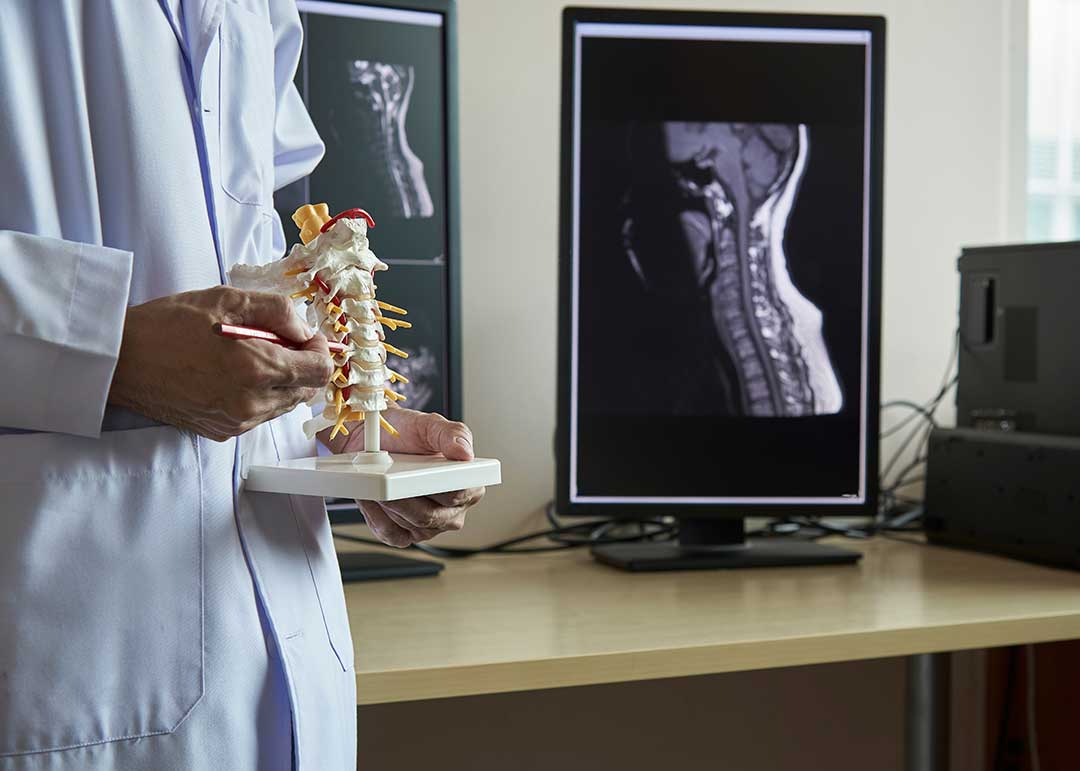
Helpful adjustments include:
- Changing sitting positions regularly
- Keeping frequently used items within easy reach
- Using a chair that allows the feet to rest firmly on the floor
- Avoiding repeated twisting while lifting
- Turning the whole body instead of rotating only through the lower back
- Carrying loads close to the body
- Dividing heavier household tasks into smaller periods
Homes with stairs, narrow walkways, or frequently moved furniture may require extra attention to safe movement. Adequate lighting is particularly useful during early mornings, evenings, and power interruptions.
Mobility can also be affected by sleep. Poor sleep may increase sensitivity to discomfort, reduce coordination, and make physical activity feel more difficult. A regular sleep schedule and a comfortable sleeping position can support recovery.
Which natural habits may reduce stiffness?
Hydration, balanced meals, and regular activity all contribute to normal muscle and joint function. Water needs vary based on body size, activity level, medications, health conditions, and weather.
Meals that include vegetables, fruits, beans, whole grains, protein sources, and healthy fats can support general health. No single food reliably restores mobility, and supplements are not automatically safe or effective. Some can interact with medications or affect blood pressure, bleeding, or kidney function.
Weight changes may also influence mobility, particularly in the knees, hips, feet, and lower back. Gradual, sustainable habits are generally more useful than restrictive diets or rapid changes.
Heat may temporarily relax stiff muscles, while cold can sometimes reduce discomfort after activity. Both should be used carefully, with a cloth barrier and limited exposure. Numb skin, poor circulation, diabetes, or reduced sensation increases the risk of burns or cold injury.
When should mobility problems be evaluated?
Some stiffness is common after inactivity, but new, severe, or worsening symptoms deserve attention. Prompt medical evaluation is appropriate for:
- Sudden weakness or loss of coordination
- Numbness that develops quickly
- Loss of bladder or bowel control
- A major injury or inability to bear weight
- A hot, swollen, or visibly deformed joint
- Chest pain, severe shortness of breath, or fainting
- Pain accompanied by fever or unexplained weight loss
For less urgent concerns, evaluation may be useful when pain lasts for several weeks, repeatedly interrupts sleep, or limits walking, work, or self-care. A qualified health professional can help determine whether the problem relates to a joint, muscle, nerve, balance system, or another condition.
Natural mobility strategies work best when they are gradual, specific, and consistent. The most useful routine is one that fits daily life, respects symptoms, and supports confident movement without forcing the body beyond its current capacity.
