
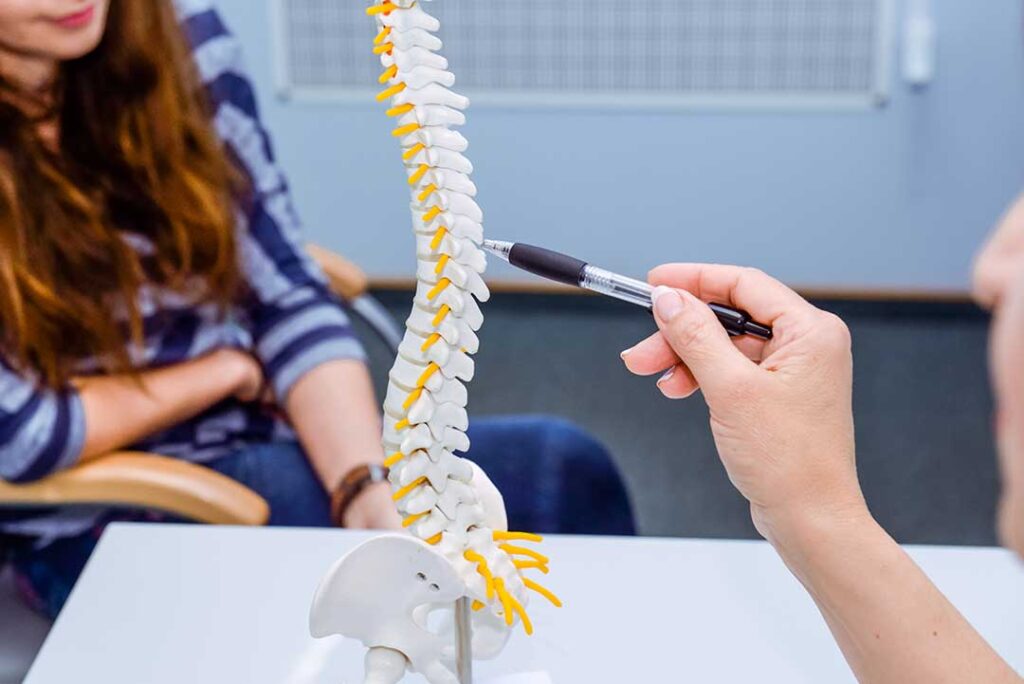
Sciatica can cause pain, tingling, numbness, or weakness that travels from the lower back or buttock into the leg. For many people in Lynbrook, NY, symptoms improve gradually with sensible self-care, gentle movement, and attention to activities that irritate the nerve.
Sciatica is not a condition that can be confirmed by pain location alone. Similar symptoms may come from a muscle strain, hip problem, arthritis, or another nerve disorder. Home remedies can be useful for mild symptoms, but worsening pain, weakness, or changes in bladder or bowel control require prompt medical evaluation.
What does sciatica feel like?
Sciatica usually affects one side of the body and follows part of the sciatic nerve, which extends from the lower back through the buttock and down the leg. The discomfort may feel sharp, burning, aching, tingling, or similar to an electric shock.
Common symptoms include:
- Pain from the lower back or buttock into the thigh, calf, or foot
- Numbness or pins-and-needles sensations
- Leg or foot weakness
- Pain that worsens with prolonged sitting, coughing, sneezing, or certain movements
A person can have significant pain without having a serious injury. In many cases, symptoms settle over several weeks as irritation around the nerve decreases.
Should you rest or keep moving?
Short periods of rest can be helpful during a painful flare, but extended bed rest often makes recovery harder. Gentle, controlled movement helps prevent stiffness and allows the back and legs to maintain normal function.
Try changing positions regularly rather than remaining seated for long stretches. A brief walk around the home, a slow trip outdoors, or light household movement may be more helpful than staying still for most of the day.
During a flare, reduce activities that clearly increase leg pain, such as repeated bending, twisting, heavy lifting, or carrying uneven loads. This is especially relevant during seasonal household tasks, including moving outdoor equipment, clearing wet leaves, or lifting storage containers.
The goal is not to push through severe pain. Movement should remain manageable and should not produce increasing numbness or weakness.
Which gentle exercises may help?
Gentle exercises can reduce stiffness and support recovery, but the right movement depends on how the nerve is being irritated. An exercise that helps one person may aggravate another.
Comfortable options may include:
- Short, easy walks on level ground
- Gentle pelvic tilts while lying on the back
- Slow knee-to-chest movements, if they do not increase leg symptoms
- Light hamstring or hip stretching without forcing the range
- Gentle trunk movements performed slowly and under control
Stop an exercise if it causes sharper leg pain, spreading tingling, increasing numbness, or new weakness. Mild stretching discomfort is different from nerve pain that travels farther down the leg.
People who are pregnant, recovering from surgery, managing osteoporosis, or living with another significant health condition should use extra caution with exercise choices.
Can heat or ice reduce discomfort?
Both cold and heat may provide temporary relief. Ice can be useful during the first day or two after a strain or sudden flare, while heat may help relax tight muscles and make gentle movement easier.
Use a covered cold pack or warm compress for about 15 to 20 minutes at a time. Avoid placing either directly on bare skin, and do not fall asleep while using a heating pad. People with reduced sensation, circulation problems, or diabetes should be particularly careful because skin injury may occur without being noticed.
Heat and ice address comfort, not the underlying cause. Relief that lasts only while the pack is applied does not necessarily mean the problem is resolving.
How can sitting and sleeping be adjusted?
Prolonged sitting can increase pressure on the lower back and aggravate leg symptoms. A supportive chair, frequent position changes, and a small rolled towel behind the lower back may improve comfort.
At a desk, keep both feet supported and avoid leaning to one side. At home, alternating between sitting, standing, and short walks may be more comfortable than trying to maintain one “perfect” posture for hours.
For sleep, lying on the side with a pillow between the knees may reduce twisting. Some people are more comfortable on the back with a pillow under the knees. The best position is the one that reduces leg symptoms without creating new pain.
Long drives and extended train or bus rides can be difficult during a flare. Plan brief movement breaks when possible, and avoid placing a wallet or bulky object in a back pocket while sitting.
Do over-the-counter pain medicines help?
Nonprescription medicines may reduce pain for some adults, but they are not appropriate for everyone. Anti-inflammatory medicines can cause problems for people with a history of stomach ulcers, kidney disease, certain heart conditions, bleeding disorders, or medication interactions. Acetaminophen also requires caution in people with liver disease or heavy alcohol use.
Read labels carefully, avoid combining products with the same active ingredient, and ask a pharmacist or medical clinician about safe use if there is any uncertainty. Medication should not be used to mask worsening weakness or to continue an activity that is causing injury.
Which “natural” remedies deserve caution?
Some commonly promoted remedies have limited or inconsistent evidence for sciatica. Herbal supplements, concentrated essential oils, detox products, and unregulated injections may cause side effects or interact with prescription medicines.
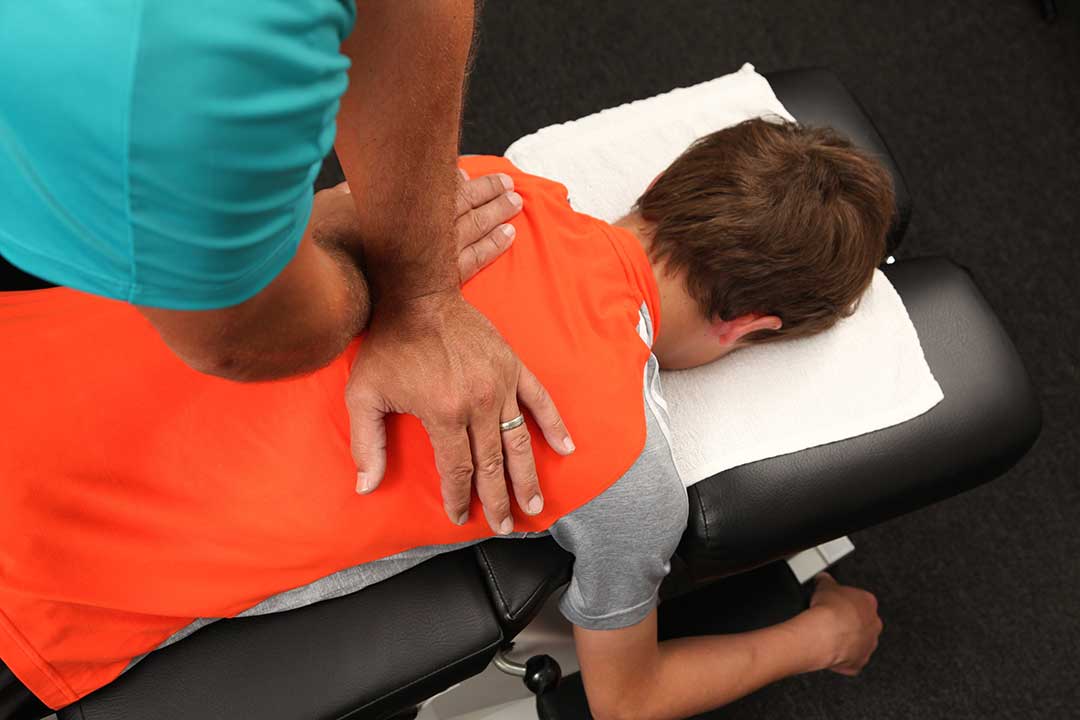
Massage, mindfulness, breathing exercises, and relaxation practices may help reduce muscle tension and the stress response that can amplify pain. They should be viewed as supportive measures rather than cures for a compressed nerve.
Forceful stretching, aggressive foam rolling, or high-velocity self-manipulation can worsen symptoms in some people, particularly when numbness or weakness is present. A remedy should be stopped if symptoms travel farther down the leg or become more intense afterward.
When does sciatica need urgent attention?
Seek emergency medical care for sciatica accompanied by:
- New loss of bladder or bowel control
- Numbness around the inner thighs, groin, or buttocks
- Sudden or worsening weakness in the leg or foot
- Severe symptoms in both legs
- Pain after a major fall, crash, or other significant injury
Prompt medical assessment is also appropriate for fever, unexplained weight loss, a history of cancer, severe night pain, or symptoms that continue to worsen.
For less urgent cases, evaluation is reasonable when pain is severe, lasts beyond several weeks, repeatedly returns, or interferes with walking, sleep, work, or ordinary activities. Imaging is not automatically needed for every episode; the decision usually depends on the examination, duration, severity, and warning signs.
How can future flare-ups be reduced?
Regular activity, gradual strengthening, and avoiding long periods of inactivity may lower the chance of recurring back and leg pain. Build up exercise slowly rather than making a sudden change in walking, gardening, home repairs, or recreational activity.
Use good lifting habits: keep objects close to the body, bend through the hips and knees, avoid twisting while carrying, and divide heavy loads into smaller amounts. During icy or wet weather, careful footing also matters because a sudden slip can strain the back even without a major fall.
Natural care is most useful when it supports steady recovery without ignoring warning signs. Gentle movement, practical adjustments, and careful symptom monitoring can often make a flare more manageable while the irritated tissues heal.
