
Joint inflammation can cause pain, stiffness, warmth, swelling, and reduced mobility. Natural strategies may help calm symptoms and improve daily function, but the right approach depends on the cause—such as osteoarthritis, rheumatoid arthritis, a sprain, gout, infection, or another medical condition.
For residents of Lynbrook, NY, everyday factors such as winter inactivity, humid weather, commuting, household maintenance, and prolonged sitting can influence how joints feel. The most useful plan is usually consistent and moderate rather than aggressive or built around a single supplement.
What does joint inflammation feel like?
Inflammation may be felt as aching, tenderness, stiffness, swelling, warmth, or limited movement. Some people notice more stiffness after sleeping or sitting for a long time, while others experience symptoms after activity.
A joint that becomes suddenly swollen, red, hot, or extremely painful needs more caution. Inflammation can sometimes result from infection, gout, an autoimmune condition, or an injury that requires timely evaluation.
The word “inflammation” is also used broadly. Osteoarthritis may involve irritation and inflammation around a worn or overloaded joint, while rheumatoid arthritis involves an immune-system disorder that can affect multiple joints and other parts of the body. Natural self-care can support comfort, but it does not replace diagnosis or treatment for inflammatory disease.
Can gentle movement reduce inflammation?
Yes. Regular, joint-friendly movement can reduce stiffness, support muscle strength, and improve function. Avoiding activity completely often causes muscles to weaken and joints to become less tolerant of normal tasks.
Start with a level that feels manageable:
- Walk for five to ten minutes, then gradually increase the time.
- Try gentle cycling, water exercise, tai chi, or mobility exercises.
- Use slow range-of-motion movements for the affected joint.
- Break up long periods of sitting with brief movement every 30 to 60 minutes.
- Add light strengthening exercises when pain is controlled.
A practical example is a short indoor walking routine during icy or very cold weather, followed by gentle stretching. On warmer days, walking on level sidewalks or doing light gardening may be more comfortable. The goal is not to push through sharp pain. Mild muscle fatigue can be normal, but increasing swelling, severe pain, or loss of function suggests that the activity should be reduced.
Should you use heat or cold?
Heat and cold can both be useful, but they serve different purposes.
Cold may help with a newly aggravated joint, visible swelling, or soreness after activity. A cold pack wrapped in a thin towel can be applied for about 10 to 15 minutes at a time. Do not place ice directly on the skin.
Heat may be more helpful for stiffness, especially before movement. A warm shower, heating pad on a low setting, or warm towel can make gentle mobility easier. Avoid falling asleep with a heating pad, and do not apply heat to a joint that is visibly hot and acutely swollen.
People with reduced sensation, circulation problems, or certain nerve conditions should use extra caution with temperature-based treatments.
Can food choices affect joint symptoms?
A balanced eating pattern may support overall health, body weight, energy, and the body’s ability to manage chronic disease. No single food reliably eliminates joint inflammation, but a pattern centered on minimally processed foods is more useful than a restrictive “anti-inflammatory cure.”
Helpful choices may include:
- Vegetables and fruit in a variety of colors
- Beans, lentils, whole grains, nuts, and seeds
- Fish or other sources of unsaturated fats
- Adequate protein to help maintain muscle
- Water instead of frequent sugary drinks
Reducing heavily processed foods, excess added sugar, and frequent high-sodium meals may benefit general health. For people carrying extra weight, gradual weight reduction can reduce stress on weight-bearing joints such as the knees, hips, ankles, and feet. Even modest changes may improve comfort and movement.
Food sensitivities and elimination diets should be approached carefully. Removing major food groups without a clear reason can lead to nutritional gaps. Supplements such as turmeric, fish oil, glucosamine, or herbal products may interact with medicines and are not automatically safe because they are labeled “natural.”
How do sleep and stress affect joint pain?
Poor sleep can increase pain sensitivity, fatigue, and difficulty coping with symptoms. Stress may also lead to muscle tension, shallow breathing, inactivity, or disrupted sleep, all of which can make discomfort feel worse.
A steadier sleep routine may help:
- Keep a regular wake-up time.
- Reduce bright screens before bed.
- Keep the bedroom comfortably cool and dark.
- Avoid heavy meals or excess caffeine late in the day.
- Use gentle breathing or relaxation exercises before sleep.
During periods of high stress, short walks, quiet stretching, or several minutes of slow breathing may be more realistic than a demanding exercise session. These approaches do not cure arthritis, but they can support the nervous system and make healthy routines easier to maintain.
What daily habits protect irritated joints?
Joint protection means reducing unnecessary strain without becoming inactive. Carrying heavy bags, kneeling for long periods, climbing repeatedly, or working in awkward positions can aggravate symptoms.
Consider these adjustments:
- Use both hands to carry heavier objects.
- Keep frequently used household items within easy reach.
- Change positions regularly during desk work or driving.
- Choose supportive, comfortable footwear.
- Use a small stool or padded surface for low-level tasks.
- Increase chores gradually after periods of inactivity.
- Warm up before yard work, cleaning, or recreational exercise.
Winter conditions can create a cycle of less outdoor activity and more stiffness. Indoor walking, gentle mobility exercises, and light strengthening can help maintain movement when snow, ice, or cold temperatures make outdoor routines impractical.
When is joint inflammation a warning sign?
Natural care is not appropriate as the only response to every swollen or painful joint. Prompt medical evaluation is warranted for:
- Sudden, severe pain or swelling
- A joint that is red, hot, and very tender
- Fever, chills, or feeling acutely ill
- Symptoms after a significant fall or collision
- Inability to bear weight or move the joint
- Repeated episodes of unexplained swelling
- Morning stiffness lasting a long time or affecting several joints
- Unexplained weight loss, marked fatigue, rash, or eye symptoms
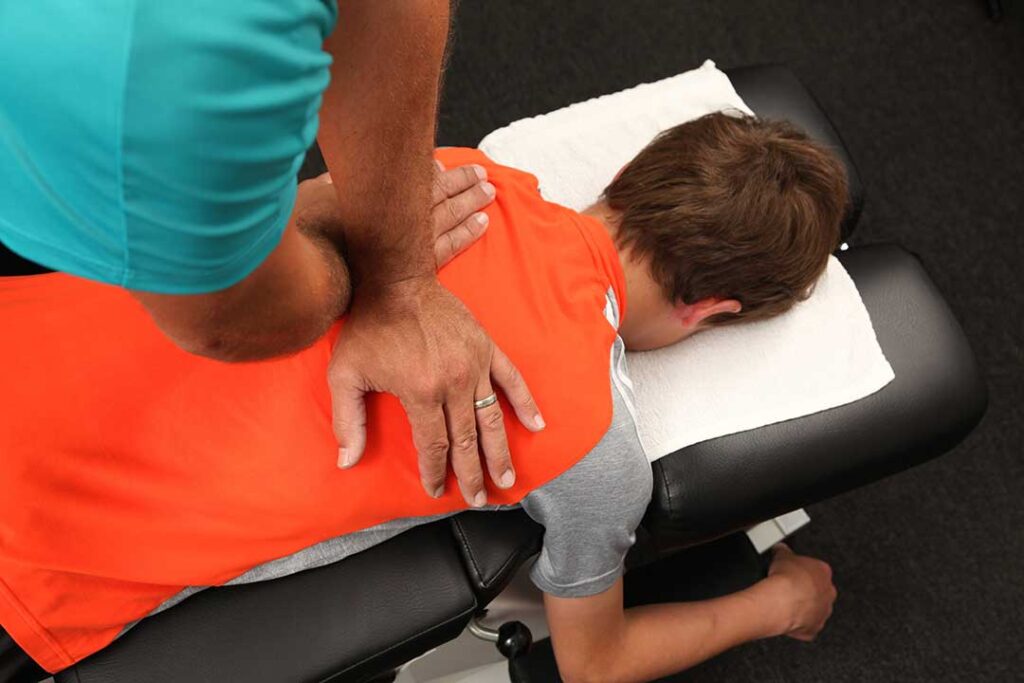
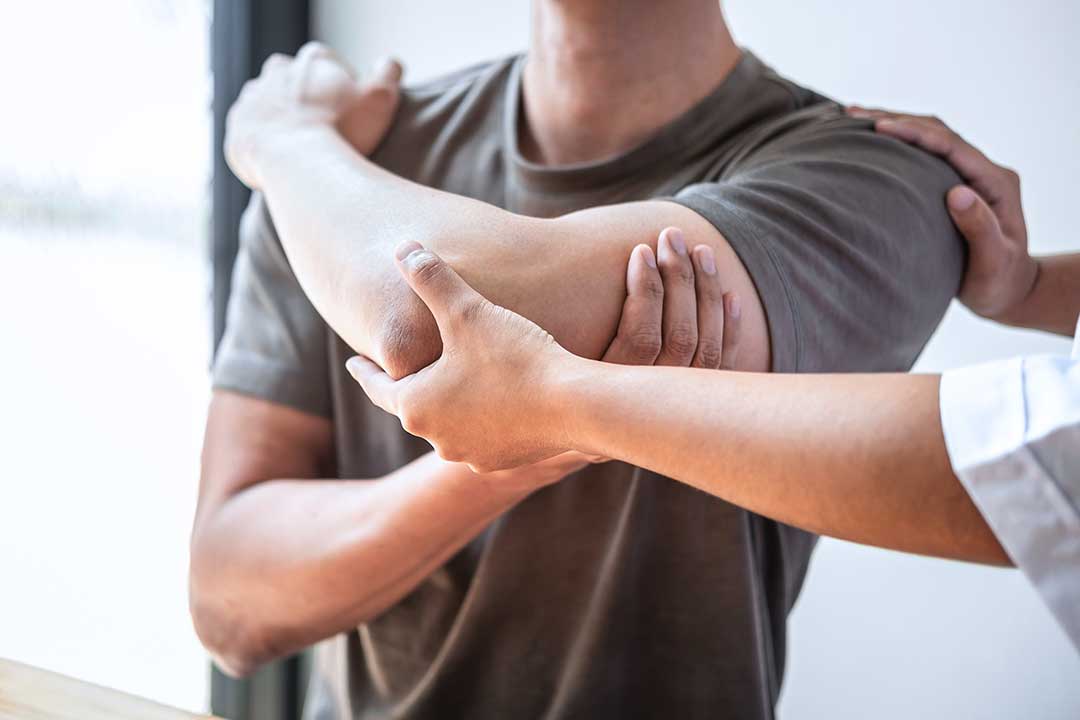
People with diagnosed rheumatoid arthritis, gout, lupus, or another inflammatory disease should not stop prescribed treatment in favor of supplements or home remedies. Chiropractic care, physical therapy, exercise, and lifestyle changes may sometimes complement medical care, but treatment should match the underlying diagnosis.
A realistic starting plan
Begin with one or two manageable actions: five to ten minutes of gentle movement, a consistent sleep schedule, or a more balanced meal pattern. Track what increases or decreases symptoms, including activity, weather, sleep, and swelling.
If discomfort is persistent, worsening, or interfering with normal tasks, an appropriate health evaluation can help determine whether the problem is mechanical irritation, arthritis, injury, nerve-related pain, or a systemic condition. Knowing the cause makes natural self-management safer and more effective.
