

Spinal health affects far more than whether your back hurts. The spine supports movement, balance, nerve function, sleep, work, exercise, and many ordinary activities that shape quality of life. When the back, neck, or related muscles become painful or stiff, the effects can spread into nearly every part of the day.
For residents of Lynbrook, understanding how the spine functions can make it easier to recognize common problems, protect mobility, and know when symptoms require medical attention.
How can spinal health affect quality of life?
A healthy spine helps the body move efficiently and comfortably. It allows people to bend, turn, stand, sit, walk, lift, and maintain balance while protecting the spinal cord and supporting the muscles and joints connected to the trunk.
Poor spinal health may affect:
- Mobility and walking tolerance
- Ability to work, drive, exercise, or complete household tasks
- Sleep quality and comfortable resting positions
- Mood, concentration, and energy
- Participation in family, social, and recreational activities
- Confidence with lifting, stairs, or outdoor movement
Pain does not always come from a serious structural problem. Many episodes of back or neck pain are related to muscles, joints, ligaments, discs, movement habits, or a combination of factors. Even when the cause is not dangerous, persistent symptoms can limit daily life and lead people to avoid activity.
That avoidance may create a cycle: less movement can reduce strength and flexibility, which may make ordinary tasks feel more difficult.
Why does back or neck pain affect sleep and mental well-being?
Pain and sleep influence each other. A sore back may make it difficult to find a comfortable position, turn in bed, or remain asleep. Poor sleep can then increase fatigue and make pain feel more intense the next day.
Ongoing discomfort may also contribute to frustration, irritability, worry, or reduced motivation. Someone who once enjoyed walking, gardening, playing with children, or attending community activities may begin declining those activities because movement feels unpredictable.
This does not mean that spinal pain is “just stress.” Pain is real, but stress, anxiety, and inadequate sleep can influence how the nervous system processes pain. Addressing sleep routines, activity levels, emotional strain, and physical symptoms together is often more useful than focusing on posture or one body part alone.
Can posture cause spinal problems?
Posture can influence comfort, but there is no single perfect posture that prevents all spinal pain. Sitting, standing, or looking down for long periods may place repeated demands on the neck and back, especially when movement is limited.
Common examples include:
- Working at a laptop for several hours without changing position
- Looking down at a phone while walking or sitting
- Remaining in a car or train seat for a long commute
- Reaching repeatedly from an awkward height
- Holding a child, bag, or tool mostly on one side
- Sleeping in a position that aggravates existing symptoms
The more useful goal is posture variety. Changing positions, taking brief movement breaks, adjusting screen height, and keeping frequently used objects within easy reach can reduce strain. A comfortable, supported position that changes regularly is generally more practical than trying to hold the body rigidly upright all day.
What everyday habits support a healthier spine?
Regular movement is one of the most helpful habits for maintaining spinal function. Walking, gentle mobility exercises, and appropriate strengthening can support the muscles of the back, abdomen, hips, and legs. Stronger supporting muscles may make routine tasks easier and improve balance.
A practical routine might include:
- Walking at a comfortable pace most days
- Taking short movement breaks during seated work
- Gradually strengthening the legs, hips, abdomen, and upper back
- Practicing gentle range-of-motion exercises without forcing painful movements
- Using both hands when carrying heavier items
- Keeping loads close to the body while lifting
- Bending through the hips and knees rather than rounding the back forcefully
- Building activity gradually after an injury or inactive period
During winter, icy sidewalks, wet surfaces, and bulky clothing can change how people walk and carry items. Extra caution with footwear, outdoor footing, and snow or ice removal may help reduce falls and sudden twisting injuries. Inside the home, cluttered walkways and poorly placed storage can create similar risks.
Exercise should be adapted to a person’s age, health history, strength, and symptoms. Sharp, worsening, or radiating pain is a reason to stop an activity and seek appropriate guidance rather than pushing through it.
Does spinal health matter even without pain?
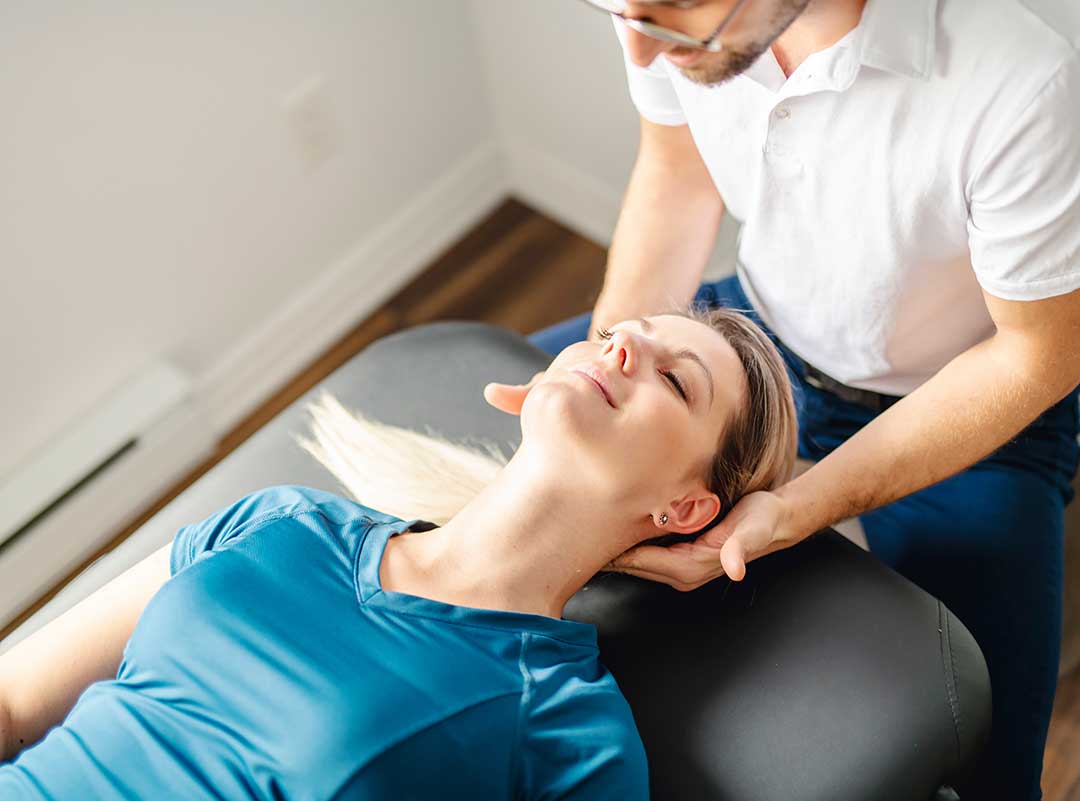
Yes. Spinal health is also about maintaining mobility, strength, coordination, and confidence before a problem becomes limiting. People may have reduced flexibility or endurance without feeling significant pain at first.
Healthy spinal function supports activities such as:
- Getting up from a chair
- Climbing stairs
- Carrying groceries
- Standing for meal preparation
- Reaching overhead
- Walking outdoors
- Turning the head safely while driving
- Participating in exercise and recreation
For older adults, strength and balance are especially relevant because falls can lead to serious injuries and prolonged loss of independence. For younger adults, building good movement habits can help support work, school, sports, and caregiving responsibilities.
What role can chiropractic care play?
Chiropractic care commonly focuses on the relationship between the spine, joints, muscles, movement, and nervous system. Depending on the situation, care may include a health history, physical examination, movement assessment, manual treatment, exercise guidance, or advice about activity modification.
Chiropractic treatment is not appropriate for every cause of spinal pain, and no single approach works for everyone. Symptoms may also require evaluation by a primary care clinician, physical therapist, neurologist, orthopedic specialist, or another qualified health professional. The appropriate choice depends on the suspected cause, symptom pattern, medical history, and personal preferences.
A useful evaluation should consider function, not just pain intensity. Questions may include whether symptoms interfere with sleep, walking, work, lifting, balance, or other meaningful activities.
When should spinal symptoms receive prompt medical attention?
Most mild back or neck discomfort is not an emergency, but certain symptoms should not be ignored. Prompt medical evaluation is appropriate for pain accompanied by:
- New weakness in an arm or leg
- Loss of bladder or bowel control
- Numbness around the inner thighs or groin
- Severe pain after a fall, collision, or other injury
- Fever, unexplained weight loss, or feeling seriously ill
- A history of cancer, significant infection risk, or severe osteoporosis
- Pain that is rapidly worsening or unusually severe
- Difficulty walking or maintaining balance
Persistent symptoms that interfere with sleep, work, exercise, or normal household activities also deserve evaluation, even without emergency warning signs. The goal is not simply to eliminate every sensation of discomfort but to restore safe movement, independence, and participation in daily life.
For households in Lynbrook, that may mean being able to walk comfortably through the community, manage stairs and household tasks, remain active during changing seasons, and take part in family or social routines without constantly planning around spinal symptoms.
