
Sciatica can cause pain that travels from the lower back or buttock into the thigh, calf, or foot. Natural measures may reduce irritation and help movement, but they should not replace medical evaluation when symptoms are severe, persistent, or associated with nerve weakness.
What does sciatica feel like?
Sciatica is a symptom caused by irritation or pressure involving a nerve root in the lower spine. It commonly affects one side and may feel like burning, tingling, aching, stabbing, or an electric shock.
Some people notice:
- Pain extending below the knee
- Numbness or pins-and-needles in the leg or foot
- Leg or foot weakness
- Increased discomfort after prolonged sitting, coughing, or sneezing
- Difficulty standing, walking, getting out of a chair, or sleeping
Not every pain in the hip or leg is sciatica. Muscle strain, hip problems, arthritis, and other conditions can produce similar symptoms. The pattern, duration, and associated signs matter.
Can gentle movement relieve sciatic pain?
Usually, light movement is more helpful than prolonged bed rest. Short, comfortable walks can reduce stiffness and prevent the back and hips from becoming more guarded. Movement should remain within a tolerable range rather than forcing through sharp or spreading pain.
A practical approach is to change position every 20 to 30 minutes. Residents who spend long periods driving, working at a desk, or sitting in compact home offices may benefit from alternating sitting with brief standing and walking breaks.
Gentle options may include:
- Easy walking on level ground
- Slow pelvic tilts while lying down
- Comfortable hip and hamstring movements
- Light water exercise, if getting in and out of the pool is safe
- Frequent position changes during household tasks
Stop an exercise if it causes increasing leg pain, new numbness, or weakness. A stretch that feels helpful for one person may aggravate another, particularly when a spinal disc or nerve root is involved.
Should heat or ice be used?
Heat and cold can both provide short-term comfort. Cold may be useful during a recent flare, especially when the area feels irritated after activity. Heat may help muscle tightness and stiffness, particularly before gentle movement.
Use a wrapped cold pack or heating pad for about 15 to 20 minutes at a time. Avoid placing either directly on the skin, and do not fall asleep while using a heating pad. People with reduced sensation, circulation problems, or certain medical conditions should use extra caution because burns and cold injuries may occur without being noticed promptly.
A warm shower can also make morning stiffness easier to manage. During colder months in Lynbrook, sudden changes between heated indoor spaces and cold outdoor conditions may encourage muscle tightening, so gradual movement before lifting, shoveling, or carrying items is sensible.
What sitting and sleeping positions may help?
There is no single “correct” posture for everyone, but many people feel better when the lower back is supported and the hips are not held in one position for too long.
Helpful adjustments can include:
- Placing a small cushion behind the lower back while sitting
- Keeping both feet supported rather than crossing the legs for long periods
- Using a chair that allows the hips to remain level with or slightly higher than the knees
- Sleeping on the side with a pillow between the knees
- Sleeping on the back with a pillow under the knees
- Avoiding very soft seating that causes the pelvis to sink
The goal is comfort and regular movement, not rigid posture. Even a well-supported chair can become aggravating if used continuously for several hours.
Do supplements, herbs, or massage cure sciatica?
There is no reliable supplement that removes pressure from a spinal nerve or consistently cures sciatica. Products marketed as natural pain remedies may interact with prescription medicines, affect blood pressure or blood clotting, or cause liver and kidney problems.
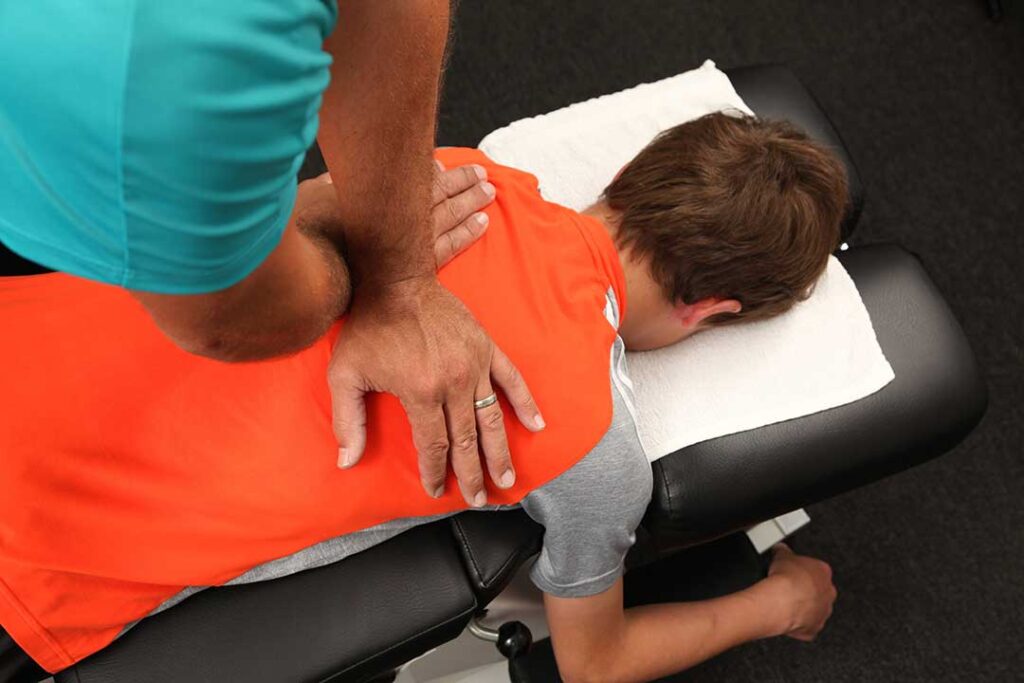
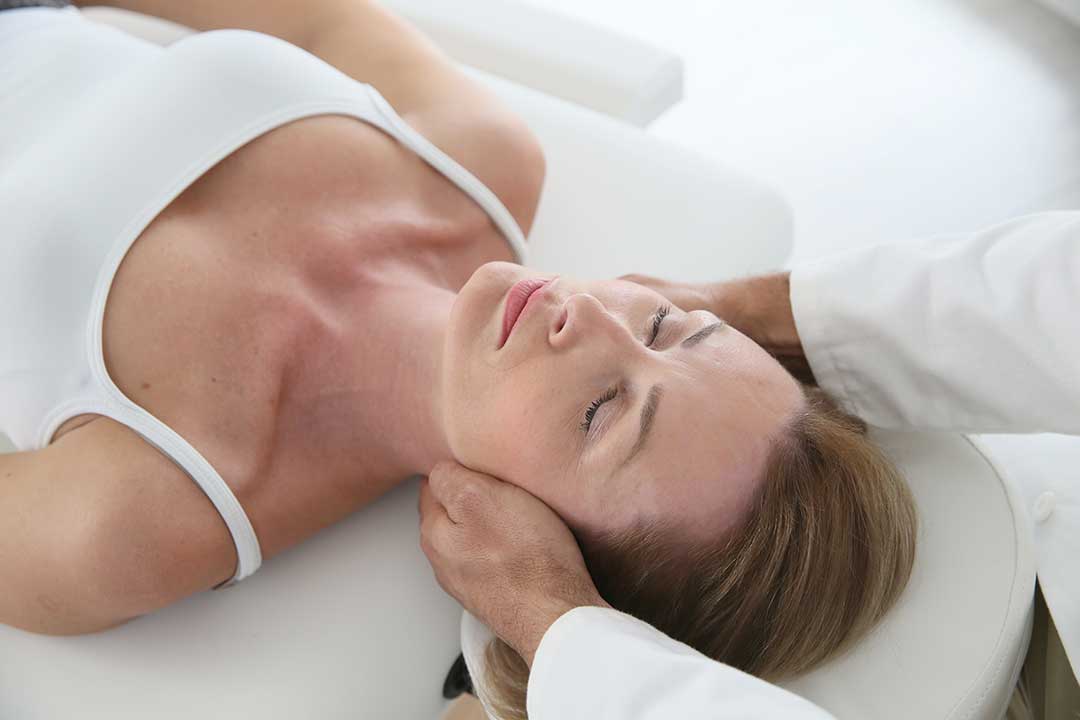
Massage may temporarily reduce muscle tension, but it should be gentle and should not involve forceful pressure over an area with numbness, significant pain, or suspected injury. A massage technique that repeatedly worsens symptoms is not a useful treatment.
Chiropractic care, physical therapy, acupuncture, and other conservative approaches may be appropriate for some people, but the right choice depends on the cause of symptoms and a person’s health history. Manipulation or stretching should not be used as a substitute for urgent evaluation when neurological warning signs are present.
What everyday habits can reduce flare-ups?
Daily habits often matter more than a single stretch. Gradually increasing activity can improve tolerance and reduce the fear of normal movement.
Consider these practical steps:
- Bend at the hips and knees when lifting rather than rounding the lower back
- Hold loads close to the body
- Divide heavy laundry, groceries, or household items into smaller loads
- Avoid twisting while carrying
- Use a stable step stool instead of reaching repeatedly overhead
- Pace snow, yard, and home-maintenance tasks during seasonal weather
- Build walking and basic strength gradually after a flare
- Prioritize sleep, since poor sleep can increase pain sensitivity
Weight changes, smoking, diabetes, previous back injuries, and low activity levels may also influence recovery. These factors do not mean pain is someone’s fault; they simply identify areas that may be worth discussing during a health evaluation.
When should sciatica be evaluated urgently?
Seek emergency medical care for new loss of bladder or bowel control, numbness around the inner thighs or groin, or rapidly worsening weakness in one or both legs. These symptoms can indicate serious nerve compression.
Prompt medical assessment is also appropriate after a significant fall or crash, or when back and leg pain occurs with fever, unexplained weight loss, a history of cancer, or severe night pain.
For less urgent symptoms, evaluation is sensible when pain is severe, continues to worsen, interferes with walking or sleep, or does not begin improving with reasonable self-care. An examination can help distinguish sciatica from hip, vascular, spinal, or other conditions and determine whether imaging is necessary. Imaging is not automatically needed for every new episode.
Natural care is best viewed as supportive: keep moving gently, use heat or cold safely, avoid aggravating positions, and monitor neurological symptoms. Persistent or changing symptoms deserve individualized guidance rather than increasingly aggressive home treatment.
