
Pregnancy-related back pain is common, but severe, persistent, or unusual pain should not be assumed to be a normal discomfort. In Lynbrook, NY, practical changes such as safer movement, supportive sleep positioning, gentle activity, and careful use of heat may help many people feel more comfortable.
Why does pregnancy cause back pain?
Pregnancy can change posture, balance, muscle workload, and the way the pelvis moves. As the abdomen grows, the body’s center of gravity shifts forward. The lower back may arch more, while the abdominal and pelvic muscles work differently than they did before pregnancy.
Pregnancy hormones also loosen some ligaments around the pelvis. This natural process helps prepare the body for childbirth, but it may contribute to soreness or a feeling of instability. Long periods of standing, lifting, stair use, or sitting without back support can make symptoms worse.
Back pain may be felt across the lower back, around the hips, or near the buttocks. Some people also experience pain that travels into the thigh or leg. These patterns can have different causes, so new or worsening symptoms deserve attention.
What can be done at home to ease pregnancy back pain?
The safest approach is usually a combination of gentle movement, improved positioning, and avoiding activities that repeatedly aggravate symptoms.
- Change positions regularly. Avoid sitting, standing, or lying in one position for long periods. Short movement breaks may be more helpful than waiting until the back becomes stiff.
- Use supportive sitting posture. Choose a chair with back support, keep both feet supported, and place a small cushion behind the lower back if needed.
- Stand with balance in mind. Keep the knees slightly relaxed rather than locked, distribute weight evenly, and avoid leaning backward to counterbalance the abdomen.
- Wear supportive footwear. Stable shoes with comfortable arch support may be more useful than slippers, high heels, or very flat shoes. This can matter during wet, icy, or uneven winter walking conditions.
- Lift carefully. Bend at the knees, keep an object close to the body, and avoid twisting while lifting. Ask for help with heavy laundry baskets, furniture, or household items.
- Take smaller steps on stairs. Use the handrail and avoid carrying bulky objects while going up or down stairs.
Gentle walking may also help reduce stiffness. The appropriate amount depends on the person’s health, pregnancy, activity level, and advice from the obstetric care team.
Which stretches and exercises are generally safe?
Exercise during pregnancy can support posture, strength, and mobility, but it should be appropriate for the individual pregnancy. Anyone with activity restrictions, complications, or a high-risk pregnancy should ask the obstetric care provider before beginning or changing an exercise routine.
A commonly used gentle movement involves starting on the hands and knees with the head aligned with the spine. Slowly draw the abdomen inward and round the back slightly, then return to a neutral position without forcing the movement. It should feel controlled rather than painful.
Other options may include:
- Easy walking on level surfaces
- Prenatal exercise approved by the obstetric care team
- Gentle pelvic floor and core exercises
- Water-based activity, if medically appropriate
- Light stretching for the hips, legs, and lower back
Stop if exercise causes pain, dizziness, bleeding, fluid leakage, contractions, chest symptoms, unusual shortness of breath, or a noticeable decrease in fetal movement. Exercise should not be treated as a test of endurance during pregnancy.
How should someone sleep with back pain while pregnant?
Side-lying is often more comfortable than sleeping on the stomach or remaining flat on the back, particularly later in pregnancy. A pillow between the knees can help keep the hips more neutral. Another pillow under the abdomen or behind the back may reduce strain when turning or resting.
A full-length pillow is not required. Several ordinary pillows can provide similar positioning if they are comfortable and do not make breathing difficult. The goal is to support the body without forcing the hips or spine into an extreme position.
Turning in bed may be easier by bending the knees and moving the shoulders and hips together instead of twisting through the waist. If a sleep position causes numbness, sharp pain, or difficulty breathing, change position and discuss the symptom with the pregnancy care team.
Can heat, cold, massage, or a support belt help?
Heat may relax sore muscles, but it should be used carefully. A warm—not hot—pack or heating pad on the lowest setting can be placed over the painful area for a limited period, with a cloth barrier protecting the skin. Avoid overheating the whole body, hot tubs, and very high temperatures.
A cold pack wrapped in a towel may help after activity or when the area feels irritated. Do not place ice directly on the skin.
Gentle massage may provide temporary comfort. It should not involve forceful pressure over the abdomen, painful joints, or areas with reduced sensation. A maternity support belt or pelvic support may help some people, but fit and positioning matter. A belt that is too tight can be uncomfortable and should not be used to push through worsening pain.
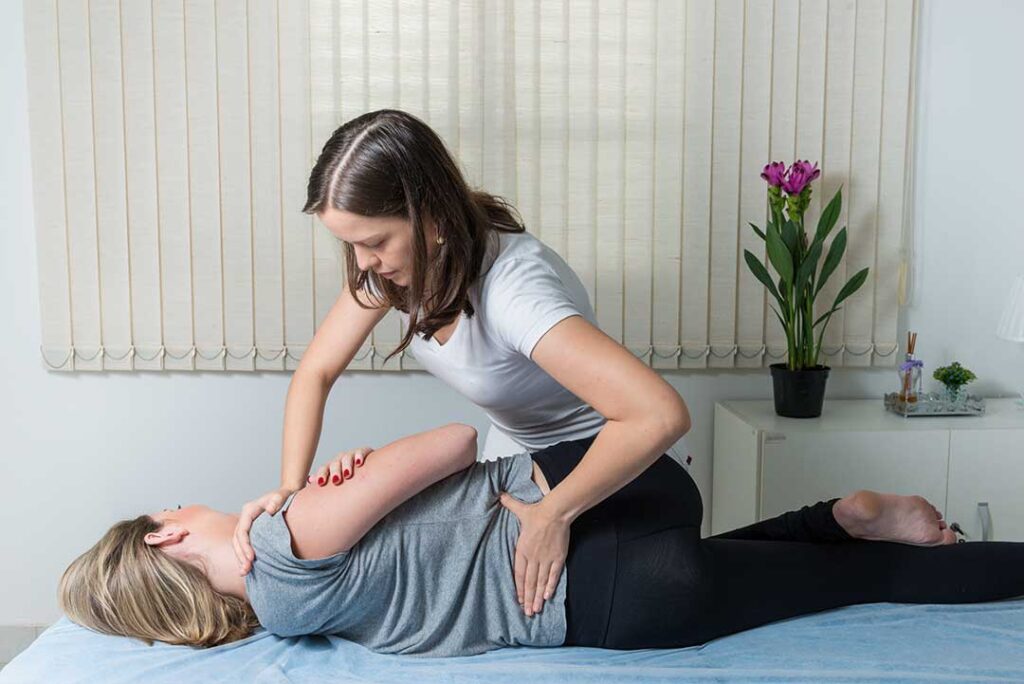
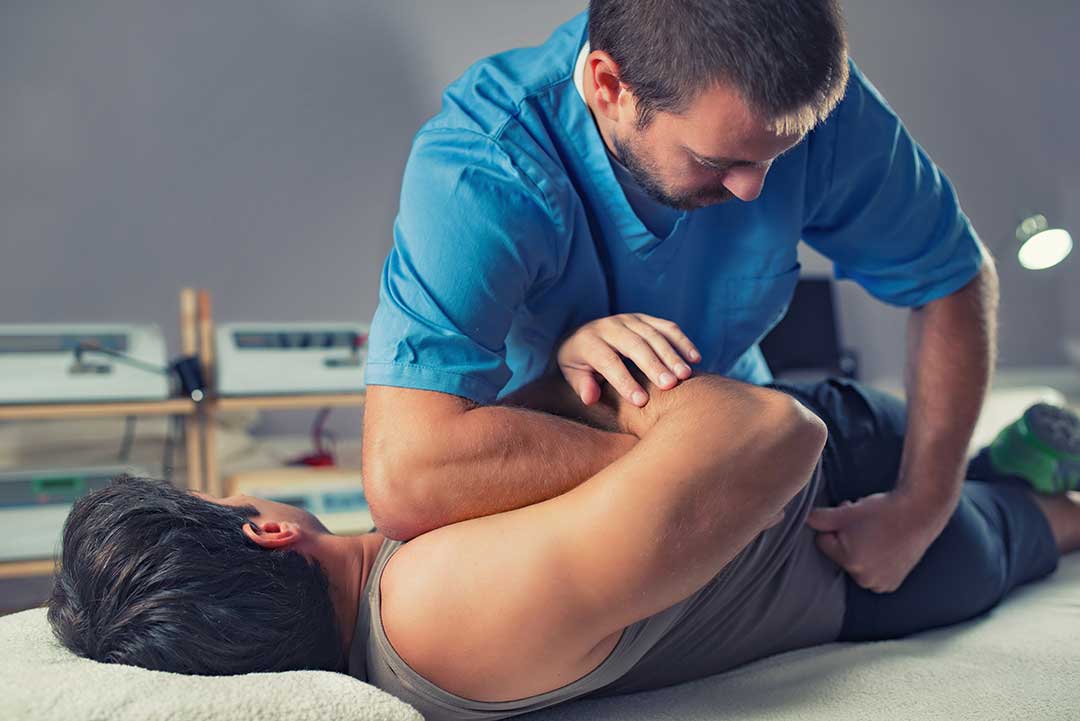
Chiropractic care or other hands-on treatment should be discussed with the obstetric care provider first. If it is considered appropriate, the practitioner should be licensed, informed about the pregnancy, and experienced in adapting techniques for pregnant patients. Forceful or high-velocity treatment is not something to pursue without individualized medical guidance.
Are pain medicines safe during pregnancy?
Do not assume that an over-the-counter pain reliever is automatically safe during pregnancy. Medication choices can depend on the trimester, medical history, other medicines, and pregnancy-related conditions.
The obstetric care provider can explain whether acetaminophen or another option is appropriate. Nonsteroidal anti-inflammatory drugs, including ibuprofen and naproxen, may not be suitable at certain stages of pregnancy. Herbal products and topical medicines also deserve review because “natural” does not always mean risk-free.
When is pregnancy back pain a warning sign?
Contact the obstetric care provider promptly for severe pain, pain that lasts more than about two weeks, pain after a fall or injury, or symptoms that interfere with walking or sleeping.
Seek urgent medical guidance if back pain occurs with:
- Vaginal bleeding or fluid leakage
- Fever or chills
- Burning or pain with urination
- Regular tightening or contractions
- New weakness, numbness, or loss of bladder or bowel control
- Severe abdominal or pelvic pain
- Sudden shortness of breath, chest pain, fainting, or unusual swelling
- A significant decrease in fetal movement later in pregnancy
Back pain can occasionally be related to urinary infection, preterm labor, injury, or another condition requiring evaluation. The safest plan is to identify warning signs early rather than treating every symptom as ordinary muscle soreness.
For local households, everyday tasks such as commuting, carrying groceries, managing stairs, and walking on slippery sidewalks can add strain. Adjusting those routines, using support at home, and seeking pregnancy-specific medical advice when symptoms change can make back care safer and more manageable.
