
Pregnancy-related back pain is common, but severe, sudden, or persistent pain should not be dismissed. In Lynbrook, NY, many pregnant residents balance household tasks, commuting, desk work, walking, and caring for older children, all of which can add strain as posture and balance change.
Most mild discomfort can be managed with gentle movement, supportive positioning, careful use of heat or cold, and guidance from a prenatal healthcare professional. The safest approach depends on the stage of pregnancy, overall health, and the cause of the pain.
Why does pregnancy cause back pain?
Pregnancy changes the body in several ways that can affect the back and pelvis. As the uterus grows, the center of gravity shifts forward. This may encourage a person to lean backward, increasing pressure on the lower-back muscles.
Hormonal changes also loosen ligaments around the pelvis. At the same time, abdominal muscles stretch and may provide less support for the spine. These changes can contribute to aching across the lower back, soreness near the hips, or discomfort that worsens after standing, walking, lifting, or sitting for long periods.
Back pain may also be related to pelvic girdle pain, which can cause discomfort near the pubic bone, hips, groin, buttocks, or the back of the pelvis. Pain that travels down a leg, causes numbness, or produces weakness deserves medical attention.
What gentle activities are usually helpful?
For many people with uncomplicated pregnancies, light activity is safer than prolonged bed rest. Short walks, gentle prenatal mobility exercises, and water-based activity may reduce stiffness and help maintain strength.
A simple movement sometimes used during pregnancy begins on the hands and knees:
- Place the hands under the shoulders and knees under the hips.
- Keep the neck relaxed and the back in a comfortable neutral position.
- Gently draw in the abdominal muscles and round the back slightly.
- Hold for a few seconds, then slowly return to a neutral position.
- Stop if the movement causes pain, dizziness, abdominal discomfort, or unusual pressure.
Movements should be slow and comfortable rather than forceful. Anyone who was inactive before pregnancy should begin gradually. A prenatal exercise class, physical therapist, or obstetric care professional can help adapt exercises for pregnancy-related limitations.
Avoid activities that involve a high risk of falling, sudden twisting, heavy impact, or overheating. During warmer months, exercise indoors or during cooler parts of the day, drink enough fluids, and take breaks as needed.
How can posture and daily habits reduce strain?
Good posture does not mean holding the body rigidly. It means keeping the spine supported while changing positions regularly.
When standing, keep the chest comfortably lifted, shoulders relaxed, knees slightly bent, and feet positioned for balance. If standing at a kitchen counter or during household tasks, place one foot on a low step for short periods and alternate sides.
When sitting, choose a chair with back support. A small cushion behind the lower back may improve comfort. Avoid sinking into soft furniture for long periods, and change position every 20 to 30 minutes when possible.
Lifting requires extra care:
- Bring the object close to the body.
- Bend through the knees and hips instead of bending at the waist.
- Keep the back as neutral as possible.
- Avoid twisting while lifting.
- Ask for help with heavy, awkward, or unstable objects.
In homes with stairs, laundry areas, or compact rooms, carrying smaller loads and making fewer trips may reduce sudden strain. A rolling cart can be useful for moving household items without lifting.
Is heat or cold safe for pregnancy-related back pain?
A warm compress may relax sore muscles, while a cold pack may help after activity or when the area feels irritated. Use either option for a short period and place a towel between the skin and the source.
Heat should be comfortably warm, not hot enough to raise overall body temperature. Avoid hot tubs, very hot baths, and prolonged heating directly over the abdomen. Do not fall asleep with a heating pad in use.
Cold packs should also be wrapped and used briefly. Check the skin during use and stop if it becomes painful, numb, pale, or unusually red.
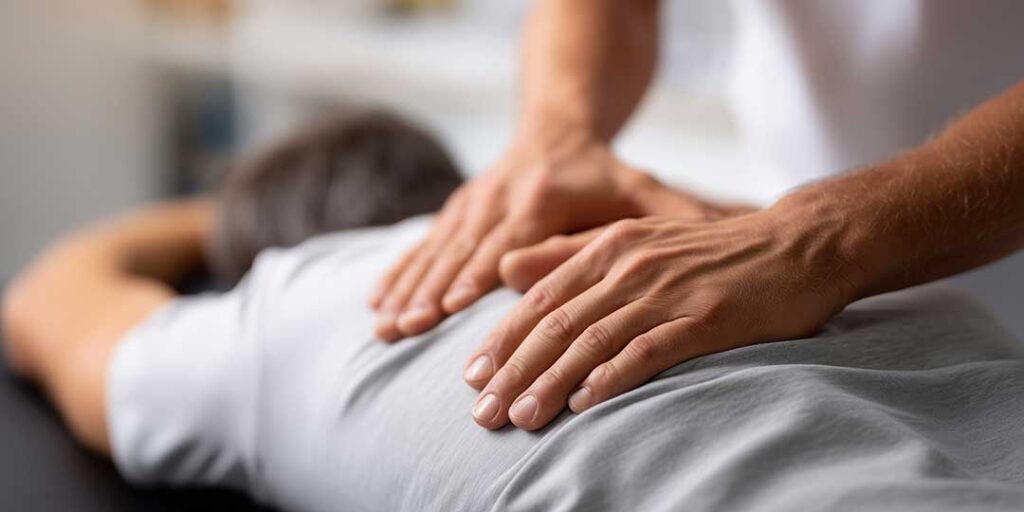
A gentle massage may provide temporary comfort, particularly when muscles are tense. Pressure should remain light and comfortable, and the person providing the massage should know that the individual is pregnant.
What sleeping positions may ease back discomfort?
Side-lying often reduces pressure on the lower back and may be more comfortable as pregnancy progresses. A pillow between the knees can help keep the hips aligned. Some people also benefit from a pillow under the abdomen or behind the back.
The goal is comfort rather than forcing one exact position. Avoid remaining flat on the back for prolonged periods later in pregnancy if it causes dizziness, nausea, shortness of breath, or discomfort. Turning gradually and using pillows for support may make position changes easier.
Can medication be used for back pain during pregnancy?
Medication should be discussed with an obstetric care professional before use, including products purchased without a prescription. Acetaminophen may be appropriate for some pregnant individuals when used at the lowest effective dose for the shortest necessary period, but personal medical history and other medications matter.
Do not assume that common anti-inflammatory pain relievers are automatically safe throughout pregnancy. Products containing ibuprofen, naproxen, aspirin, muscle relaxants, or multiple ingredients may require specific medical guidance, especially later in pregnancy.
Topical creams, herbal products, and essential oils also deserve caution because “natural” does not always mean safe during pregnancy.
Can chiropractic care or physical therapy help?
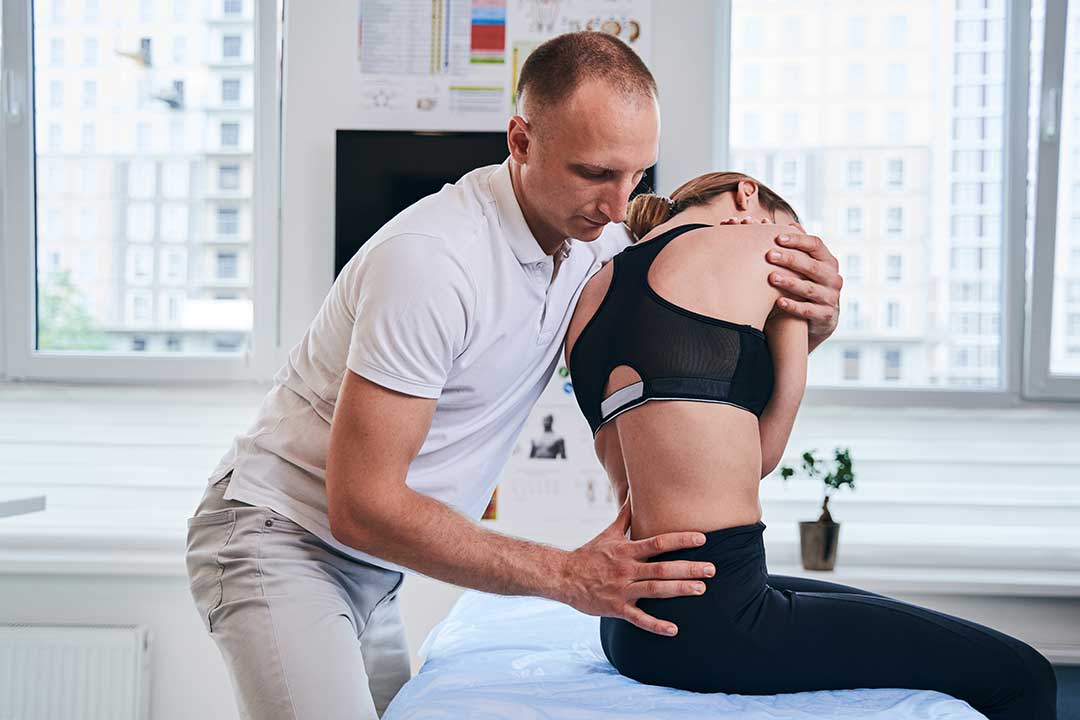
Some pregnant individuals use conservative chiropractic care, physical therapy, or other hands-on approaches for back or pelvic discomfort. Evidence and safety depend on the specific technique, the pregnancy, and the person’s medical history.
Any provider should be told about the pregnancy, expected due date, symptoms, prior complications, and medications. High-velocity techniques, forceful twisting, or treatment that causes pain are not appropriate choices. A prenatal physical therapist may also provide exercises, posture strategies, and movement modifications tailored to the individual.
Back pain that continues for more than a short period, limits walking or sleep, or repeatedly returns should be discussed with the prenatal care team rather than managed indefinitely at home.
When does pregnancy-related back pain require urgent attention?
Back pain should be evaluated promptly if it is severe, sudden, worsening, or follows a fall or other injury. Seek urgent medical guidance for back pain accompanied by:
- Vaginal bleeding or fluid leakage
- Fever or chills
- Burning or pain during urination
- Pain in the side or under the ribs
- Regular cramping, tightening, or contractions
- New weakness, numbness, or loss of feeling in the legs, buttocks, or genital area
- Loss of bladder or bowel control
- Dizziness, chest pain, or difficulty breathing
In the second or third trimester, new rhythmic back pain or pressure may be associated with early labor and should not be assumed to be ordinary muscle soreness.
For mild discomfort without warning signs, a practical starting plan is to reduce heavy lifting, take short movement breaks, use supportive sleep positioning, try carefully applied warmth or cold, and discuss medication or specialized care with the prenatal healthcare team.
