
What is referred pain?
Referred pain is pain felt in one area even though the source is somewhere else. A problem in the neck, for example, may be noticed in the shoulder or upper back, while irritation in the lower back or hip may be felt in the buttock or thigh.
This happens because nerves from different tissues can send signals into overlapping pathways in the spinal cord and brain. The nervous system may interpret the signal as coming from a nearby or distant area rather than the original source.
Referred pain is different from an injury directly affecting the painful area. Someone may feel knee discomfort even though the hip is contributing to the problem, or experience shoulder-blade aching related to the neck. The painful location still matters, but it does not always identify the tissue causing the symptoms.
How does referred pain differ from nerve pain?
Referred pain and nerve-related pain are not the same, although people often use the terms interchangeably.
Referred pain is usually a deep, aching, pressure-like, or difficult-to-pinpoint sensation. It may spread across a region without following a narrow line. Muscle, joint, ligament, or spinal structures can contribute to this pattern.
Nerve-root pain, sometimes called radicular pain, more often follows a recognizable path into an arm or leg. It may feel burning, electric, shooting, or unusually sharp. Numbness, tingling, weakness, or changes in reflexes can also occur.
A third category is pain caused by an internal organ. Heart, lung, digestive, urinary, or reproductive conditions can sometimes produce discomfort in the back, chest, shoulder, jaw, or abdomen. Because these causes may require prompt medical attention, unexplained or unusual pain should not automatically be assumed to be musculoskeletal.
What are common examples?
Pain patterns vary, but several examples are familiar in everyday care:
- Neck joints and muscles may contribute to pain near the shoulder blade, upper shoulder, or upper arm.
- Irritated structures in the mid-back may cause discomfort around the ribs or chest wall.
- Hip problems may be felt in the groin, buttock, thigh, or sometimes the knee.
- Lower-back or pelvic structures may produce aching in the buttock or upper thigh.
- Tight or overloaded muscles may create tender areas that seem to spread pain beyond the original muscle.
These examples are patterns, not diagnoses. The same location can have several possible causes. For instance, shoulder pain may arise from the shoulder itself, the neck, the upper back, an injury, or—less commonly—a medical condition outside the musculoskeletal system.
Why can ordinary routines trigger these symptoms?
Daily habits often influence referred pain, especially when a person repeatedly holds the same position or performs the same movement.
In Lynbrook, local residents may spend long periods driving, commuting, working at a computer, carrying children, climbing stairs, or managing household tasks in compact living spaces. Seasonal cold, wet weather can also lead some people to move less, tense their muscles, or postpone normal activity. These factors do not prove that a symptom is caused by the spine or muscles, but they can add stress to tissues that are already sensitive.
A sudden increase in activity can have a similar effect. Shoveling, moving furniture, gardening, recreational exercise, or extended home projects may overload the back, hips, shoulders, or neck. Pain may then appear in a nearby area rather than exactly where the strain began.
How is referred pain evaluated?
A careful evaluation begins with the symptom history rather than manipulation or imaging alone. Useful details include:
- Where the pain started and where it is felt now
- Whether it is aching, sharp, burning, tingling, or electric
- What movements, positions, coughing, or lifting change it
- Whether there is numbness, weakness, fever, injury, or unexplained weight loss
- How symptoms affect walking, sleep, work, and ordinary activities
- Whether there are medical conditions or medications that change risk
A physical examination may include movement testing, strength and sensation checks, reflexes, gait assessment, and examination of nearby joints and muscles. Imaging is not automatically needed for every episode of back, neck, or limb pain. It may be considered when symptoms persist, follow a significant injury, suggest nerve involvement, or raise concern for another condition.
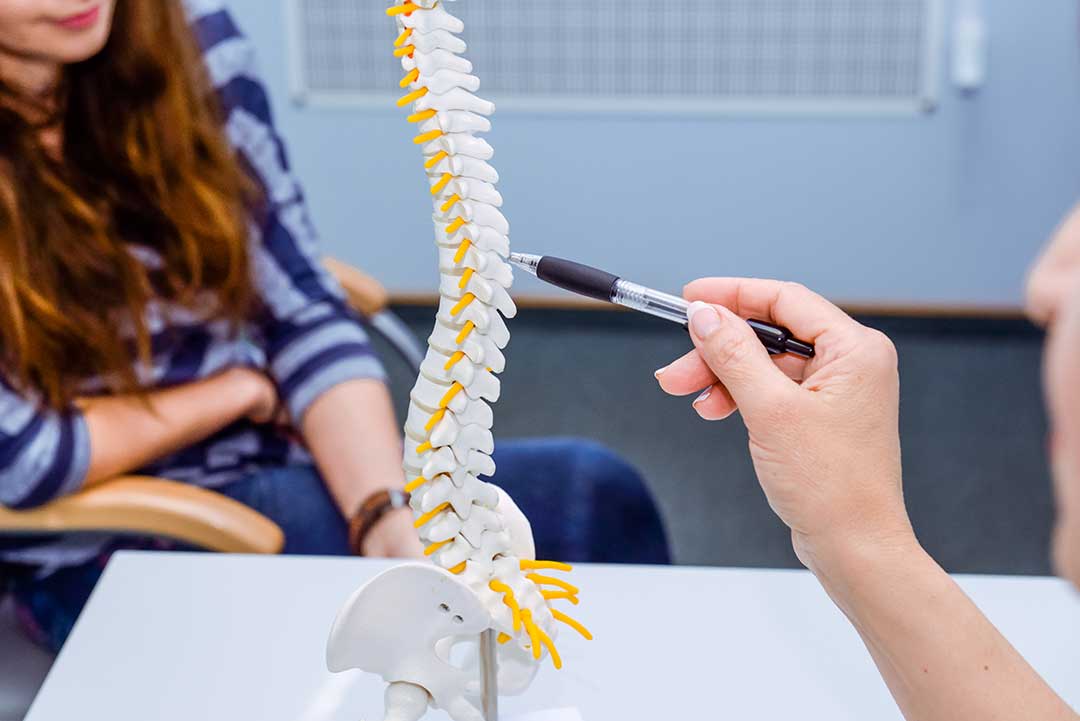
The purpose of the evaluation is not simply to locate the most painful spot. It is to determine whether the pattern is consistent with a musculoskeletal source and whether another type of medical assessment is needed.
What role can chiropractic care play?
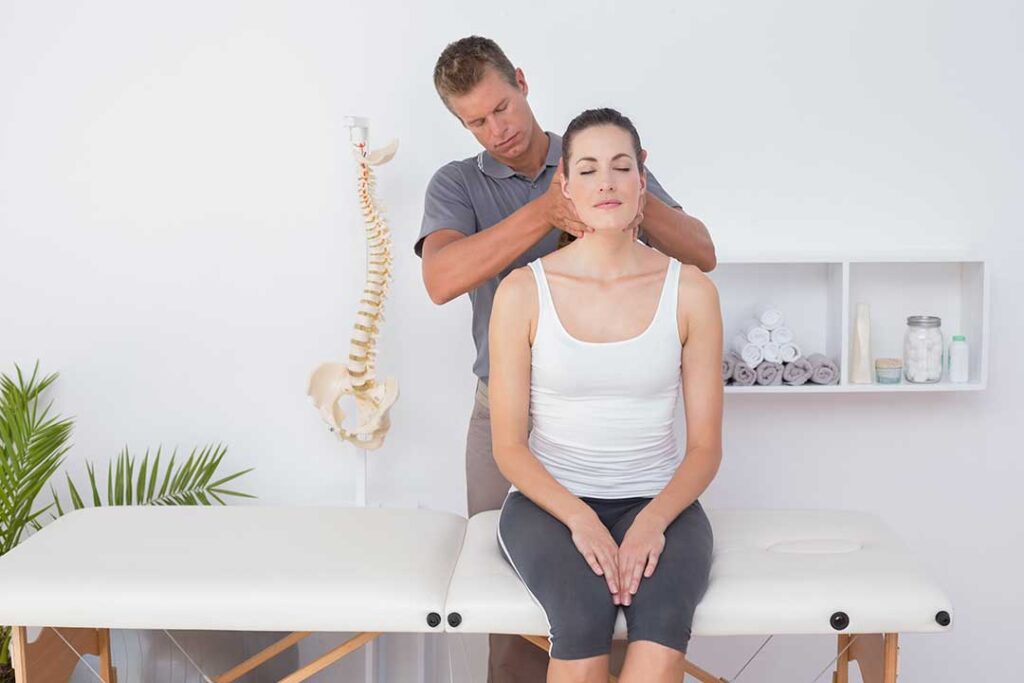
Chiropractic care may include education, movement advice, therapeutic exercise, soft-tissue techniques, mobilization, and spinal manipulation. These approaches are generally intended to improve movement, reduce sensitivity, and help a person return gradually to normal activities.
For some forms of uncomplicated back or neck-related musculoskeletal pain, spinal manipulation may provide short-term relief comparable to other conservative options. Benefits are usually modest, and results vary. Chiropractic care should be viewed as one possible component of a broader plan rather than a way to identify every cause of pain or correct all referred symptoms.
A reasonable care plan should match the findings. A person with mild, movement-related pain may be guided toward activity modification and progressive exercise. Someone with signs of nerve involvement, systemic illness, fracture risk, or an internal medical problem may need medical evaluation instead of, or before, manual treatment.
Temporary soreness, stiffness, or a brief increase in pain can occur after manipulation. People should share relevant health information, including osteoporosis, recent trauma, bleeding disorders, cancer history, infection symptoms, and significant neurological changes, before receiving manual treatment.
When should referred pain be checked urgently?
Pain requires prompt medical attention when it is accompanied by warning signs. Seek urgent evaluation for symptoms such as:
- New or worsening weakness in an arm or leg
- Loss of bladder or bowel control
- Numbness around the inner thighs or groin
- Severe pain after a fall, collision, or other significant injury
- Fever, chills, or feeling acutely ill with back or neck pain
- Unexplained weight loss or pain that is severe at night
- Chest pressure, shortness of breath, fainting, sweating, or pain spreading to the jaw or arm
- Sudden abdominal, pelvic, or flank pain with other concerning symptoms
These signs do not establish a specific diagnosis, but they can indicate a problem that should not be managed through routine musculoskeletal care alone.
What can residents do while monitoring symptoms?
For mild symptoms without warning signs, staying gently active is usually more useful than prolonged bed rest. Short walks, frequent position changes, comfortable movement, and gradual return to normal tasks may help. Avoid repeatedly testing a painful motion or forcing stretches that sharply increase symptoms.
Keep track of the pattern for several days: what brings it on, where it travels, and whether function is improving. Pain that persists, repeatedly returns, or interferes with sleep and daily activities deserves a structured evaluation. The most useful question is not only “Where does it hurt?” but also “What pattern does it follow, and what other symptoms occur with it?”
