
Knee pain can often be reduced without medication, especially when symptoms are related to overuse, mild arthritis, muscle weakness, stiffness, or movement habits. The most helpful approach is usually a combination of short-term symptom relief, gradual strengthening, low-impact activity, and attention to warning signs.
What can cause knee pain?
Knee pain has many possible causes, and the right self-care strategy depends on what is irritating the joint. Common contributors include osteoarthritis, tendon irritation, bursitis, muscle weakness, a previous injury, poor movement mechanics, and sudden increases in walking, stair use, exercise, or yard work.
Pain may also come from areas around the knee. Limited hip or ankle movement can change how force travels through the leg. Weakness in the quadriceps, hamstrings, gluteal muscles, or calf may make ordinary activities feel more demanding.
A knee that is swollen, hot, unstable, locked, or painful after a fall requires more caution than mild soreness that appears after increased activity.
How can cold or heat help knee pain?
Cold is generally more useful for recent swelling or irritation. Apply a covered cold pack for about 10 to 15 minutes, then allow the skin to return to its normal temperature. Avoid placing ice directly on the skin or falling asleep while using it.
Heat may help stiffness, particularly before gentle movement. A warm shower or heating pad on a low setting can make the knee feel more comfortable before stretching or walking. Heat is not a good choice for a visibly swollen, hot joint.
Elevation can also reduce swelling after activity. Resting the leg on pillows so the knee is above the level of the heart may be helpful for short periods.
Which exercises are safest to start with?
Gentle movement is usually better than complete rest for ongoing knee discomfort. Start with activities that produce little or no sharp pain and increase the workload gradually.
Useful starting exercises may include:
- Heel slides: Lie down or sit with the leg supported. Slowly slide the heel toward the body, then straighten the leg again.
- Seated knee extensions: Sit in a sturdy chair and slowly straighten one knee. Pause briefly, then lower the foot.
- Straight-leg raises: With one leg bent and the other straight, tighten the thigh of the straight leg and lift it several inches.
- Glute bridges: Lie on the back with knees bent. Tighten the abdominal and buttock muscles, then lift the hips slightly.
- Calf raises: Hold a stable surface and slowly rise onto the balls of the feet, then lower with control.
Begin with a small number of repetitions, such as five to ten, and stop if pain becomes sharp, causes limping, or continues to worsen after exercise. Muscle fatigue is different from joint pain. A mild stretching sensation or temporary soreness may be acceptable, but the knee should not feel increasingly irritated for the rest of the day.
Is walking good for knee pain?
Walking can be beneficial when it is introduced at a manageable level. A short, flat walk may be easier than a long outing involving hills, uneven ground, or repeated stairs. In Lynbrook, seasonal conditions can affect walking comfort: icy surfaces, wet leaves, and uneven sidewalks increase the demand on balance and the risk of slipping.
Try walking for five to ten minutes at a comfortable pace. If symptoms remain stable during the walk and settle afterward, add a few minutes every several sessions. If walking increases swelling or produces a limp, switch temporarily to a lower-impact option such as stationary cycling, water exercise, or gentle range-of-motion work.
Supportive, comfortable footwear can also reduce unnecessary strain. Shoes that are worn unevenly or lack adequate cushioning may change how the foot and leg absorb force.
How do strength and body weight affect knee symptoms?
Stronger muscles around the hip and knee help distribute load during standing, walking, stair climbing, and rising from a chair. Strengthening does not need to involve heavy weights. Resistance bands, controlled body-weight exercises, and repeated sit-to-stand movements can be effective when performed with good form.
Body weight is one factor that can influence knee loading, but weight should not be treated as the only explanation for pain. People of many body types develop knee problems, including those caused by injury, inflammation, alignment, or overuse. If weight reduction is a personal goal, gradual changes in eating habits and low-impact activity are generally more sustainable than aggressive exercise plans.
Can chiropractic care or hands-on treatment help?
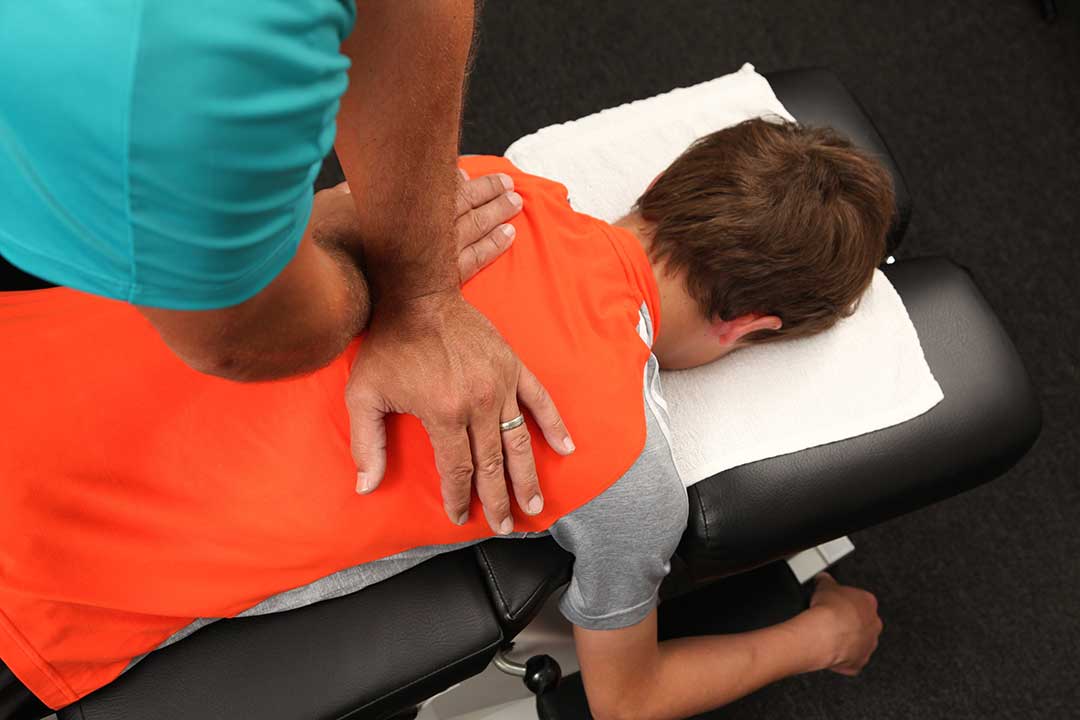
A chiropractor may assess movement in the spine, hips, ankles, and knee and may use manual techniques, mobility exercises, or guidance on activity modification. This type of care may be most relevant when stiffness or movement limitations contribute to symptoms.
Hands-on treatment should not be used to force a painful or unstable knee through motion. It also should not replace evaluation when symptoms suggest a fracture, significant ligament injury, infection, blood clot, or advanced joint disease. A careful assessment should include questions about how the pain began, whether swelling is present, and whether the knee gives way or locks.
What daily habits can reduce irritation?
Small changes can lower repeated stress on the joint:
- Use a railing on stairs, especially when the knee feels weak.
- Break up long periods of sitting with brief, easy movement.
- Avoid deep squats, kneeling, or repeated stair climbing while the knee is acutely irritated.
- Turn the whole body instead of twisting on a planted foot.
- Use a stable chair with armrests when standing from a seated position is difficult.
- Increase exercise volume slowly rather than making a large change in one weekend.
- Keep walkways clear and use extra caution on wet, icy, or uneven surfaces.
The goal is not to avoid all activity. It is to reduce aggravating loads while maintaining comfortable movement.
When should knee pain be evaluated?
Seek prompt medical evaluation after a major fall, collision, or twisting injury, especially if the knee cannot bear weight, appears deformed, or swells rapidly. Evaluation is also appropriate if the knee repeatedly gives way, locks, becomes hot and red, or causes severe pain at rest.
A health professional should assess pain that does not improve with several days of sensible home care, pain that steadily worsens, or symptoms accompanied by fever or unexplained swelling in the calf. Numbness, unusual weakness, or pain extending below the knee also deserves attention.
For mild, non-traumatic symptoms, a practical starting plan is to reduce aggravating activity, use cold or heat appropriately, perform gentle mobility exercises, and rebuild strength gradually. Keeping a simple record of walking time, swelling, stiffness, and specific triggers can help identify which activities the knee tolerates best.
