
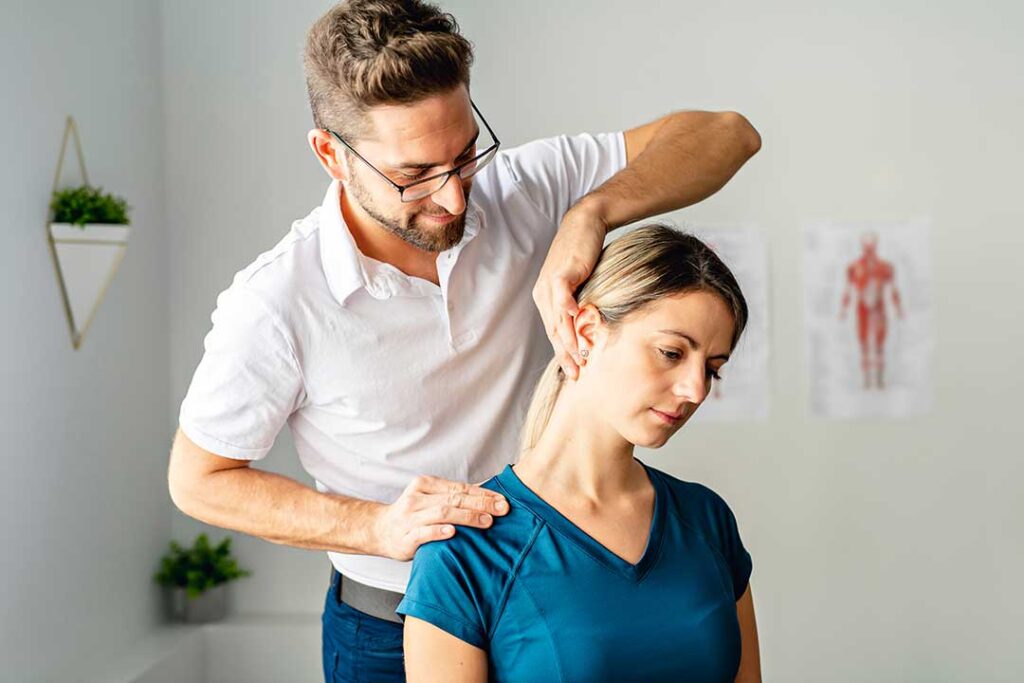
Knee pain can often be reduced without medication, especially when it is related to overuse, mild arthritis, muscle weakness, stiffness, or movement habits. The most useful approach is usually a combination of gentle activity, targeted strengthening, temporary activity changes, and attention to warning signs.
What may be causing the knee pain?
The cause matters because knee pain is not one condition. Discomfort may develop from osteoarthritis, a strain, tendon irritation, bursitis, a meniscus injury, kneecap tracking problems, or inflammation.
Pain that builds gradually with walking, stairs, or standing may be related to joint wear, reduced strength, or repetitive loading. Pain that begins after a twist, fall, or sudden change in activity may require a different approach. Swelling, locking, buckling, or a feeling that the knee cannot support the body should not be ignored.
A careful history of when the pain began, where it is located, and which activities make it worse can help identify the safest next step.
Should the knee be rested completely?
Usually, no. Short-term rest can help after a flare-up or minor injury, but complete inactivity may lead to more stiffness and weakness. A better strategy is relative rest: reduce movements that clearly worsen the pain while continuing comfortable, low-impact activity.
For example, a resident who feels pain after repeated stair use may temporarily limit unnecessary trips up and down stairs while continuing short, level walks. In homes with multiple levels, organizing frequently used items on one floor for a few days may reduce strain without stopping all movement.
Avoid pushing through sharp pain, significant swelling, or a sensation of instability.
Which exercises can help knee pain?
Strengthening the muscles around the hip and knee can improve support and make daily movement easier. Begin with a small number of repetitions and stop if pain becomes sharp, unstable, or progressively worse.
Commonly tolerated exercises include:
- Straight-leg raises: Lie on the back with one leg bent and the other straight. Tighten the thigh of the straight leg and slowly lift it several inches.
- Supported sit-to-stands: Rise from a firm chair and sit back down slowly, using the arms only if needed.
- Glute bridges: With knees bent and feet supported, gently lift the hips while keeping the movement controlled.
- Calf raises: Hold a counter or sturdy chair and slowly rise onto the balls of the feet.
- Gentle hamstring and calf stretches: Hold a comfortable stretch without bouncing or forcing the joint.
Two or three short sessions per week may be more practical than one demanding workout. If an exercise consistently increases swelling or causes pain that lasts into the next day, reduce the intensity or leave it out.
What types of activity are easier on the knees?
Low-impact activities place less repetitive stress on the joint than running, jumping, or deep squatting. Walking on level surfaces, stationary cycling, swimming, water exercise, and gentle tai chi are commonly used options.
Start with five to ten minutes if the knee has been inactive. Increase duration gradually rather than changing distance, speed, hills, and frequency all at once.
Seasonal conditions can affect activity choices in Lynbrook. Cold temperatures may make joints feel stiffer, while wet leaves, icy areas, and uneven sidewalks can increase the risk of slipping. A brief indoor warm-up, supportive footwear, and choosing clear, level walking routes can make outdoor activity safer during difficult weather.
Can heat or cold help?
Both may be useful, depending on the symptoms.
- Cold: A wrapped cold pack may help calm swelling after activity. Use it for short periods and protect the skin with a cloth.
- Heat: A warm shower, heating pad on a low setting, or warm towel may reduce stiffness before movement.
Heat should not be used on an acutely swollen knee if it makes the swelling worse. Neither heat nor cold should be applied directly to the skin or used while sleeping.
Does body weight affect knee pain?
For people carrying excess weight, gradual weight reduction can decrease the load placed on the knees and may improve comfort and function. This does not require an extreme diet. Consistent meals, adequate protein, vegetables, fiber-rich carbohydrates, and fewer highly processed snacks can support steady progress.
Weight is only one factor, and knee pain is not a personal failure. Strength, previous injuries, joint structure, activity level, sleep, and medical conditions also influence symptoms. Even before weight changes occur, low-impact exercise can help preserve muscle and mobility.
What movement habits may reduce strain?
Small adjustments can make daily tasks easier:
- Avoid sitting for long periods without changing position.
- Use a higher chair rather than a very low couch if standing is painful.
- Turn the whole body instead of twisting sharply through a planted knee.
- Keep frequently used household items within easy reach.
- Use handrails on stairs and avoid rushing.
- Wear shoes with a stable sole and adequate cushioning.
- Break demanding chores into shorter periods.
For people who stand for long periods at home or work, alternating tasks and taking brief movement breaks may be more helpful than waiting until the knee becomes very painful.
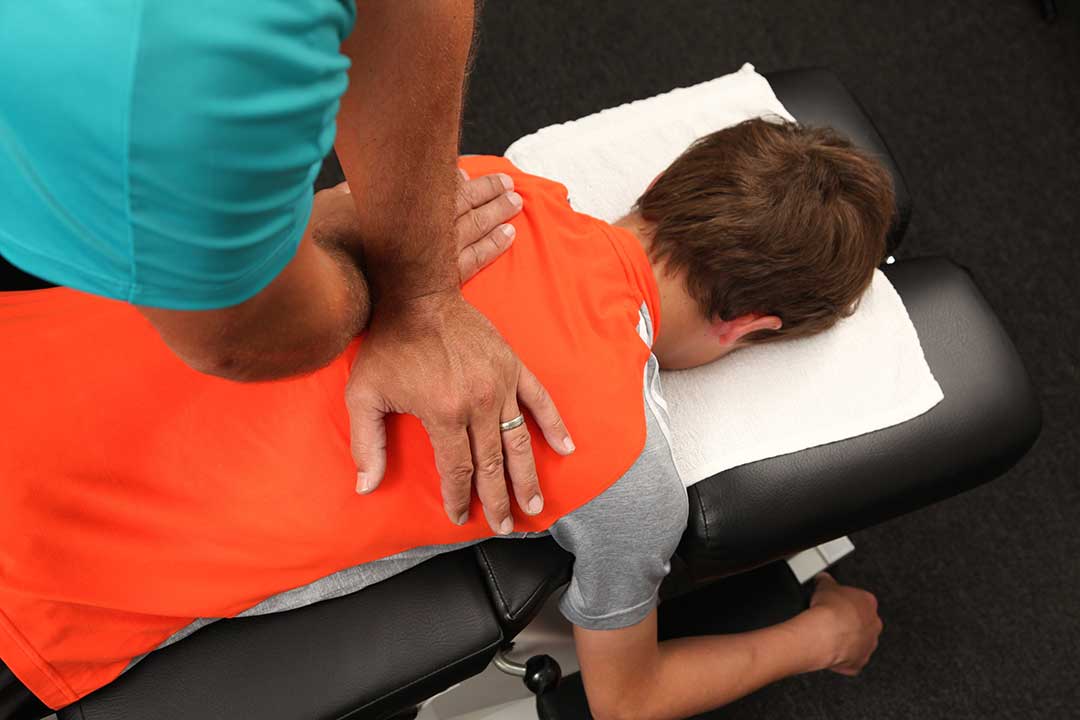
Can chiropractic care or hands-on treatment help?
Some people may experience short-term improvement from manual techniques directed at the surrounding joints and muscles, particularly when stiffness in the hip, ankle, or lower back affects walking mechanics. However, hands-on treatment should not replace evaluation when the knee is swollen, unstable, locked, or injured.
A sound care plan should include movement guidance and strengthening rather than relying only on passive treatment. The underlying cause also matters: arthritis, ligament injury, infection, gout, and referred pain require different forms of care.
When does knee pain need prompt medical attention?
Seek urgent evaluation for a knee that is severely swollen, visibly deformed, hot and red, or unable to bear weight. Prompt care is also appropriate after a significant fall or twist, especially if the knee locks, gives way, or cannot fully bend or straighten.
A fever with a hot, swollen joint may indicate an infection and requires immediate attention. Calf swelling, unusual warmth, or sudden shortness of breath also warrants urgent medical evaluation.
For less urgent symptoms, persistent pain that does not improve after several weeks of sensible activity changes, or pain that repeatedly interferes with sleep and ordinary walking, deserves assessment. Medication-free strategies can be part of treatment, but avoiding medication should not mean delaying diagnosis of a serious problem.
