
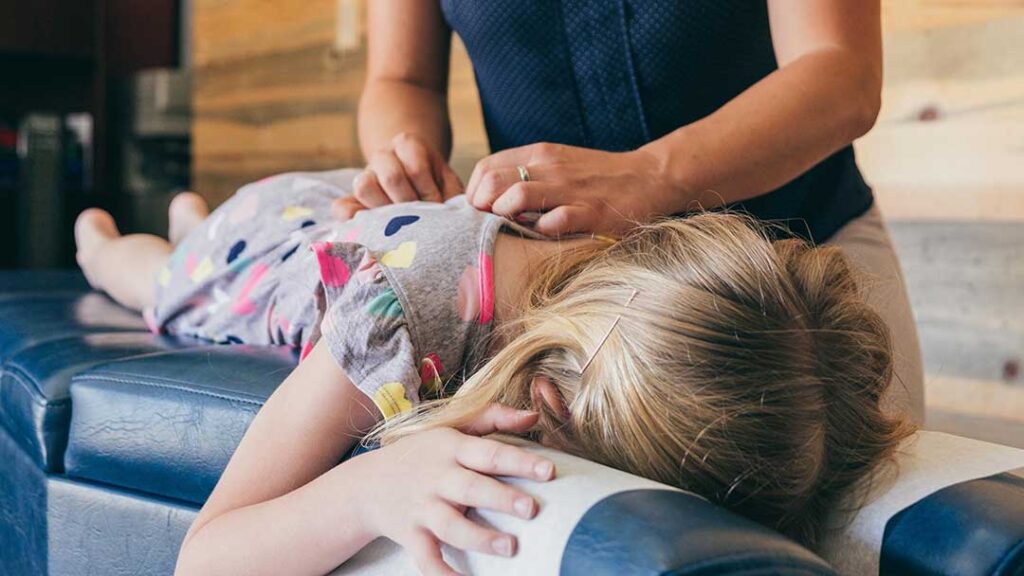
Chronic pain can affect movement, sleep, concentration, mood, and the ability to manage ordinary responsibilities. Self-care does not replace evaluation of the underlying cause, but consistent daily habits can reduce flare-ups, improve function, and make symptoms more manageable.
What counts as chronic pain?
Chronic pain generally lasts three months or longer, including pain that continues after an injury should have healed. It may involve the back, neck, joints, muscles, nerves, or several areas at once.
Pain intensity is only part of the picture. A useful self-care plan also considers:
- How far you can walk or stand
- Whether pain interrupts sleep
- Which activities trigger a flare
- How symptoms affect work, household tasks, or recreation
- Whether stress, fatigue, or mood changes pain levels
A pain diary can help identify patterns. Record the activity, duration, symptoms before and after, sleep quality, and any strategies that helped. The goal is not to monitor every sensation, but to notice useful trends over several weeks.
How should movement be used when pain is present?
Regular, tolerable movement is usually more helpful than prolonged bed rest. The safest starting point is often a low-impact activity that can be adjusted easily, such as walking, gentle cycling, water exercise, or mobility work.
Begin below the level that typically causes a flare. For example, a person who can walk for 20 minutes but feels worse afterward might begin with two 8-minute walks separated by rest. Increase time gradually only when the current level is reasonably well tolerated.
Pain during movement does not always mean harm, but sharp, rapidly worsening, or radiating pain deserves caution. Stop and reassess if an activity causes new weakness, loss of coordination, significant numbness, or symptoms that continue to escalate after stopping.
Gentle strength exercises can support the muscles around painful joints and the spine. These may include sit-to-stand movements, wall-supported exercises, light resistance work, or carefully selected core exercises. The right choice depends on the condition, age, balance, and general health.
What is pacing, and why can it reduce flare-ups?
Pacing means dividing activities into manageable portions instead of alternating between overexertion and complete rest. Many people with chronic pain feel relatively capable on a good day and try to catch up on cleaning, errands, exercise, or yard work. Symptoms may then increase for the next several days.
A steadier approach is to:
- Break household tasks into short blocks
- Alternate standing, sitting, and walking
- Take planned rests before exhaustion begins
- Use carts, reachers, or other simple aids when appropriate
- Stop at a preselected limit rather than waiting for severe pain
This can be especially useful during winter weather, when icy sidewalks, heavier clothing, and more time indoors may change normal routines in Lynbrook. Clearing a walkway, carrying snow equipment, or repeatedly climbing stairs may need to be divided into smaller tasks.
Pacing is not the same as avoiding activity. It is a way to remain active without repeatedly exceeding current capacity.
Can sleep and stress affect chronic pain?
Yes. Poor sleep can increase sensitivity to pain, reduce energy, and make ordinary activity feel more difficult. Pain can also make sleep harder, creating a cycle that reinforces both problems.
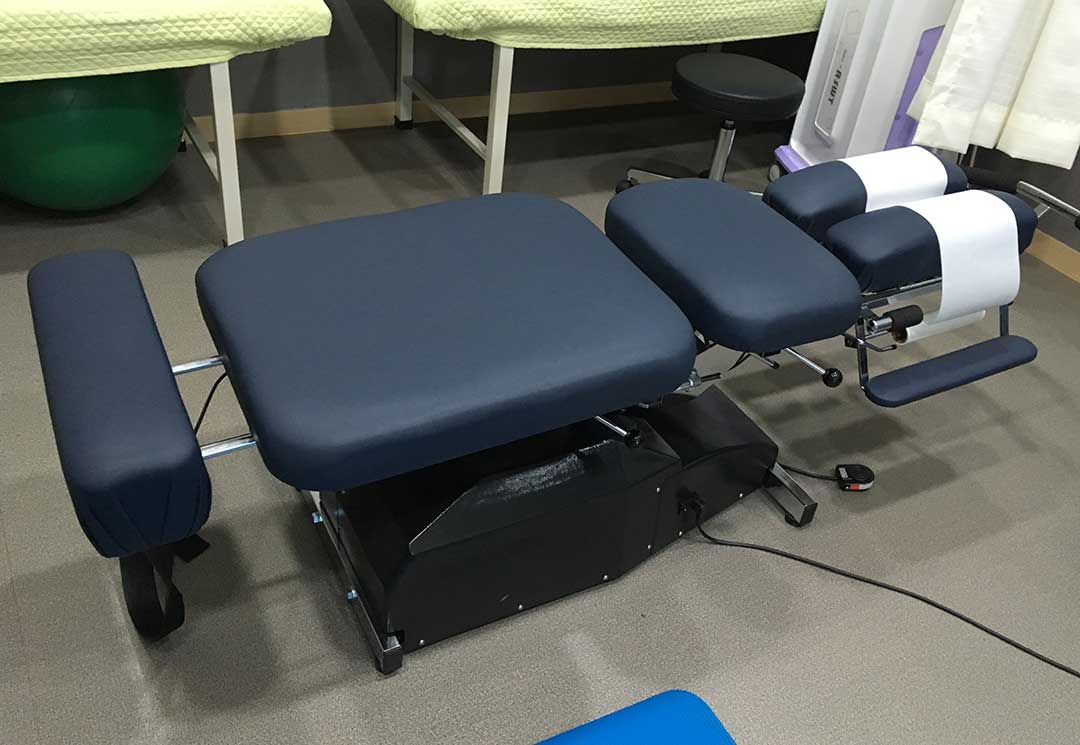
Helpful sleep habits include keeping a consistent wake time, limiting stimulating activity close to bedtime, using a comfortable and supportive sleep position, and addressing nighttime pain before it becomes severe. A bedroom that is quiet, dark, and comfortably cool may also help.
Stress does not mean pain is imaginary. Stress can increase muscle tension, alter breathing, disrupt sleep, and heighten the nervous system’s response to discomfort. Brief relaxation practices may help lower this response. Options include slow breathing, progressive muscle relaxation, guided meditation, gentle stretching, or a quiet ten-minute walk.
The most effective technique is usually the one that can be practiced regularly. Even a few minutes may be useful when repeated consistently.
Are heat and cold safe for home use?
Heat may relax tight muscles and make movement easier, while cold may temporarily reduce soreness or swelling after activity. Neither should be applied directly to bare skin or used while sleeping.
Use a cloth barrier and limit sessions to a short period. Check the skin afterward. People with reduced sensation, circulation problems, diabetes, or difficulty recognizing temperature may need specific medical guidance before using heating pads, ice packs, or hot baths.
A warm shower can be useful before gentle mobility work. Cold may be more comfortable after activity for some people, but individual response varies. These methods offer temporary symptom relief and do not identify or correct the cause of pain.
What role do medications and supplements play?
Over-the-counter pain medicines are not automatically safe for long-term or frequent use. Acetaminophen can harm the liver when taken above recommended limits or combined with other products containing acetaminophen. Nonsteroidal anti-inflammatory drugs may irritate the stomach, affect kidney function, raise blood pressure, or increase bleeding risk in some people.
Read labels carefully and consider all prescription and nonprescription medicines being taken. Extra caution is needed with a history of ulcers, kidney disease, liver disease, heart disease, blood-thinner use, pregnancy, or heavy alcohol consumption.
Supplements and herbal products can also interact with medications. “Natural” does not necessarily mean risk-free. A pharmacist or medical clinician can help review whether a product is appropriate.
How can a home environment support safer movement?
Small changes can reduce unnecessary strain without making the home feel medicalized. Keep frequently used items within easy reach, improve lighting on stairs, use nonslip mats, and avoid twisting while lifting. When carrying laundry, groceries, or other loads, divide them into smaller amounts.
For desk or remote work, change position regularly instead of searching for one perfect posture. A chair should allow the feet to rest securely, with the screen positioned so the head does not remain bent forward for long periods. Short movement breaks are usually more useful than staying still for several hours and stretching afterward.
Because many local homes and apartments have narrow stairways, compact rooms, or shared entry areas, practical adjustments may matter more than expensive equipment. Clear walking paths and keep footwear stable during wet or icy conditions.
When should chronic pain be evaluated promptly?
Self-care is not appropriate as the only response to every type of pain. Seek urgent medical attention for pain accompanied by chest pressure, severe shortness of breath, sudden weakness, new loss of bladder or bowel control, confusion, fainting, or a major injury.
Prompt evaluation is also warranted for unexplained weight loss, fever, pain that repeatedly wakes you, a history of cancer, new numbness or weakness, or symptoms that are rapidly worsening. Severe pain after a fall may require assessment even if movement remains possible.
For ongoing pain without these warning signs, evaluation can still be useful when symptoms limit sleep, work, walking, or daily activities. A clear record of symptoms, triggers, medications, and functional changes can make that discussion more productive. The aim is not simply to lower a pain score, but to understand the cause, protect function, and build a sustainable plan for daily life.
