
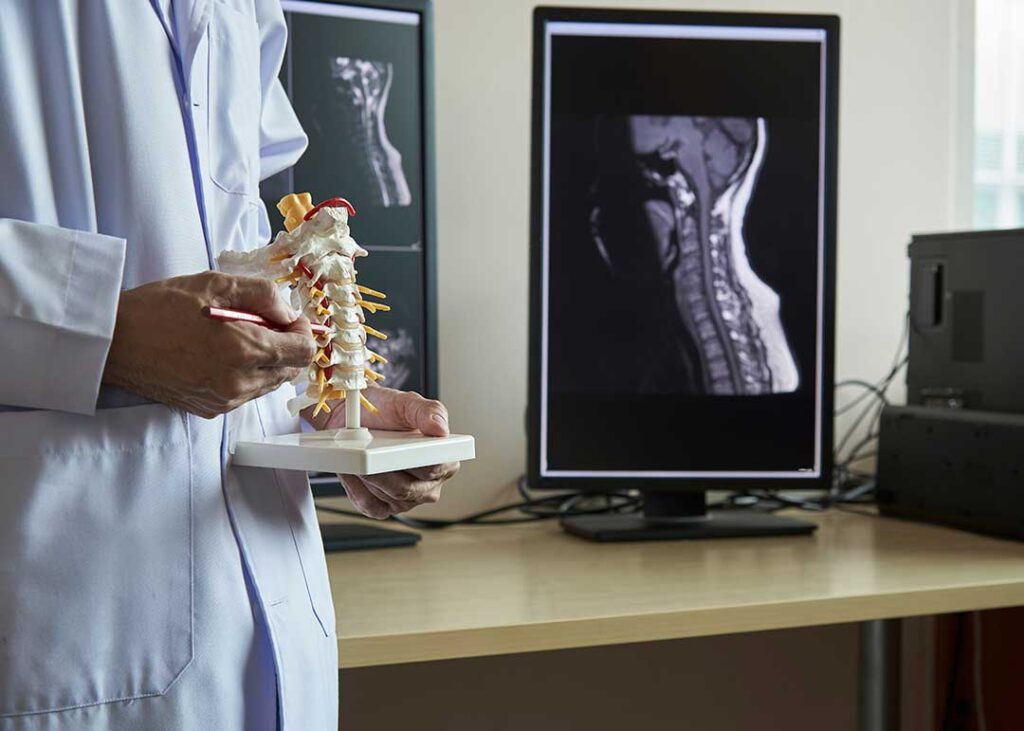
Residents comparing chiropractic care and massage therapy often want to know which option is better for back pain, neck tension, headaches, muscle soreness, or limited movement. The short answer is that the two approaches overlap, but they are not the same: chiropractic care generally focuses on assessing and treating joints, movement patterns, and the musculoskeletal system, while massage therapy primarily works with muscles and other soft tissues.
Neither approach is automatically the right choice for every type of pain. The most useful option depends on the source of the problem, the symptoms involved, personal health history, and whether the goal is improved movement, reduced muscle tension, relaxation, or short-term pain relief.
What is the main difference between chiropractic and massage therapy?
Chiropractic care typically includes a health history, physical examination, movement assessment, and manual treatment. Treatment may involve spinal or joint manipulation, mobilization, stretching, exercise guidance, or soft-tissue techniques.
Massage therapy involves hands-on work applied to muscles, tendons, fascia, and other soft tissues. Techniques may include kneading, sustained pressure, gliding strokes, stretching, or focused work on areas of tightness.
A simple comparison:
- Chiropractic care: Primarily evaluates joints, spinal motion, posture, movement, and related musculoskeletal conditions.
- Massage therapy: Primarily addresses muscle tension, soft-tissue sensitivity, stress-related tightness, and relaxation.
- Chiropractic treatment: May include a quick, controlled joint movement, although not every chiropractic visit involves manipulation.
- Massage therapy: Usually uses sustained or rhythmic pressure rather than a joint thrust.
- Both approaches: May help some people manage back, neck, or muscle-related discomfort and may be used alongside exercise or other care.
The distinction is not absolute. Some chiropractors use massage or soft-tissue techniques, and some massage therapists incorporate stretching or movement education within their professional scope.
What does a chiropractic visit usually involve?
A chiropractic visit generally begins with questions about symptoms, past injuries, medical conditions, medications, activity level, and daily limitations. The practitioner may assess spinal and joint movement, muscle function, posture, balance, or nerve-related symptoms.
Treatment varies. It may include:
- Spinal or extremity manipulation
- Gentle joint mobilization
- Stretching and range-of-motion work
- Soft-tissue treatment
- Exercises for strength, coordination, or mobility
- Advice about body mechanics and activity modification
Spinal manipulation is one technique used in chiropractic care, not the definition of every visit. It involves a controlled force applied to a joint. Some people experience temporary soreness, stiffness, or increased discomfort afterward. Serious complications are considered rare, but neck manipulation deserves particular caution because uncommon vascular and neurological problems have been reported.
A careful health history matters, especially for people with osteoporosis, bleeding disorders, recent trauma, inflammatory conditions, neurological symptoms, or other medical concerns.
What does massage therapy address?
Massage therapy is generally directed at soft tissues rather than trying to reposition spinal joints. A session may focus on the neck, shoulders, lower back, hips, legs, or another area affected by tension or repetitive use.
People commonly seek massage therapy for:
- General muscle tightness
- Stress-related neck and shoulder tension
- Soreness after physical activity
- Temporary discomfort from prolonged sitting
- Muscle fatigue
- Relaxation and improved body awareness
Different styles produce different experiences. A gentle massage may emphasize relaxation, while clinical or sports-oriented techniques may use more focused pressure. Deeper pressure is not automatically more effective, and discomfort during a session should not be treated as proof that the treatment is working.
Massage may be inappropriate or require modification for people with conditions such as blood-clotting problems, certain skin infections, recent surgery, uncontrolled medical conditions, or acute injuries. Pregnancy and cancer treatment also warrant individualized precautions.
Which is better for back or neck pain?
There is no universal winner. Research suggests that both massage therapy and spinal manipulation may provide modest relief for some people with nonspecific low-back pain, particularly when combined with movement, exercise, and practical self-management.

Chiropractic care may be more relevant when the main concern involves restricted joint motion, difficulty moving, recurring mechanical back pain, or a need for a broader musculoskeletal assessment.
Massage therapy may be more relevant when symptoms feel primarily muscular, such as tightness after long periods of sitting, physical work, driving, household tasks, or stress.
For many residents, the question is not “Which treatment is superior?” but “What seems to be contributing most to the problem?” A tight muscle may respond differently than an irritated joint, nerve-related symptom, ligament injury, or underlying medical condition.
Can chiropractic and massage therapy be used together?
They can sometimes be complementary, but combining treatments is not automatically necessary. For example, massage may reduce muscle guarding while mobility work or exercise addresses movement limitations. In other cases, adding multiple hands-on treatments may provide little additional benefit if the underlying issue is not being addressed.
A sensible plan should have a clear purpose, such as improving walking tolerance, restoring shoulder movement, reducing work-related tension, or returning gradually to normal activities. Progress should be judged by function as well as pain. Being able to sleep, sit, lift, walk, or work more comfortably may be more meaningful than feeling temporary relief immediately after treatment.
What should Lynbrook residents consider locally?
Daily routines in the community can shape musculoskeletal symptoms. Commuting, desk work, school-related activities, home maintenance, walking in cold weather, and repeated lifting or carrying can all contribute to stiffness and muscle tension. Winter conditions may also lead people to move less, spend more time indoors, or strain themselves while clearing outdoor areas.
A treatment choice should fit the actual source of strain. If pain returns after every long drive or work shift, relaxation alone may not solve the problem. Adjustments to seating, lifting technique, activity pacing, footwear, sleep position, and regular strengthening may be equally important.
It is also reasonable to ask what a treatment is intended to change, how improvement will be measured, and what alternatives exist. No approach should be presented as a cure for unrelated medical conditions.
When should pain be evaluated medically first?
Hands-on care should not delay medical evaluation when symptoms may signal a more serious problem. Prompt medical attention is appropriate for back or neck pain accompanied by:
- New or worsening weakness
- Loss of bladder or bowel control
- Numbness in the groin or inner thighs
- Fever, unexplained weight loss, or severe illness
- Pain after a significant fall or collision
- Chest pain, shortness of breath, or abdominal symptoms
- Severe headache, dizziness, trouble speaking, or vision changes
- Pain that is progressively worsening or unusually severe
People with osteoporosis, cancer history, recent surgery, infection risk, blood-clotting conditions, or significant neurological symptoms should receive individualized medical guidance before choosing manipulation or vigorous massage.
How can someone make a practical choice?
Start with the symptom pattern rather than the label of the treatment. Muscle tightness and stress-related soreness may point toward massage therapy. Restricted movement, recurring mechanical pain, or a need for musculoskeletal assessment may point toward chiropractic care. Persistent, unexplained, or complex symptoms may require evaluation by a medical clinician or another appropriately trained provider.
The safest approach is one that includes a clear explanation, respects personal comfort, accounts for medical history, and adjusts treatment when symptoms worsen. Hands-on care can be useful, but long-term improvement often also depends on gradual activity, strengthening, sleep, ergonomics, and addressing the routine that contributed to the problem.
