
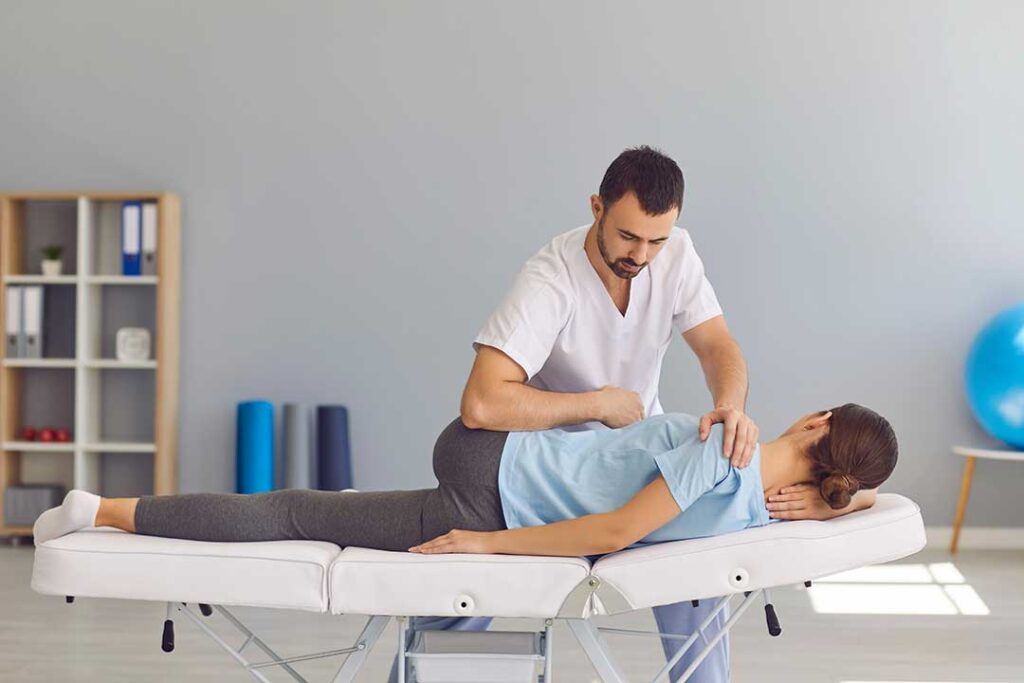
Regular spinal maintenance generally means using consistent habits to support comfortable movement, strength, mobility, and daily function. It may include exercise, posture changes, activity adjustments, and, for some people, periodic spinal care. It is not a guarantee against pain, injury, or age-related changes.
For residents of Lynbrook, regular movement can be especially useful when daily routines involve commuting, desk work, household responsibilities, walking, lifting, or long periods indoors during cold or wet weather. The goal is not to keep the spine in a perfect position. The goal is to help the back and neck tolerate ordinary demands more comfortably.
What does spinal maintenance actually involve?
Spinal maintenance is a broad term rather than a single treatment. A practical plan may include:
- Regular walking or other low-impact aerobic activity
- Exercises that strengthen the hips, abdomen, back, and upper body
- Mobility work for the spine, hips, shoulders, and legs
- Breaks from prolonged sitting or standing
- Safer lifting and carrying habits
- Attention to sleep, stress, and recovery
- Manual therapy or spinal manipulation when appropriate for a specific problem
A maintenance plan should reflect a person’s symptoms, age, health history, work demands, activity level, and goals. Someone who sits at a computer most of the day may need frequent movement breaks, while someone who lifts children, carries groceries, gardens, or performs physical work may need more emphasis on strength and lifting technique.
Can regular care prevent back pain?
Not reliably. Regular spinal care may help some people manage recurring discomfort or maintain function, but evidence does not support the idea that routine adjustments can prevent every future episode of back pain.
Back pain can result from many factors, including muscle strain, joint irritation, disc changes, reduced strength, sudden increases in activity, poor sleep, stress, illness, or injury. A person may follow excellent habits and still experience pain. Maintenance is best understood as risk management and functional support—not a promise that symptoms will never occur.
Exercise and general physical activity have a stronger role in long-term spine health than simply receiving passive treatment. Manual care may be useful for selected symptoms, particularly when combined with movement and self-management.
What benefits may people notice?
The most realistic benefits are often practical rather than dramatic. Regular maintenance may help a person:
Move more comfortably
Mobility exercises and strengthening can make everyday movements—such as getting out of a chair, turning, climbing stairs, or reaching overhead—feel less restricted.
Improve tolerance for daily activities
A stronger and better-conditioned body may handle walking, work tasks, household chores, and recreational activities with less fatigue. This does not mean pain will disappear, but it may become easier to remain active.
Manage episodes of low back or neck pain
Spinal manipulation and other hands-on approaches may provide modest short-term improvement for some people with uncomplicated low back pain. Results vary, and these approaches are not equally appropriate for every condition.
Reduce fear of movement
After an injury or painful episode, people sometimes avoid normal movement because they expect it to cause harm. Gradual activity, education, and appropriate exercise can help rebuild confidence while respecting symptoms.
Identify problems that need a different type of care
A careful evaluation may reveal that symptoms are not primarily related to ordinary mechanical back pain. In those cases, the appropriate next step may involve medical assessment, imaging, medication review, or another form of care.
Is “alignment” the main reason to maintain the spine?
Usually, no. The spine is not expected to remain perfectly straight or symmetrical. Small differences in posture and movement are common and do not automatically indicate damage.
A more useful focus is how the body functions. Questions such as these are often more meaningful than whether the spine appears “out of alignment”:
- Can the person walk, sit, sleep, and work comfortably?
- Is strength improving or declining?
- Does movement become easier over time?
- Are symptoms stable, improving, or spreading?
- Can normal activities be resumed safely?
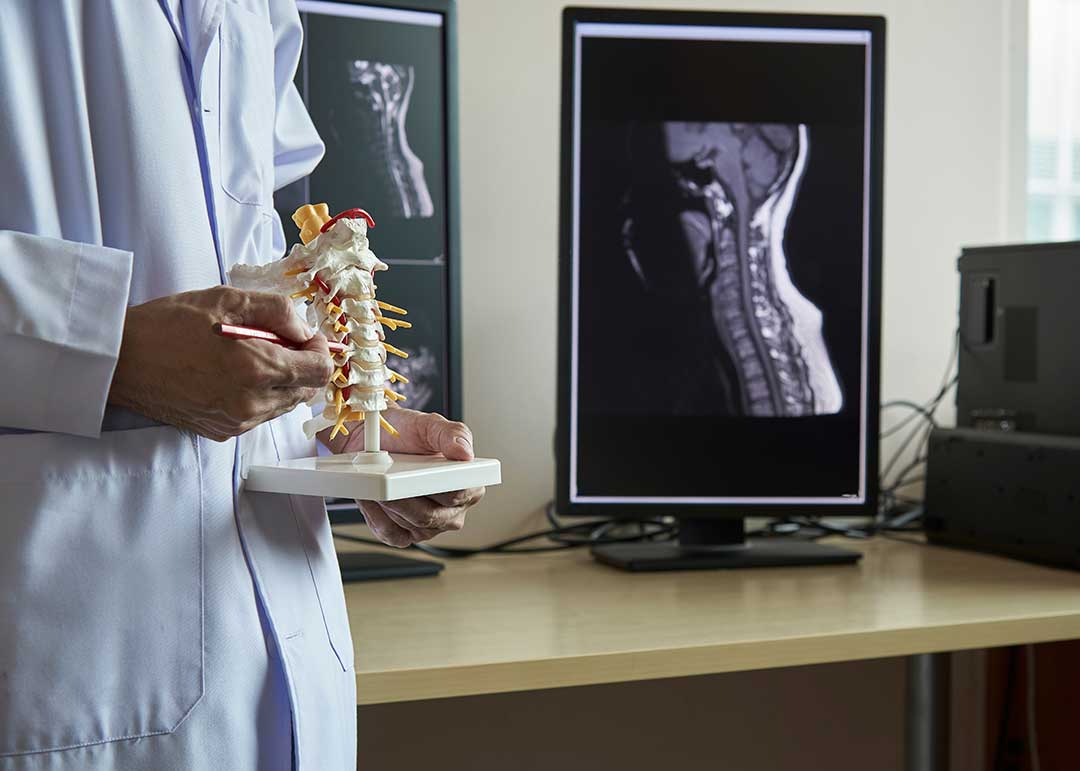
Hands-on care may change joint motion or reduce muscle tension, but the benefit should be judged by improved function and symptoms rather than by promises about permanently repositioning the spine.
How often should someone receive spinal maintenance?
There is no universal schedule that applies to everyone. Frequency should depend on the reason for care, the person’s response, and whether progress continues between visits.
For someone recovering from a recent strain, care may be more frequent for a limited period and then reduced as function improves. A person without symptoms may gain more from exercise, walking, ergonomic changes, and occasional reassessment than from an automatic treatment schedule.
A useful maintenance plan should answer three questions:
1. What problem is being addressed?
2. What measurable change is expected?
3. How will the plan be adjusted if progress stops?
If symptoms and function are not improving, continuing the same routine indefinitely deserves reconsideration.
What can local residents do between visits or during busy seasons?
Seasonal habits can affect spinal comfort. Cold weather may lead to less outdoor activity, while winter chores, moving items, or sudden bursts of exercise can place extra demand on the back. Indoor routines can also involve extended sitting.
Helpful habits include:
- Take brief movement breaks during desk work, driving, or screen time.
- Warm up before vigorous exercise, shoveling, lifting, or recreational activity.
- Keep loads close to the body and avoid twisting while carrying them.
- Increase activity gradually after periods of inactivity.
- Use walking, resistance training, or water-based exercise as tolerated.
- Change positions regularly instead of trying to hold one “perfect” posture.
- Treat sleep and recovery as part of physical maintenance.
These habits are generally more sustainable than relying on a single intervention to offset long periods of inactivity.
When is spinal maintenance not appropriate as the first step?
New, severe, or unusual symptoms should not automatically be treated as routine mechanical pain. Prompt medical evaluation is warranted for back or neck pain accompanied by significant weakness, loss of coordination, numbness in the groin area, new difficulty controlling urination or bowel movements, fever, unexplained weight loss, major trauma, or a history of serious disease.
Pain that travels down an arm or leg, progressively worsens, or does not improve with reasonable self-care may also require a broader evaluation. Neck manipulation deserves particular caution for people with certain medical conditions, and treatment choices should be based on an individual risk assessment.
What is the most balanced way to think about spinal maintenance?
Regular spinal maintenance can support mobility and help some people manage recurring pain, but it works best as part of a larger health routine. Exercise, gradual activity, sound lifting habits, adequate recovery, and attention to warning signs are central elements.
The most useful plan is specific, measurable, and flexible. It should help a person do more comfortably—not create dependence on a fixed schedule or promote the belief that every ache reflects a spinal misalignment.
