
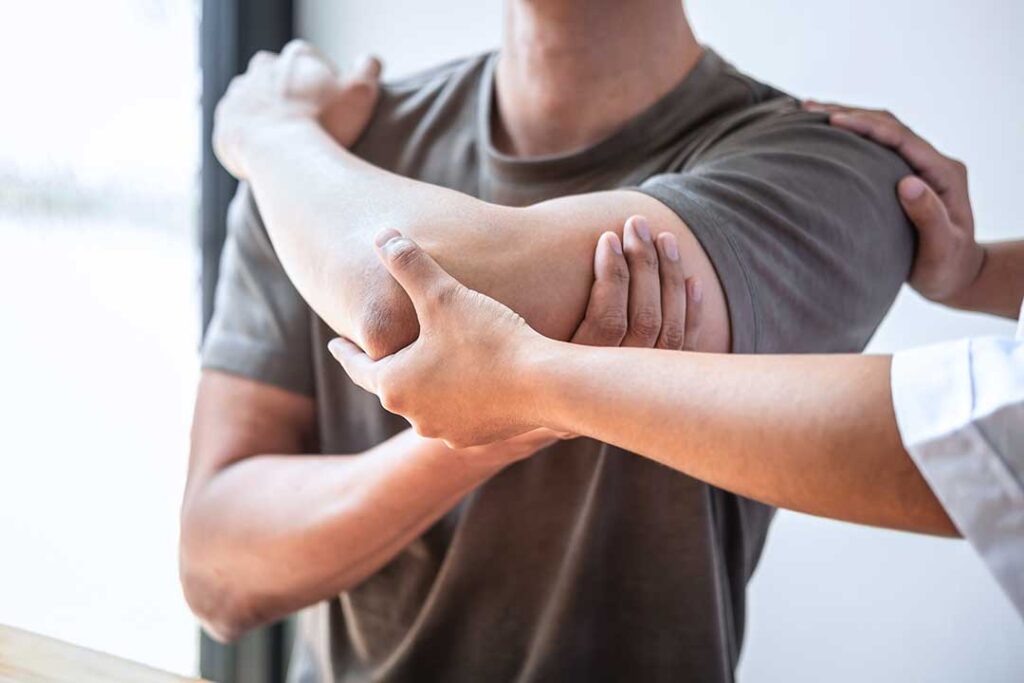
Joint sounds can be surprising, especially when they come from the neck, back, knees, shoulders, or fingers. In most cases, painless cracking is a normal mechanical event rather than a sign that a joint is being damaged. The sound alone usually matters less than what accompanies it: pain, swelling, weakness, stiffness, injury, or loss of movement.
For residents in Lynbrook, NY, joint noises may become more noticeable during cold weather, after long periods of sitting, or when seasonal routines change. A person who spends more time indoors, commutes, works at a desk, or becomes less active during winter may notice stiffness and popping without having a serious joint problem.
What actually causes a joint to crack?
Most joint sounds come from one of several ordinary processes. A common cause is a rapid pressure change inside a joint filled with synovial fluid. When the joint surfaces are gently pulled apart or moved, dissolved gases can shift and create a popping sound.
Other noises occur when tendons or ligaments move across nearby bone. This may sound like a snap or flick, particularly around the hip, knee, ankle, shoulder, or wrist. The sound can be more noticeable after inactivity because muscles and connective tissues may feel temporarily tight.
A grinding or crunching sound is different from a single pop. It may result from rougher surfaces, changes in cartilage, inflammation, or age-related wear. Even then, sound without pain does not automatically mean serious damage.
Does cracking your knuckles cause arthritis?
Available evidence does not show that ordinary knuckle cracking causes arthritis. People who crack their knuckles are not generally found to have worse hand function, grip strength, or range of motion simply because they make the habit.
The concern is more about force and technique than the sound itself. Pulling, bending, or twisting a finger aggressively can irritate soft tissues. Repeatedly forcing a joint beyond its comfortable range may also contribute to soreness or instability.
A useful distinction is this:
- Painless, occasional cracking is usually not a concern.
- Cracking that is forced, painful, or followed by swelling deserves attention.
- A joint that repeatedly catches, locks, or gives way should not be dismissed as harmless noise.
Is it safe to crack your neck or back?
Gentle, natural movement that produces an occasional pop is generally less concerning than forceful self-manipulation. However, the neck contains important nerves and blood vessels, so rapid or aggressive twisting is not risk-free.
Avoid using strong pressure, sudden rotation, or repeated force to make the neck crack. Stop if the movement causes pain, dizziness, nausea, headache, numbness, tingling, weakness, or changes in vision.
Back cracking can also become a habit when a person is trying to relieve stiffness caused by prolonged sitting, driving, lifting, or an awkward sleeping position. The temporary feeling of relief does not necessarily identify or correct the underlying cause. If the back needs to be cracked repeatedly throughout the day to feel comfortable, the pattern may point to muscle fatigue, limited mobility, poor positioning, or an unresolved injury.
Why do joints crack more after sitting or waking up?
Joints often feel noisier after inactivity because muscles and connective tissues are less warmed up. This can happen after sleeping, working at a computer, riding in a car, or sitting through a long meeting.
In a dense suburban community such as Lynbrook, daily routines may combine commuting, desk work, household tasks, and limited movement between activities. A joint that pops when standing after sitting does not necessarily have a structural problem. Gentle movement often helps the body transition more comfortably.
Helpful habits include:
- Changing position every 30 to 60 minutes.
- Taking short walking or movement breaks.
- Using comfortable, supportive footwear for routine walking.
- Warming up before recreational exercise.
- Building strength gradually rather than suddenly increasing activity.
- Moving joints through a comfortable range without forcing a crack.
Cold, damp weather may make stiffness feel more noticeable for some people, although weather alone does not prove that a joint is being damaged. Persistent symptoms should be judged by their duration, severity, and effect on daily activities rather than by temperature or humidity alone.
When is joint cracking a warning sign?
Joint noise deserves medical attention when it occurs with symptoms that suggest irritation, injury, or inflammation. Warning signs include:
- Pain during or after the crack.
- Swelling, warmth, redness, or tenderness.
- A joint that locks, catches, or repeatedly gives way.
- New weakness, numbness, or tingling.
- Reduced ability to bend, straighten, walk, grip, or lift.
- A loud pop immediately after a fall, collision, twist, or other injury.
- Symptoms that steadily worsen or interfere with sleep and ordinary tasks.
A sudden painful pop during sports, exercise, lifting, or a fall may indicate damage to a ligament, tendon, cartilage, or bone. The joint may need prompt evaluation, especially if there is visible deformity, major swelling, inability to bear weight, or loss of normal movement.
Neck symptoms require extra caution. Severe headache, dizziness, facial drooping, difficulty speaking, weakness on one side, or trouble walking after neck trauma or forceful manipulation requires emergency care.
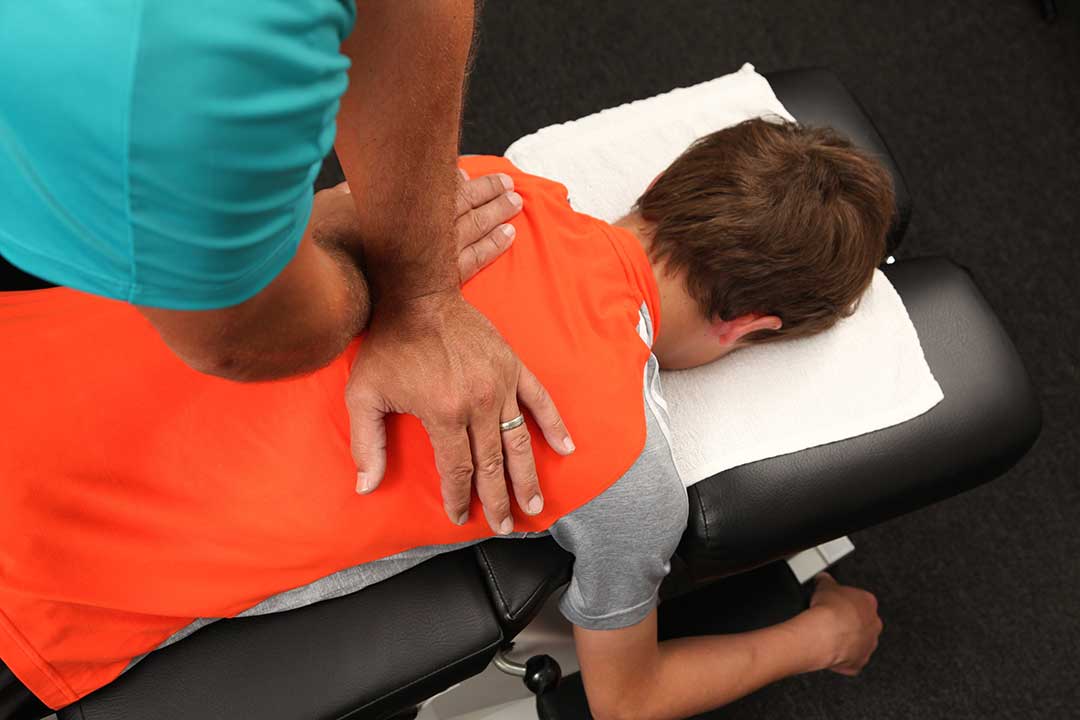
Does joint cracking mean a chiropractic adjustment is needed?
No. Joint noise by itself does not establish that a joint is “out of place,” that a bone is misaligned, or that an adjustment is medically necessary. A popping sound may occur during many ordinary movements, including stretching, standing, or turning.
The sound also does not prove that a treatment worked. Improvement should be judged by meaningful changes such as less pain, better movement, improved function, or a safer return to normal activities.
If a person has ongoing pain, recurring stiffness, or movement limitations, the useful question is not simply, “How can this joint crack?” It is, “What is causing the symptom, and what approach is appropriate?” Depending on the situation, evaluation may involve a medical history, physical examination, exercise guidance, activity changes, or additional testing.
What should residents do about painless cracking?
Painless cracking that does not limit movement usually requires observation rather than treatment. Avoid forcing the sound, stay physically active within comfortable limits, and pay attention to changes over time.
Keep track of whether the noise is new, whether it occurs in one specific joint, and whether it is linked with swelling, injury, or reduced function. A brief symptom record can help distinguish an occasional harmless pop from a pattern that needs assessment.
The central fact is simple: a joint can be noisy without being unhealthy, and a quiet joint can still be painful or injured. The combination of sound, symptoms, movement, and recent activity provides a much clearer picture than the noise alone.
