

What does mobility mean for older adults?
Mobility is more than walking without assistance. It includes standing from a chair, turning the head while crossing a street, climbing stairs, reaching into a cabinet, getting in and out of a car, and moving safely around the home.
For older adults in Lynbrook, NY, maintaining mobility can support independence and participation in daily life. Seasonal weather may also make movement more challenging. Cold temperatures can increase stiffness, while snow, ice, wet pavement, and uneven walkways can raise the risk of slips and falls.
Chiropractic care may support mobility by addressing joint movement, muscle tension, spinal function, and movement habits. It should be viewed as one part of a broader plan that may also include strengthening, balance training, medical care, and home safety improvements.
How can chiropractic care help with movement?
Chiropractic care commonly focuses on the relationship between the spine, joints, muscles, and nervous system. For some seniors, gentle hands-on care may temporarily reduce stiffness or discomfort, making ordinary movements easier.
A careful assessment may look at:
- Spinal and joint range of motion
- Posture while sitting, standing, and walking
- Muscle tightness or weakness
- Balance and coordination
- The way pain affects movement
- Difficulty with specific activities, such as bending or rising from a chair
Treatment may include gentle mobilization, soft-tissue techniques, stretching guidance, and movement education. High-velocity techniques are not appropriate for everyone, particularly people with certain bone, vascular, neurological, or joint conditions. The approach should be adjusted to the person’s age, health history, medications, bone strength, and comfort level.
The goal is not to force a joint beyond its normal range. A more appropriate goal is to help a person move with less guarding, better control, and greater confidence.
Can it help with back, neck, or joint stiffness?
It may help some older adults manage musculoskeletal discomfort, especially when stiffness limits normal activity. Low-back pain, neck stiffness, and restricted movement in the hips or upper back can affect walking speed, posture, and balance.
For example, a person with painful low-back movement may take shorter steps and avoid turning. Over time, reduced activity can lead to further weakness and loss of confidence. Addressing discomfort while gradually restoring safe movement may help interrupt that pattern.
Results vary. Chiropractic care does not reverse osteoporosis, repair severe arthritis, or cure neurological disorders. It also should not be used to delay evaluation of unexplained pain, progressive weakness, or a sudden change in walking ability.
Does chiropractic care prevent falls?
Chiropractic treatment alone should not be considered a complete fall-prevention program. Falls are influenced by many factors, including leg strength, balance, vision, footwear, medications, blood pressure changes, home hazards, and neurological or cardiovascular conditions.
Mobility care may contribute indirectly by helping a person move more comfortably and maintain activity. However, fall prevention usually requires several strategies:
- Strengthening the legs and hips
- Practicing balance under safe supervision
- Improving walking and turning skills
- Reviewing medications that may cause dizziness or drowsiness
- Checking vision and hearing
- Removing loose rugs, clutter, and poorly positioned cords
- Improving lighting on stairs, hallways, and entrances
- Using handrails and supportive footwear
Exercise that combines walking or other aerobic activity with strength and balance work is especially valuable for preserving function. A short, consistent routine is often more useful than occasional strenuous exercise.
What should seniors expect during an evaluation?
A responsible evaluation should begin with questions, not treatment. The history may include previous falls, osteoporosis, fractures, surgeries, cancer, blood-thinning medication, dizziness, numbness, weakness, and other medical conditions.
Movement may be observed during simple activities such as walking, standing, sitting, turning, or lifting an arm. The purpose is to understand which movements are limited and whether the limitation appears related to pain, stiffness, weakness, or balance.
Older adults should share a current medication list and mention any recent changes in health. Medications for blood pressure, sleep, anxiety, pain, or other conditions can affect alertness and balance. This information helps determine whether chiropractic care is appropriate and whether coordination with another healthcare professional is needed.
Are chiropractic adjustments safe for seniors?
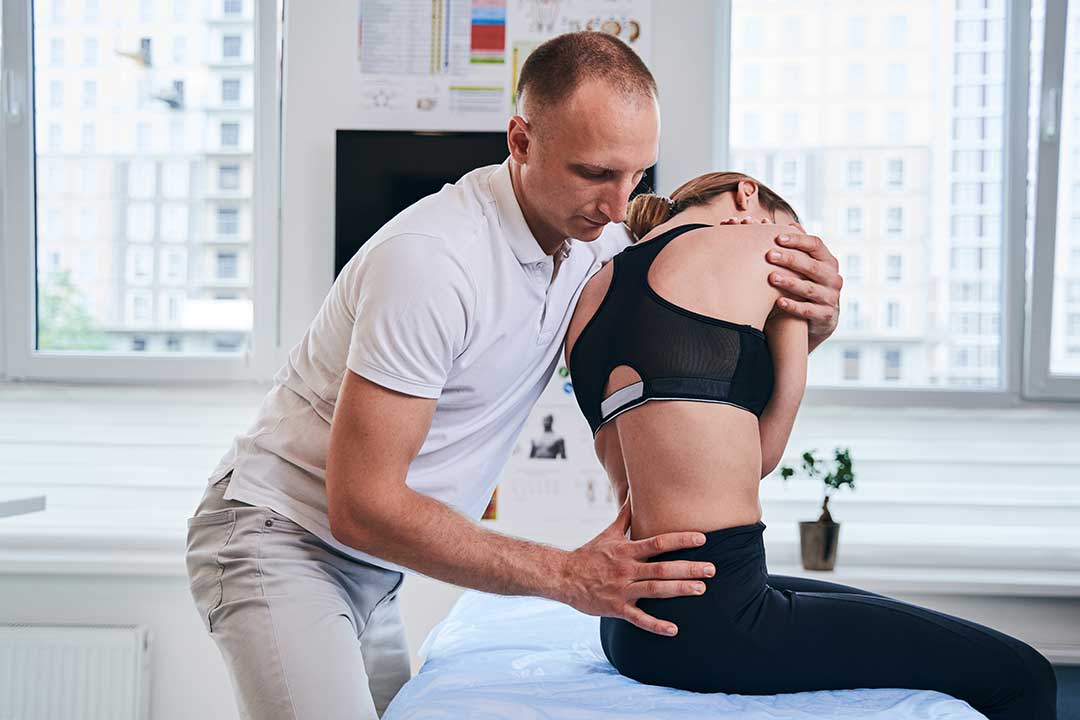
Many older adults tolerate appropriately selected, gentle care, but age alone does not determine safety. Bone density, joint stability, spinal conditions, vascular health, and medication use all matter.
Mild soreness, temporary stiffness, or increased discomfort can occur after manipulation or mobilization. More serious complications are uncommon but possible, and risk may be higher when a person has an underlying condition affecting the bones, blood vessels, nerves, or joints.
Extra caution is appropriate for anyone with:
- Known or suspected osteoporosis
- A recent fracture or significant fall
- Progressive numbness or weakness
- Severe or unusual headache
- Recent surgery
- Fever, unexplained weight loss, or a history of cancer with new pain
- Loss of bladder or bowel control
- Sudden difficulty speaking, walking, or coordinating movement
These symptoms require medical evaluation rather than routine mobility treatment.
How can seniors support mobility at home?
Chiropractic care is more likely to be useful when paired with regular, safe movement. Long periods of sitting can increase stiffness, so changing position frequently may help. Gentle walking, prescribed strengthening exercises, and range-of-motion movements can maintain progress between visits.
In a typical Lynbrook home, practical details may matter as much as treatment. Narrow pathways, stairs, throw rugs, wet entryways, and furniture placed close together can affect safe movement. During winter, outdoor surfaces may require slower walking, secure footwear, and extra attention to entrances and steps.
A simple daily check can include:
- Can standing from a chair be done safely?
- Is walking becoming slower or more unsteady?
- Is pain causing avoidance of normal activities?
- Has there been a recent fall or near-fall?
- Are shoes, lighting, and walkways still appropriate?
A noticeable decline in mobility deserves timely attention. The most effective plan may involve coordinated care among medical, rehabilitation, and movement professionals, depending on the cause of the problem.
