
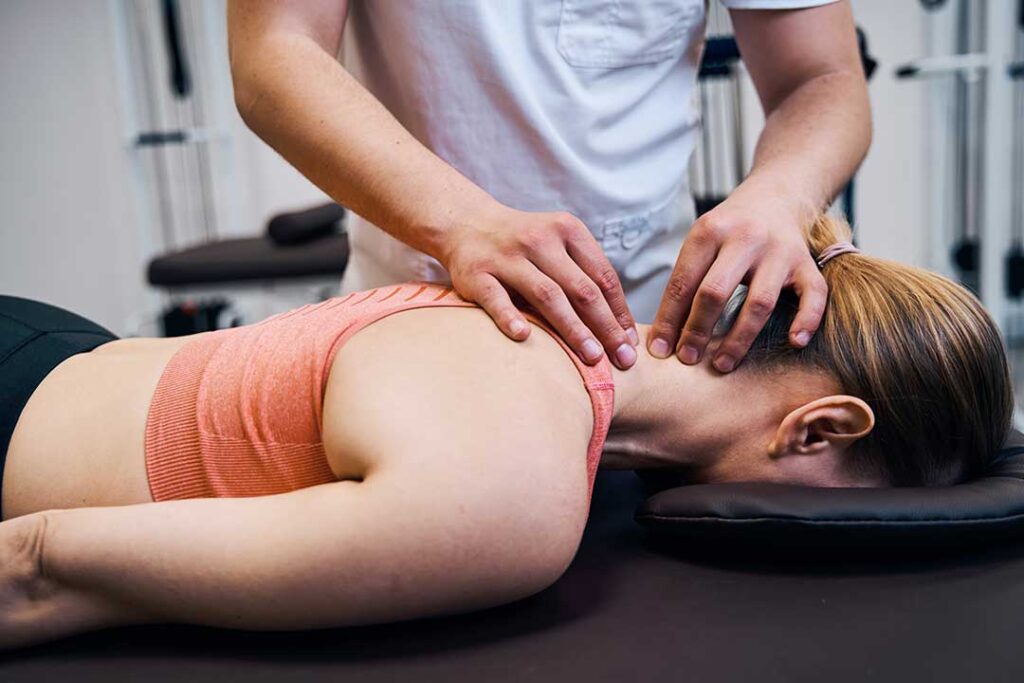
Healthy aging is not simply about avoiding illness. It also means preserving the ability to walk comfortably, get up from a chair, carry groceries, use stairs, sleep well, and participate in everyday activities. Chiropractic care may support these goals when it is used as part of a broader plan that includes exercise, medical care, fall prevention, and healthy daily habits.
What does chiropractic care have to do with healthy aging?
Chiropractic care primarily addresses the musculoskeletal system, including the spine, joints, muscles, and related movement patterns. For some older adults, treatment may help reduce pain or stiffness that makes regular activity more difficult.
That distinction matters. Chiropractic care does not stop the normal aging process, reverse osteoporosis, or treat conditions such as heart disease, cancer, or dementia. Its potential role is more specific: helping some people manage back, neck, or joint-related problems so they can move more comfortably and remain physically active.
Research on spinal manipulation supports modest improvements in pain and function for certain types of low-back pain. Other approaches commonly used in chiropractic settings may include gentle mobilization, stretching, strengthening exercises, posture education, and advice about movement habits.
The appropriate approach depends on a person’s health history, medications, bone health, symptoms, and goals.
How can improved mobility support independence?
Mobility is closely connected to independence. Pain or restricted movement may lead a person to avoid walking, household tasks, recreation, or social activities. Over time, less activity can contribute to weaker muscles, reduced balance, and greater difficulty with everyday tasks.
Improving comfort may make it easier to:
- Walk for exercise or transportation
- Stand from a chair or bed
- Turn, reach, and bend safely
- Climb stairs
- Carry light household items
- Maintain hobbies and social routines
- Perform basic home maintenance
For residents in a relatively compact suburban community, daily movement may involve sidewalks, steps, public transportation, driving, shopping, or walking between nearby destinations. Maintaining the ability to move safely across these settings can be more meaningful than pursuing an abstract fitness goal.
Chiropractic treatment may be one part of that process, but lasting mobility usually depends on regular physical activity and progressive strengthening.
Can chiropractic care help with balance and fall prevention?
Chiropractic adjustments alone should not be described as a complete fall-prevention program. Falls are influenced by many factors, including leg strength, vision, footwear, medication side effects, blood pressure changes, home hazards, and balance reactions.
A well-rounded plan may address movement restrictions while also including exercises for:
- Leg and hip strength
- Core control
- Balance while standing and walking
- Flexibility
- Coordination
- Safe transitions, such as rising from a chair
Older adults are generally encouraged to combine aerobic activity, muscle-strengthening activity, and balance exercises. Examples include walking, resistance-band exercises, sit-to-stand practice, heel-to-toe walking, tai chi, and carefully modified strength training.
Balance activities should be performed near a stable surface, especially when a person has already fallen or feels unsteady. A physical therapist or another qualified clinician may be better suited to provide detailed fall-risk assessment and rehabilitation when balance problems are significant.
What changes with age that should influence care?
Older adults may have conditions that require more cautious assessment before spinal manipulation or vigorous exercise. These can include osteoporosis, arthritis, spinal stenosis, previous fractures, joint replacements, blood-clotting problems, neurological disorders, or a history of cancer.
Medications also matter. Blood thinners, sedatives, blood-pressure medications, and some sleep medicines may affect bruising, alertness, dizziness, or fall risk.
A careful health history should include:
- Previous falls or fractures
- Recent surgery or hospitalization
- Osteoporosis or low bone density
- Numbness, weakness, or changes in coordination
- Use of blood-thinning medication
- Unexplained weight loss or persistent fatigue
- New or rapidly worsening pain
Gentle treatment may be appropriate for some people, while others may need medical evaluation, diagnostic testing, physical therapy, or a different form of care.
Is spinal manipulation safe for older adults?

Spinal manipulation can cause temporary soreness, stiffness, headache, or increased discomfort. Serious complications are considered rare, but risk may be higher when a person has underlying health problems that affect bones, blood vessels, nerves, or healing.
Neck manipulation deserves particular caution because sudden neck movement may not be appropriate for everyone. An older adult should share a complete medical history and medication list before treatment. The goal should be individualized care rather than a standard technique applied to every person.
Immediate medical evaluation is appropriate for symptoms such as:
- Sudden weakness or numbness
- Loss of coordination
- New trouble speaking or seeing
- Severe or unusual headache
- Loss of bladder or bowel control
- Fever with severe back pain
- Pain following a significant fall
- Chest pain or shortness of breath
These symptoms may indicate a medical emergency rather than a routine musculoskeletal problem.
How can local seasonal conditions affect healthy movement?
Seasonal conditions can influence activity and fall risk. Cold temperatures may increase stiffness, while rain, leaves, ice, or uneven walking surfaces can make outdoor movement less secure. People may also become less active during periods of uncomfortable weather, leading to deconditioning.
Practical adjustments include warming up indoors, wearing stable footwear, using handrails, improving entryway lighting, and keeping walkways clear. During periods when outdoor walking is unpleasant, indoor options may include marching in place, repeated chair stands, gentle resistance exercises, or walking through a safe indoor setting.
Homes with stairs, narrow passages, loose rugs, or dim hallways deserve special attention. Fall prevention is not limited to treatment; it also involves making the environment easier to navigate.
What should a healthy-aging movement plan include?
A realistic plan usually begins with the person’s current abilities rather than an ideal exercise target. Someone experiencing pain may start with short walks, brief mobility exercises, or a few controlled chair stands and gradually increase activity.
A balanced weekly routine may include:
- Moderate walking or another aerobic activity
- Strength exercises at least twice weekly, adjusted for ability
- Balance practice several times per week
- Gentle flexibility work
- Rest and recovery after demanding activity
- Adequate protein, hydration, and sleep
Chiropractic care may help address pain or movement limitations that interfere with this routine. It should complement, not replace, primary medical care, prescribed treatment, exercise, nutrition, vision care, and fall-risk assessment.
Healthy aging is best supported by preserving function over time. For many older adults, the most useful measure of progress is not whether the spine appears perfectly aligned, but whether daily movement becomes safer, more comfortable, and more sustainable.
