
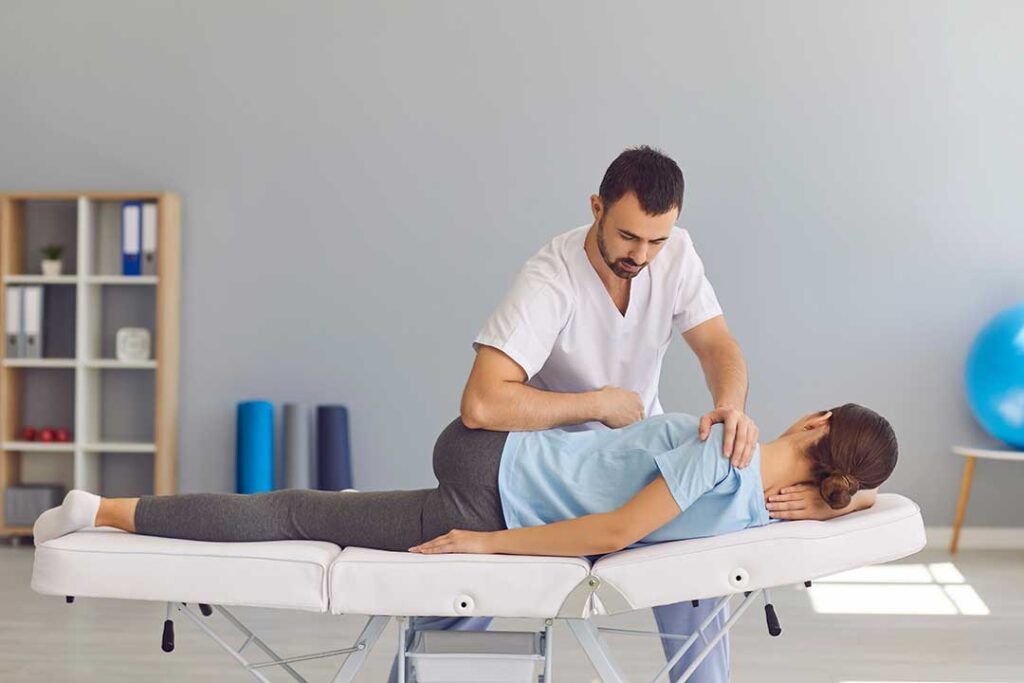
Sciatica can cause burning, aching, tingling, or electric-shock-like pain that travels from the lower back or buttock into the thigh, calf, or foot. For many people in Lynbrook, NY, symptoms improve gradually with sensible movement, temporary activity changes, and simple home measures. However, certain warning signs require prompt medical evaluation.
What does sciatica feel like?
Sciatica is a symptom of irritation or compression involving the sciatic nerve or the nerve roots that form it. It commonly affects one side of the body and may include:
- Pain that travels from the low back or buttock down the back of the leg
- Numbness or pins-and-needles sensations
- Weakness in the leg, ankle, or foot
- Pain that worsens with prolonged sitting, coughing, sneezing, or bending
Sciatica is different from ordinary muscle soreness because the discomfort often follows a line into the leg. Several conditions can contribute, including a bulging or herniated disc, narrowing around the spinal nerves, age-related spinal changes, or irritation of muscles near the hip.
The name “sciatica” describes the symptom pattern, not one specific diagnosis. Persistent or recurring symptoms should be assessed with the underlying cause in mind.
Can gentle movement help relieve symptoms?
Usually, remaining gently active is more helpful than staying in bed. Short, easy walks around the home or neighborhood can reduce stiffness and prevent the back and leg muscles from becoming deconditioned.
Movement should remain within a tolerable range. A practical approach is to walk for a few minutes, rest before symptoms become severe, and repeat later. During a flare-up, avoid activities that sharply increase leg pain, numbness, or weakness.
People who spend long periods sitting may benefit from changing position every 20 to 30 minutes. At home, this can mean alternating between sitting, standing, and brief walking rather than trying to maintain one “perfect” posture all day. Commuting, desk work, and television viewing can all involve prolonged sitting, especially during cold or rainy weather when outdoor activity is less appealing.
Complete inactivity can make returning to normal activity more difficult. At the same time, pushing through severe pain or repeatedly lifting heavy objects may irritate the nerve further.
Should heat or ice be used?
Heat and cold can both provide short-term comfort, although individual responses differ. A cold pack may be useful during a recent flare-up, while warmth may help relax tight muscles and reduce the sense of stiffness.
Use either method safely:
- Wrap cold packs or frozen items in a thin towel.
- Use heat that feels warm rather than hot.
- Limit each application to about 15 to 20 minutes.
- Allow the skin to return to normal temperature between applications.
- Do not sleep on a heating pad.
- Avoid heat or ice over areas with reduced sensation, since burns or cold injury may go unnoticed.
These measures address discomfort but do not correct every possible cause of nerve irritation. If symptoms repeatedly return after temporary relief, a broader evaluation is appropriate.
Which stretches are safe?
Gentle stretching may help some people, but there is no single stretch that reliably fixes all cases of sciatica. A stretch should create mild tension, not sharp pain, increased tingling, or a stronger shooting sensation down the leg.
Some people tolerate gentle hamstring, hip, or lower-back mobility exercises. Others feel worse when bending forward or aggressively stretching the leg. The right direction of movement depends on the cause of the symptoms.
Try slow, controlled movements and stop if leg pain travels farther down the limb or becomes more intense. Avoid forceful twisting, bouncing, deep forward bends, or exercises copied from a video without considering the pattern of symptoms.
A qualified health professional can help identify movements that are appropriate, particularly when weakness, significant numbness, recent injury, pregnancy, osteoporosis, or other medical conditions are present.
Can sleep position reduce nighttime pain?
Sleep positioning may make symptoms more manageable. Side sleeping with a pillow between the knees can reduce twisting through the pelvis. Some people are more comfortable on their back with a pillow beneath the knees.
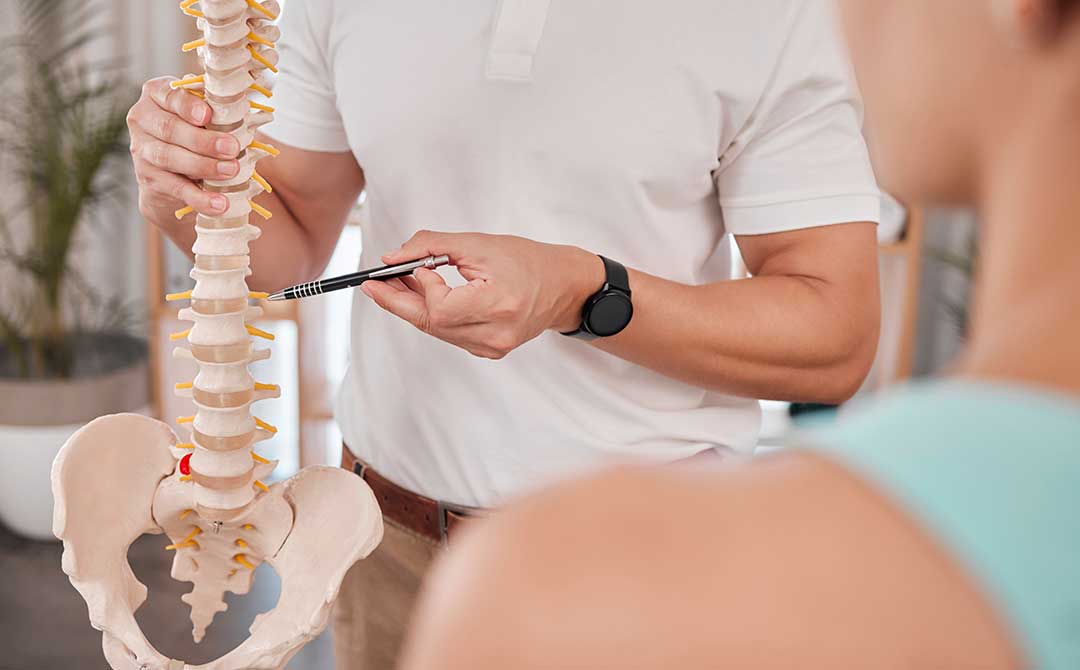
The goal is not to find a rigid “correct” position. Use the position that reduces leg symptoms and allows relaxed breathing. If getting out of bed is painful, roll onto the side first, lower the legs, and use the arms to help push the body upright rather than twisting suddenly.
A supportive mattress can help, but replacing a mattress is not a guaranteed treatment. Sudden changes in sleep surface, prolonged bed rest, or sleeping in a cramped position may worsen stiffness.
Are medications or supplements natural remedies?
Over-the-counter pain medicines may help some adults remain mobile, but they are not appropriate for everyone. Anti-inflammatory medicines can pose risks for people with kidney disease, stomach ulcers, bleeding disorders, certain heart conditions, or medication interactions. Acetaminophen also requires caution in people with liver disease or heavy alcohol use.
A pharmacist or medical clinician can review personal risks, current medications, and safe dosing. Do not assume that an herbal product is harmless because it is labeled natural. Supplements may interact with prescription medicines, affect bleeding, or contain inconsistent ingredients.
Massage, relaxation breathing, mindfulness, and gentle recreational activity may help reduce muscle guarding and the stress response that often accompanies pain. These approaches can support comfort, but they should not be used to delay assessment of progressive neurological symptoms.
When should sciatica be evaluated urgently?
Seek emergency medical care for sciatica accompanied by:
- New loss of bladder or bowel control
- Numbness around the inner thighs, groin, or buttocks
- Sudden or worsening weakness in the leg or foot
- Severe symptoms in both legs
- Pain following a major fall, crash, or other significant injury
- Fever, unexplained weight loss, or a history of cancer combined with new back pain
These symptoms can indicate serious nerve compression or another condition requiring prompt attention.
Less urgent medical evaluation is sensible when pain is severe, continues to worsen, interferes with sleep or walking, or does not begin improving after several days of self-care. Repeated episodes also deserve attention because the cause may need to be addressed rather than managed only with temporary comfort measures.
What should residents keep in mind during recovery?
Recovery is often gradual. Improvement may appear first as shorter periods of leg pain, better sleep, or greater walking tolerance rather than immediate disappearance of every symptom.
Resume household tasks and exercise in stages. During seasonal storms, icy sidewalks, or wet conditions, choose safe indoor walking routes and avoid carrying heavy loads on slippery surfaces. When lifting laundry baskets, boxes, or outdoor equipment, keep the object close to the body and pivot with the feet instead of twisting the lower back.
The most useful home plan is usually modest: keep moving within tolerance, change positions regularly, use heat or cold safely, avoid aggravating movements, and monitor for neurological changes. Natural measures can support recovery, but persistent, severe, or worsening symptoms should not be treated as a routine muscle strain.
