
Sciatica can cause sharp, burning, or electric-like pain that travels from the lower back or buttock into the thigh, calf, or foot. Natural self-care may reduce irritation and improve daily comfort, but persistent or severe symptoms need medical evaluation because sciatica is a symptom of an underlying nerve or spine problem.
What does sciatica feel like?
Sciatica usually affects one side of the body. Along with pain, a person may notice tingling, numbness, muscle weakness, or difficulty sitting, standing, walking, or bending.
The sciatic nerve begins in the lower spine and travels through the buttocks and down each leg. A bulging or herniated disc is a common cause, but narrowing around the spinal nerves, arthritis-related changes, a back injury, or irritation near the buttock can also produce similar symptoms.
Not every ache in the low back or hip is sciatica. Pain that stays only in the back may be a muscle strain or another condition. A careful examination is useful when symptoms are unclear, recurring, or interfering with normal activities.
Can walking help sciatica pain?
For many people, gentle movement is more helpful than prolonged bed rest. Short, easy walks can reduce stiffness and prevent the muscles around the back and hips from becoming deconditioned.
Start with a comfortable distance, such as walking around the home or taking a brief, level walk outdoors. Increase time gradually if symptoms do not worsen during the activity or later that day.
During colder months, icy sidewalks and uneven surfaces can make a painful leg less stable. Supportive footwear, slower steps, and indoor walking may be safer after snow or freezing conditions. Avoid carrying heavy bags while walking if the leg feels weak or numb.
Movement should not be forced. Stop an activity if it causes rapidly increasing leg pain, new weakness, or symptoms that continue to intensify after resting.
Which home measures may provide relief?
Several simple approaches can make symptoms more manageable:
- Change positions often. Sitting for long periods can aggravate some cases. Stand, stretch gently, or walk briefly every 20 to 30 minutes.
- Use heat or cold carefully. A cold pack may calm symptoms after a recent flare, while gentle heat may relax tight muscles. Keep a cloth between the pack and skin, and limit applications to about 15 to 20 minutes.
- Support comfortable sleep. Side sleeping with a pillow between the knees may reduce twisting. Some people feel better on their back with a pillow beneath the knees.
- Adjust sitting posture. Keep both feet supported, avoid slumping, and use a chair that does not force the hips lower than the knees.
- Pace household tasks. Break laundry, cleaning, gardening, and lifting into smaller steps. Avoid repeated bending and twisting at the same time.
- Use a hip-hinge technique. To pick something up, bend at the hips and knees while keeping the object close to the body rather than rounding the lower back.
These measures may reduce strain, but they do not correct every cause of nerve pain.
Are stretching and exercise safe?
Gentle exercise can help, but the right movement depends on the source of the symptoms. A stretch that feels relieving for one person may increase leg pain for another.
Low-intensity options may include:
- A brief walk on a level surface
- Gentle pelvic or abdominal bracing
- Light movement of the hips and ankles
- Controlled position changes rather than prolonged stretching
Avoid aggressive hamstring stretching, deep forward bending, forceful twisting, or repeated exercises that send pain farther down the leg. A useful general rule is that symptoms should remain stable or move closer to the back rather than spreading farther toward the foot.
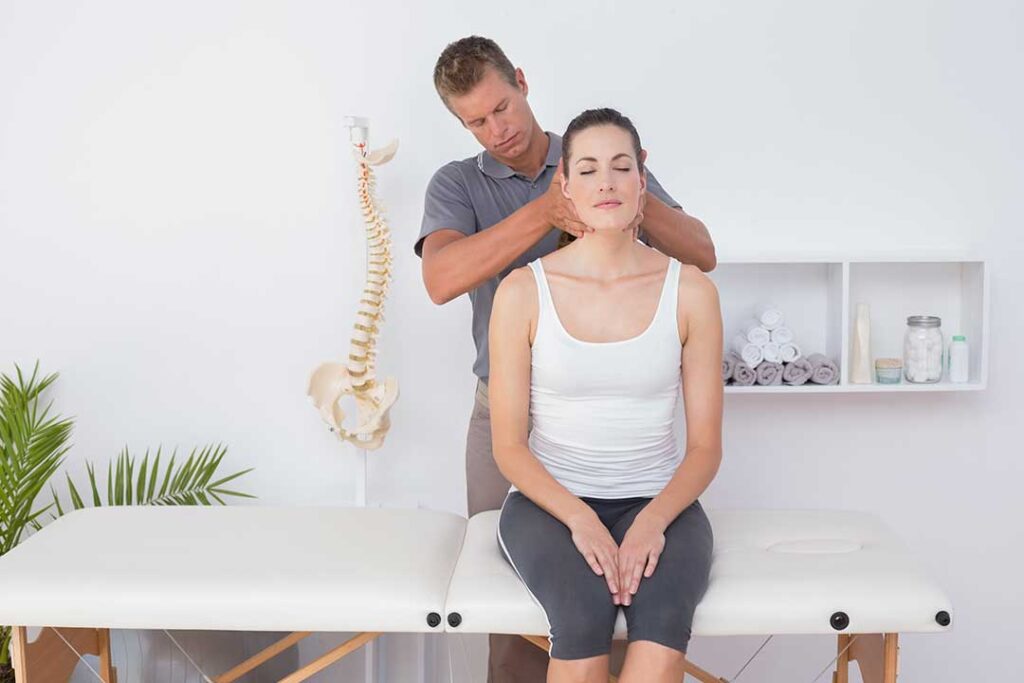
A chiropractor, physical therapist, or medical clinician can help determine whether movement-based care is appropriate. Spinal manipulation is not suitable for every person, particularly when there is significant weakness, serious illness, recent trauma, or another condition requiring urgent care.
Do supplements or herbal remedies treat sciatica?
There is no reliable natural supplement that removes pressure from a spinal nerve or consistently resolves sciatica. Products marketed for inflammation or nerve health may interact with prescription medicines, affect bleeding, or be unsafe for people with kidney, liver, heart, or stomach conditions.
Food-based habits that support general health are reasonable: regular meals, adequate hydration, sufficient protein, and a balanced diet rich in vegetables, fruit, whole grains, and healthy fats. These habits support recovery but should not be described as a direct cure for nerve compression.
Over-the-counter pain medicines may help some people, but they are not appropriate for everyone. People with a history of ulcers, kidney disease, heart disease, high blood pressure, blood-thinning medication use, pregnancy, or medication allergies should check with a qualified medical professional before using them.
How long does sciatica usually last?
Many episodes improve over several weeks with gradual activity and symptom management. Improvement is not always linear; a person may feel better one day and more uncomfortable the next after overdoing exercise, sitting too long, or lifting incorrectly.
Track practical changes rather than pain alone. Useful signs include walking farther, sleeping more comfortably, sitting longer, or experiencing less tingling. If symptoms are not improving, keep returning, or are limiting work and household responsibilities, an evaluation can help identify the cause and guide treatment.
Imaging is not automatically needed for every episode. It may be considered when symptoms are severe, persistent, associated with neurological changes, or suggest a more serious condition.
When is sciatica an emergency?
Seek urgent medical attention for:
- New loss of bladder or bowel control
- Numbness around the inner thighs, buttocks, or genital area
- Severe or rapidly worsening weakness in the leg or foot
- Trouble walking that is getting worse
- Back pain after a major fall or accident
- Fever, unexplained weight loss, or a history of cancer with new back pain
- Severe pain that is constant, unusual, or accompanied by feeling very ill
These signs can indicate a serious nerve or medical problem and should not be managed solely with home remedies.
For local residents, everyday factors such as long commutes, extended sitting, winter walking conditions, and lifting during household projects can all influence symptoms. The safest approach is usually a combination of gentle movement, sensible activity changes, careful monitoring, and timely evaluation when the pattern does not improve.
