
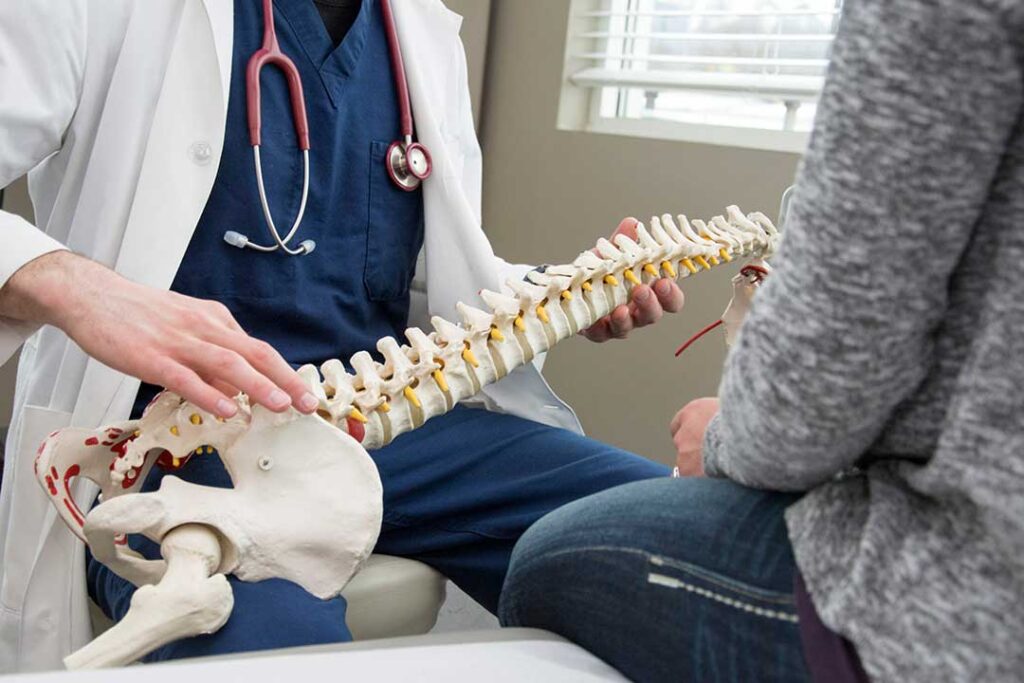
Can poor posture really cause headaches?
Yes, poor posture can contribute to some headaches, especially when the head, neck, and upper back remain in an awkward position for long periods. Slouching does not explain every headache, but it can increase muscle tension, irritate sensitive joints and nerves, and add strain to an existing headache condition.
Many local residents spend long stretches at computers, on phones, driving, studying, or working from home. During colder months, people may also stay indoors more often and sit for extended periods. These habits can make posture-related neck tension more noticeable.
Posture is usually one contributing factor rather than the sole cause.
How does posture lead to head pain?
The head weighs roughly as much as a small bowling ball. When it stays balanced over the shoulders, the neck muscles can work efficiently. As the head moves forward, the muscles at the back of the neck and across the shoulders must work harder to support it.
Over time, this may contribute to:
- Tight muscles at the base of the skull
- Aching across the forehead or temples
- Pain that begins in the neck and moves upward
- Tenderness around the shoulders and upper back
- Reduced neck movement
- A heavy, pressure-like feeling in the head
Looking down at a phone, leaning toward a laptop, or sitting without back support can all encourage a forward-head position. Holding the same position for a long time may matter more than briefly sitting with imperfect posture.
Muscle fatigue can also change how a person breathes and moves. Shallow breathing, raised shoulders, and jaw clenching may add to the tension pattern.
What type of headache is associated with neck problems?
A headache that originates from structures in the neck is often called a cervicogenic headache. It may begin on one side and travel from the upper neck toward the back of the head, temple, forehead, or area behind the eye. Neck movement may worsen the pain, and the neck may feel stiff or restricted.
However, neck pain does not automatically mean the headache is cervicogenic. Migraine and tension-type headaches can also cause neck tightness. In some people, neck discomfort is an early symptom of a migraine rather than the cause of it.
A tension-type headache often feels like pressure, squeezing, or a band around the head. A migraine may involve throbbing pain, nausea, sensitivity to light or sound, or worsening symptoms with ordinary activity. These conditions can overlap with posture-related strain, so the pattern of symptoms matters.
What signs suggest posture may be contributing?
Posture is more likely to be involved when the headache:
- Appears after extended computer, phone, or driving time
- Develops late in the workday
- Occurs along with neck or upper-back tightness
- Improves after changing position or taking a walk
- Is linked to a particular workstation, pillow, or sitting habit
- Returns during activities that require looking downward
Keeping a brief headache diary can help identify patterns. Record when the pain begins, what activity came beforehand, how long it lasts, where it is located, and whether neck movement changes it.
A pattern does not prove that posture is the cause, but it can provide useful information for deciding what changes are worth trying.
How can residents improve posture without sitting rigidly?
Healthy posture is not one perfect position that must be held all day. The body generally tolerates movement better than prolonged stillness. A comfortable, supported position that changes regularly is usually more practical than trying to sit completely straight.
Helpful adjustments include:
- Place the top of a computer screen near eye level.
- Keep the screen close enough that leaning forward is unnecessary.
- Let the shoulders relax instead of pulling them forcefully backward.
- Keep both feet supported when seated.
- Use a chair that supports the lower back.
- Hold a phone closer to eye level rather than bending the neck downward.
- Take brief movement breaks every 30 to 60 minutes.
- Alternate sitting, standing, walking, and other comfortable positions.
- Avoid working for long periods from a couch or bed if it causes the head and neck to bend forward.
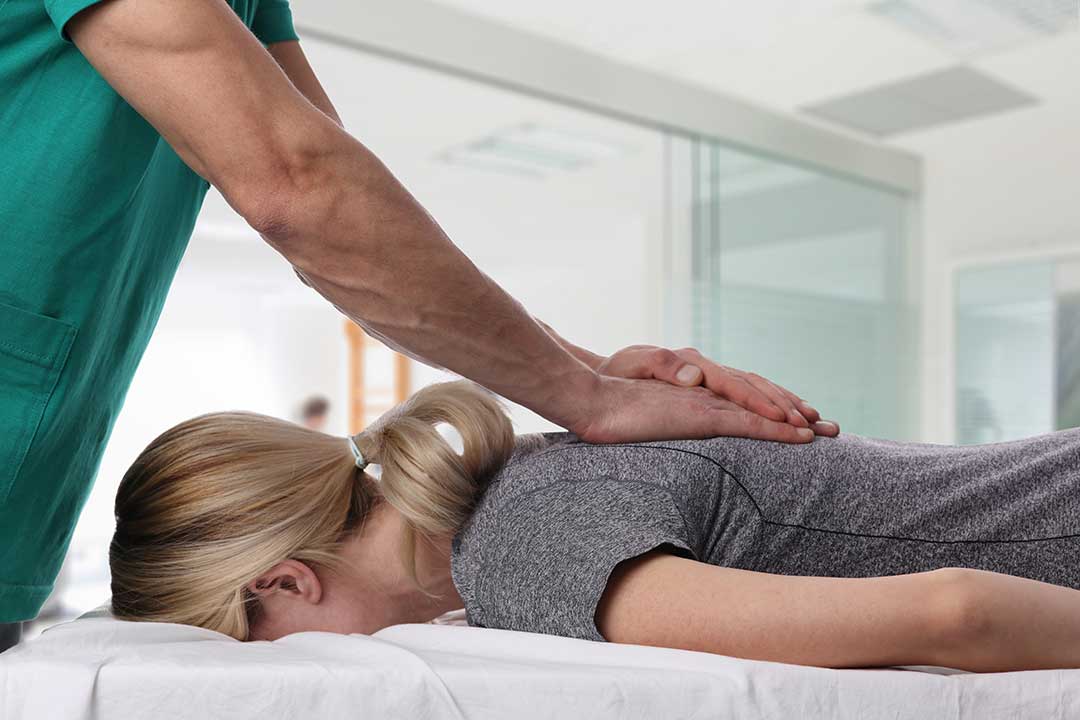
For households with small work areas, even modest changes can help. Raising a laptop on a stable platform and using a separate keyboard may reduce the need to look down. A folded towel behind the lower back can provide temporary support if a chair lacks it.
Are stretches and exercises useful?
Gentle movement may help reduce stiffness and improve tolerance for daily activities. Slow neck rotation, shoulder rolls, chest-opening movements, and light upper-back motion can be reasonable starting points if they do not increase symptoms.
Exercises should feel controlled rather than forceful. Avoid bouncing, aggressive stretching, or repeatedly moving into sharp pain. A person with dizziness, numbness, weakness, significant arm symptoms, or a recent injury should not assume that routine stretching is appropriate.
Strengthening the upper back and improving general activity may also help some people. The goal is not to create a rigid “perfect posture,” but to improve strength, mobility, and the ability to change positions comfortably.
Can a new pillow fix posture-related headaches?
A pillow can affect the neck position during sleep, but changing pillows is not a universal solution. A pillow that is too high, too low, or too firm may leave the neck angled for hours. Side sleepers often need different support from back sleepers, while stomach sleeping commonly requires the neck to remain rotated.
The most useful pillow is one that keeps the head reasonably aligned with the rest of the spine and does not produce morning neck pain. A gradual adjustment is often easier than making several changes at once.
Morning headaches can also relate to snoring, sleep apnea, teeth grinding, dehydration, medication effects, or other causes. A recurring morning headache should not automatically be blamed on sleeping posture.
When should a headache be medically evaluated?
Most posture-related headaches are not emergencies, but new, severe, changing, or persistent headaches deserve appropriate medical attention. Urgent evaluation is especially important for a sudden “worst headache,” headache after a significant head injury, or head pain accompanied by:
- Weakness, numbness, confusion, fainting, or trouble speaking
- New vision loss or major vision changes
- Fever and a stiff neck
- Repeated vomiting
- Seizure
- Severe drowsiness or difficulty staying awake
- New headache during pregnancy or after childbirth
Medical evaluation is also appropriate when headaches are becoming more frequent, require frequent pain medicine, wake someone from sleep, or interfere with work, school, or normal activities.
What is the practical takeaway?
Bad posture can contribute to headaches by increasing strain in the neck, shoulders, and upper back, particularly during long periods of sitting or screen use. It is not a universal explanation, and posture changes alone may not resolve migraine, neurological conditions, sleep-related problems, or other causes of head pain.
The most reasonable approach is to look for patterns, reduce prolonged static positions, adjust the workstation, move regularly, and avoid forceful exercises. If symptoms persist or the headache pattern changes, an appropriate medical evaluation can help distinguish ordinary muscular strain from a condition requiring different care.
