
Pregnancy-related back pain is common, but it should not automatically be dismissed as something that must simply be endured. Changes in posture, weight distribution, abdominal support, ligaments, sleep position, and daily activity can all contribute. Most mild discomfort can be managed with conservative measures, while severe or unusual symptoms require medical attention.
Why does pregnancy cause back pain?
Pregnancy can affect the back in several ways. As the abdomen grows, the body’s center of gravity shifts forward. Many people naturally lean backward to compensate, increasing the workload on the lower-back muscles.
The abdominal muscles also stretch as the uterus expands. Because these muscles help support the spine, their reduced strength can place more demand on the back and pelvis. Pregnancy hormones loosen certain ligaments around the pelvis, which helps prepare the body for childbirth but may also make the joints feel less stable or more sensitive.
Back pain may appear early in pregnancy or become more noticeable later. It can feel like a dull ache, stiffness, soreness after standing, or pain that spreads into the buttocks and hips.
What can safely relieve back pain at home?
Gentle changes in positioning and movement are often useful. The goal is to reduce strain without forcing the body into painful stretches.
Try these approaches:
- Sit in a chair with firm support rather than a low, soft couch. A small cushion behind the lower back may improve comfort.
- Keep both feet supported when sitting. Avoid crossing the legs for long periods if it increases pelvic or back discomfort.
- Change positions regularly instead of sitting or standing continuously.
- When standing for a long time, place one foot on a low step or footrest and switch sides periodically.
- Bend at the knees and hips when lifting. Keep objects close to the body and avoid twisting while carrying them.
- Ask for help with heavy laundry baskets, full grocery bags, large packages, or household items that are awkward to lift.
- Wear supportive, comfortable shoes. Very high heels can shift balance forward, while completely unsupportive footwear may increase fatigue.
In Lynbrook, seasonal weather can also affect everyday movement. Wet leaves, icy sidewalks, and snow near driveways may increase the risk of slipping or bracing suddenly. Walking more slowly, using handrails, and avoiding rushed lifting or carrying can help protect the back.
Can walking, stretching, or swimming help?
For many uncomplicated pregnancies, gentle physical activity can reduce stiffness and help maintain the strength of the back, hips, legs, and abdominal support muscles. Walking is often well tolerated, and water exercise may feel easier because the water supports some body weight.
Exercise should not cause pain, dizziness, bleeding, fluid leakage, chest pain, or unusual shortness of breath. Anyone starting a new routine or changing an existing one should first ask an obstetric care provider whether the activity is appropriate.
Gentle options may include:
- Short, comfortable walks on level surfaces
- Prenatal mobility exercises approved by a medical provider
- Gentle pelvic movements or supported stretches
- Swimming or water exercise in a comfortable-temperature pool
- Breathing and posture exercises that reduce unnecessary muscle tension
Avoid forcing a stretch, bouncing, holding the breath, or continuing through sharp pain. A movement that feels helpful one day may be too demanding on another day, especially during periods of fatigue or pelvic instability.
What sleeping position is best for pregnancy back pain?
Side-lying is often more comfortable than lying on the stomach, particularly as pregnancy progresses. A pillow between the knees can help keep the hips and pelvis in a more neutral position. Some people also benefit from placing a pillow under the abdomen or behind the back for additional support.
A supportive mattress and a gradual approach to changing positions may reduce morning stiffness. To get out of bed, roll onto the side first, lower the legs, and use the arms to push up rather than sitting straight up with the abdominal muscles.
There is no need to remain in one position if it causes discomfort. Comfort, breathing, circulation, and the guidance of the pregnancy care team all matter.
Is heat or cold safe?
Heat and cold may soothe sore muscles when used carefully. A warm—not hot—compress can relax tight muscles. Use the lowest comfortable setting, place a cloth between the heat source and skin, and limit the exposure rather than falling asleep with a heating pad in place.
A cold pack wrapped in a towel may help after activity or when the area feels irritated. Avoid placing ice directly on the skin.
Hot tubs, very hot baths, and prolonged overheating are different from brief local warmth and may not be appropriate during pregnancy. Ask an obstetric care provider about safe temperature limits, especially if there are pregnancy complications or concerns about overheating.
Can a chiropractor or physical therapist help?
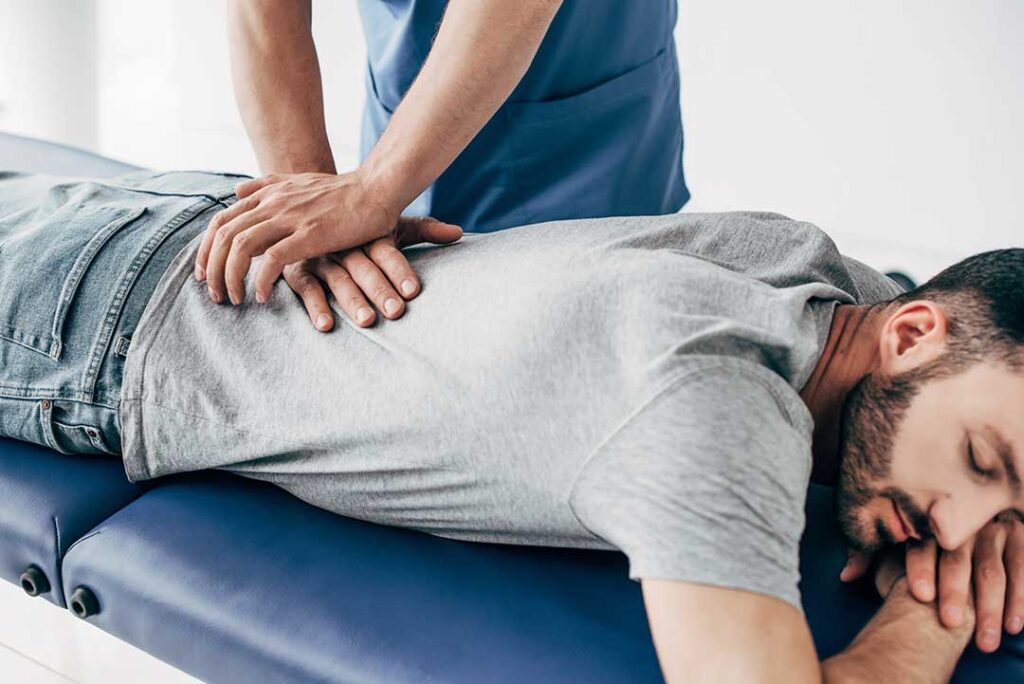
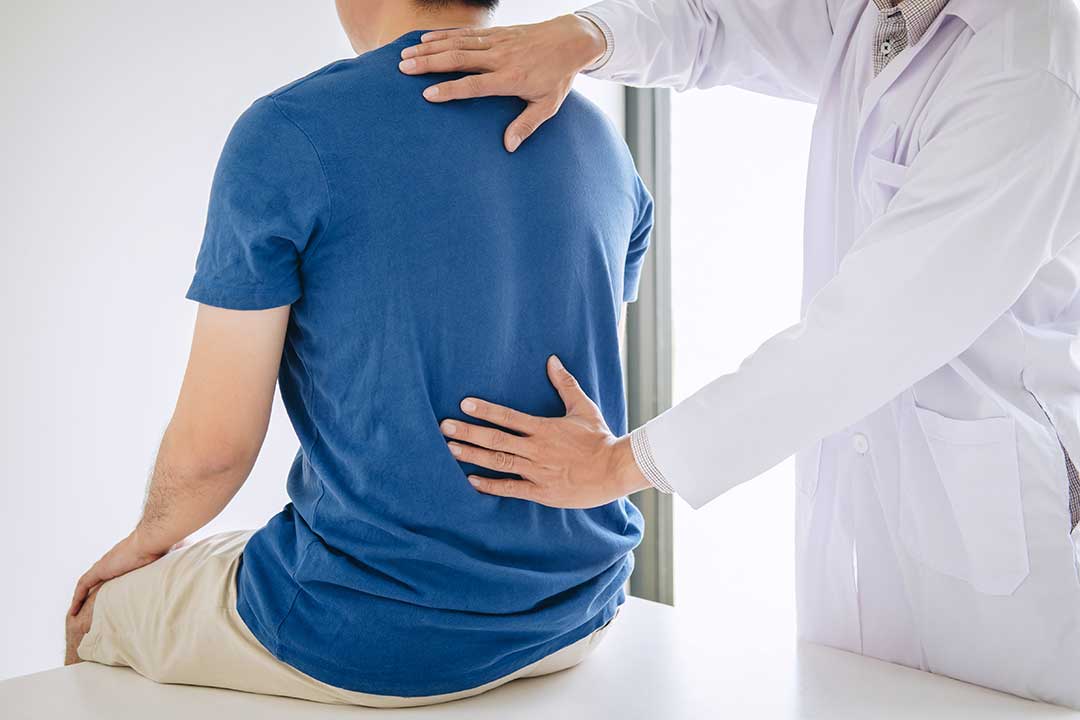
A qualified rehabilitation professional may help identify movement patterns, muscle weakness, pelvic discomfort, or workstation and sleeping-position problems. Chiropractic care during pregnancy should not be assumed to be appropriate for everyone. Before receiving spinal manipulation, massage, traction, exercises, or use of a support belt, discuss the plan with the obstetric care provider.
A pregnancy-informed clinician should know about the stage of pregnancy, prior medical conditions, pelvic symptoms, medications, and any restrictions. Treatment should be gentle, adapted to pregnancy, and stopped if it produces worsening pain, numbness, dizziness, contractions, or other concerning symptoms.
Medication also deserves caution. Do not start, stop, or change pain medicine without checking with the obstetric care provider. Some commonly used medicines are not suitable during certain stages of pregnancy or may be unsafe for particular health conditions.
When is pregnancy back pain a warning sign?
Contact the obstetric care provider promptly for severe pain, pain that persists for more than two weeks, or discomfort that is worsening rather than improving. Back pain can occasionally be associated with conditions that require evaluation.
Seek urgent medical guidance if back pain occurs with:
- Vaginal bleeding or fluid leakage
- Fever or chills
- Burning or pain with urination
- Regular tightening, cramping, or contractions
- New pelvic pressure
- Sudden severe abdominal or back pain
- Numbness, weakness, or loss of bladder or bowel control
- Pain after a fall or other injury
Back pain accompanied by leg weakness, loss of sensation, or difficulty controlling urination or bowel movements requires immediate medical attention.
For ordinary muscle soreness, start with support, gentle movement, careful lifting, a comfortable sleep setup, and appropriately limited heat or cold. If the cause is uncertain, medical guidance is safer than trying to self-treat persistent or unusual symptoms.
