
Joint inflammation can cause pain, swelling, stiffness, warmth, and reduced movement. For residents of Lynbrook, NY, practical daily habits—such as gentle activity, balanced nutrition, adequate sleep, and sensible use of heat or cold—may help manage symptoms without placing unnecessary strain on irritated joints.
Natural strategies can support comfort, but they do not replace medical evaluation when inflammation is severe, persistent, or caused by an autoimmune condition, infection, or injury.
What does joint inflammation feel like?
Inflammation often produces more than ordinary soreness. Affected joints may feel warm, swollen, stiff, or tender. Some people notice symptoms after activity, while others experience stiffness after waking or sitting for a long time.
The cause matters. Osteoarthritis may involve gradual wear and irritation, while rheumatoid arthritis, gout, psoriatic arthritis, bursitis, and injuries can create different patterns. Pain in one joint after overuse is not managed exactly the same way as swelling in several joints accompanied by fatigue.
Sudden swelling, intense pain, redness, fever, inability to bear weight, or a joint that becomes rapidly more difficult to move requires prompt medical attention. These symptoms can indicate infection, a significant injury, or another condition that should not be treated with home care alone.
Can gentle movement reduce inflammation?
Yes. Regular, low-impact movement can reduce stiffness, maintain strength, and improve joint function. Complete inactivity may make joints feel stiffer and can weaken the muscles that help support them.
Useful options include:
- Walking at a comfortable pace
- Water exercise or swimming
- Stationary cycling
- Gentle range-of-motion exercises
- Tai chi
- Light resistance work with bands or manageable weights
A practical starting point may be five to ten minutes at a time, especially after a flare or a period of inactivity. The goal is steady movement rather than pushing through sharp pain. In a compact community where errands, stairs, commuting, or household tasks may involve repeated short walks, several brief activity periods can add up.
Moderate activity is generally beneficial, but a joint that becomes increasingly swollen or painful during or after exercise needs a slower progression. Exercise should leave the body feeling worked, not injured.
Which foods may help calm inflammation?
No single food eliminates joint inflammation, and an “anti-inflammatory” diet is not a cure. However, a dietary pattern centered on minimally processed foods may support overall health and help reduce factors associated with inflammation.
Build meals around:
- Vegetables and fruit in a variety of colors
- Beans, lentils, and other legumes
- Whole grains such as oats, brown rice, and quinoa
- Nuts and seeds
- Olive oil or other unsaturated fats
- Fish that contains omega-3 fats, when suitable for the individual
- Adequate water and unsweetened beverages
It can also help to reduce frequent intake of heavily processed snacks, sugary drinks, refined carbohydrates, and foods high in saturated fat. These foods may contribute to weight gain or poorer metabolic health, which can increase stress on weight-bearing joints.
Food sensitivities vary. Eliminating many foods without a clear reason can create nutritional gaps. Keeping a simple food-and-symptom record for a few weeks may reveal patterns, but suspected triggers should be evaluated carefully rather than assumed.
Does weight affect joint inflammation?
Body weight is only one factor in joint health, and joint pain can make activity and weight management more difficult. Still, gradual weight reduction, when appropriate, may lessen pressure on weight-bearing joints such as the knees, hips, ankles, and feet.
A sustainable approach is usually more helpful than a restrictive diet. Examples include smaller portions, more vegetables and fiber-rich foods, regular meals, and low-impact activity that can be maintained during painful periods.

Even modest changes may improve comfort and mobility for some people. Weight should be discussed without blame, especially when inflammation, medications, disability, or other health conditions affect appetite and movement.
Should heat or cold be used?
Heat and cold can both be useful, but they serve different purposes.
Heat may help when a joint feels stiff or surrounding muscles are tense. A warm shower, heating pad, or warm towel can make gentle movement easier. Cold may be more helpful when there is recent swelling or a flare after activity.
Use either approach for about 15 minutes at a time, with a cloth barrier between the skin and the heat or cold source. Avoid falling asleep while using a heating pad. People with reduced sensation, circulation problems, or certain medical conditions should use extra caution.
A simple rule is: warmth for stiffness, cooling for swelling. If either method increases pain, skin irritation, numbness, or discoloration, stop using it.
Can sleep and stress affect joint symptoms?
Yes. Poor sleep can increase pain sensitivity, reduce energy, and make it harder to stay active. Stress may also increase muscle tension and make symptoms feel more difficult to manage, even when it is not the original cause of inflammation.
Helpful habits include maintaining a consistent sleep schedule, keeping the bedroom cool and dark, limiting late-day caffeine, and reducing screen use before bed. A short breathing exercise, quiet stretching, or relaxation practice may help the body settle at night.
Seasonal routines can also affect sleep and activity. Cold, damp weather may encourage people to remain indoors and sit longer, while hot, humid days can make outdoor activity uncomfortable. Indoor walking, gentle mobility exercises, and short movement breaks can help maintain consistency throughout the year.
Are supplements a reliable natural treatment?
Supplements should not be assumed to be harmless or effective simply because they are labeled natural. Products such as turmeric, fish oil, glucosamine, or herbal blends may interact with medications, affect bleeding risk, or be unsuitable for people with certain medical conditions.
Evidence also varies by supplement and by type of arthritis. A supplement should not replace prescribed treatment for inflammatory diseases such as rheumatoid arthritis, because untreated inflammation can damage joints over time.
Food-based nutrition, movement, sleep, and careful activity pacing generally provide a safer foundation. Anyone considering a supplement should review it with a qualified healthcare provider or pharmacist, particularly when taking blood thinners, diabetes medication, blood-pressure medication, or immune-modifying treatment.
How does chiropractic care fit into joint-inflammation management?
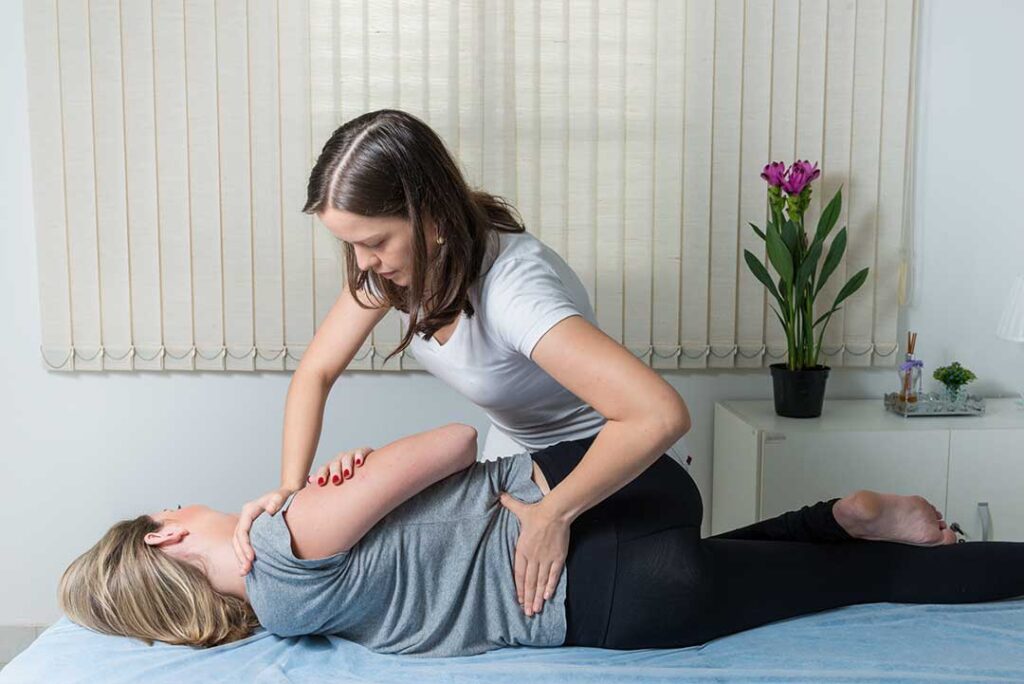
Chiropractic education often emphasizes movement, posture, load management, and the relationship between joint mobility and surrounding muscles. These principles may be relevant for some mechanical pain problems, especially when symptoms are linked to repetitive activity, restricted movement, or muscle tension.
However, spinal or joint manipulation is not a cure for autoimmune inflammation, infection, gout, or unexplained swelling. Manipulation should be avoided over an acutely inflamed, unstable, fractured, or infected area. A careful evaluation is needed before any hands-on treatment, particularly when symptoms include numbness, weakness, fever, unexplained weight loss, or rapidly worsening pain.
The most useful plan is usually the one that identifies the likely cause, protects the joint from aggravation, and preserves safe movement.
When should joint inflammation be evaluated?
Seek prompt medical care for a hot, red, severely swollen joint; fever; sudden inability to move or bear weight; severe pain after an injury; or symptoms that worsen quickly.
Evaluation is also appropriate when swelling lasts more than a few days, multiple joints become involved, morning stiffness is prolonged, or pain repeatedly interrupts sleep and daily activities. Early assessment can help distinguish ordinary overuse from arthritis, nerve involvement, infection, or an inflammatory condition requiring specific treatment.
For mild, familiar symptoms, a reasonable home approach is gentle movement, brief heat or cold, balanced meals, adequate rest, and tracking what improves or worsens the joint. Persistent or unusual symptoms deserve more than trial-and-error self-care.
