

Golf performance depends on more than club selection or practice time. Mobility, balance, strength, coordination, and the ability to repeat a controlled swing all influence how comfortably and consistently a golfer plays.
For residents of Lynbrook, NY, chiropractic care may be one part of a broader approach to managing musculoskeletal discomfort and improving movement quality. It should not be viewed as a shortcut to lower scores or a replacement for golf instruction, strength training, medical evaluation, or proper rest.
Can chiropractic care improve a golf swing?
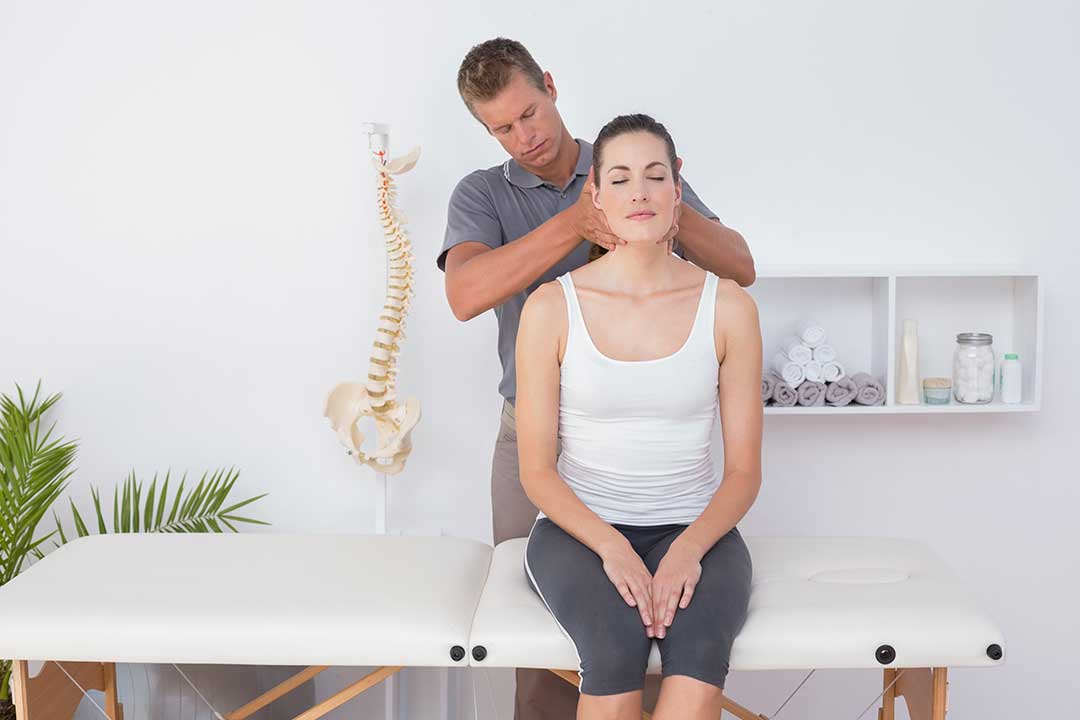
Chiropractic care may help some golfers move more comfortably by addressing restricted joint motion, muscle tension, and movement patterns that contribute to back, neck, hip, or shoulder discomfort.
The golf swing requires coordinated rotation through the hips, spine, and shoulders. If one area moves poorly, another may compensate. For example, limited hip mobility may cause a golfer to rotate excessively through the lower back. Stiffness in the upper back may encourage the neck or shoulders to take on more work.
A typical chiropractic evaluation may consider:
- Spinal and joint mobility
- Posture and balance
- Hip, shoulder, and ankle movement
- Muscle tightness or weakness
- Pain during the backswing, downswing, or follow-through
- Repetitive habits related to work, exercise, or daily activities
Improved movement does not automatically create a better swing. However, reducing unnecessary restrictions may make it easier to practice sound mechanics and tolerate the physical demands of a round.
Why does the lower back matter so much in golf?
The lower back is exposed to repeated bending, rotation, and loading during the golf swing. It may also be affected by long periods of sitting, limited conditioning, poor warm-up habits, or carrying equipment over uneven ground.
Golf-related back discomfort can develop gradually. A golfer may first notice stiffness after a round, difficulty standing upright after bending to place a ball, or soreness that is worse the following morning. Continuing to swing through increasing pain can alter mechanics and place additional stress on nearby muscles and joints.
Spinal manipulation or mobilization may provide modest relief for some forms of nonspecific low-back pain, but results vary. Chiropractic care is most useful when it is combined with active strategies such as strengthening, mobility exercises, walking, and gradual return to play.
A passive treatment alone is unlikely to correct the underlying reasons a golfer continues to experience pain.
How might chiropractic care support mobility?
A comfortable golf swing requires movement in several areas, not only the spine. The hips must rotate, the upper back must extend and turn, and the shoulders must move through a wide range without excessive strain.
Care may include hands-on treatment, but it often works best alongside exercises that help a golfer maintain the gains between visits. Depending on the individual, useful movement goals may include:
- Improving rotation in the upper back
- Restoring comfortable hip rotation
- Increasing shoulder mobility
- Building control through the pelvis and trunk
- Improving balance between the lead and trail legs
- Practicing controlled rotation without forcing end-range motion
Mobility should not be confused with stretching as far as possible. Golfers generally benefit from controlled, usable movement rather than extreme flexibility. A joint that moves freely but lacks strength and stability may still contribute to an inconsistent swing.
Can chiropractic treatment help prevent golf injuries?
No treatment can guarantee injury prevention. Chiropractic care may support injury-risk reduction when it helps identify movement limitations and encourages sensible training habits, but prevention also depends on workload, technique, equipment fit, conditioning, sleep, and recovery.
Many recreational golfers play more often during warmer months and then increase activity quickly after a period of limited winter exercise. Seasonal changes in Lynbrook can make this pattern particularly familiar: a golfer may spend much of the colder season sitting indoors, then attempt a full round or extended practice session as soon as outdoor conditions improve.
A safer progression may include:
- Short practice sessions before full rounds
- A gradual increase in swings and walking distance
- Dynamic warm-up movements before hitting
- Strength work for the legs, hips, trunk, and shoulders
- Rest between demanding golf days
- Attention to soreness that lasts more than a day or two
Pain that steadily worsens, changes the swing, or interferes with walking or sleep should not be treated as ordinary post-round soreness.
What should golfers do before a round?
A dynamic warm-up is generally more appropriate before golf than holding long, intense stretches while the muscles are cold. The goal is to raise body temperature and rehearse the movements used during the round.
A practical warm-up may take five to ten minutes and include:
- Brisk walking
- Gentle torso rotations
- Hip hinges
- Body-weight squats
- Shoulder circles
- Controlled arm swings
- Practice swings that gradually increase in length and speed
Starting with short swings and only a few clubs can help the body adjust. Many golfers make the mistake of taking full-speed swings immediately after arriving, especially when time is limited.
Warm-up should reduce stiffness, not create fatigue. Sharp pain, catching, numbness, or a feeling of instability is a reason to stop rather than push through.
Is chiropractic care enough to improve golf performance?
Usually, no. Golf performance is influenced by several factors that chiropractic treatment cannot address by itself.
Golf instruction may be needed to correct grip, posture, swing sequencing, or excessive force. Strength training can improve the ability to control rotation and maintain posture late in a round. Aerobic conditioning may help golfers walk comfortably and preserve concentration. Balance and coordination exercises can support a steadier setup and finish.
A well-rounded plan may combine:
- Technical coaching for swing mechanics
- Mobility work for the hips, upper back, and shoulders
- Strength training for the legs and trunk
- Practice that emphasizes quality over volume
- Adequate hydration, nutrition, and sleep
- Recovery time between rounds
The most useful role for chiropractic care is often helping a golfer address a movement or pain problem that makes these other activities difficult.
When should a golfer seek medical evaluation?
Certain symptoms require more than routine musculoskeletal care. A golfer should seek prompt medical evaluation for severe or unexplained pain, significant weakness, loss of coordination, bowel or bladder changes, numbness in the groin area, chest pain, shortness of breath, fever, or pain following a serious fall or collision.
Persistent shoulder, elbow, wrist, hip, or back pain also deserves attention when it does not improve with reduced activity and basic self-care. Repeatedly treating symptoms without determining why they return can delay appropriate care.
For local residents, practical factors such as commuting, desk work, home maintenance, and limited winter activity may contribute to stiffness before golf season begins. Addressing those daily patterns can be just as relevant as what happens on the course.
What is a realistic expectation?
The most realistic expectation is improved comfort, movement confidence, and tolerance for practice—not an automatic reduction in handicap.
Some golfers may notice less stiffness or easier rotation after treatment and exercise. Others may need changes in workload, swing technique, or conditioning before meaningful improvement occurs. The response depends on the cause of the problem, the golfer’s general health, and consistency with active rehabilitation.
Chiropractic care can be a reasonable component of golf wellness when it is individualized, safety-conscious, and paired with active exercise and sensible progression. The goal is not to force the body into a particular position, but to help the golfer move with control, recover adequately, and participate without ignoring warning signs.
