
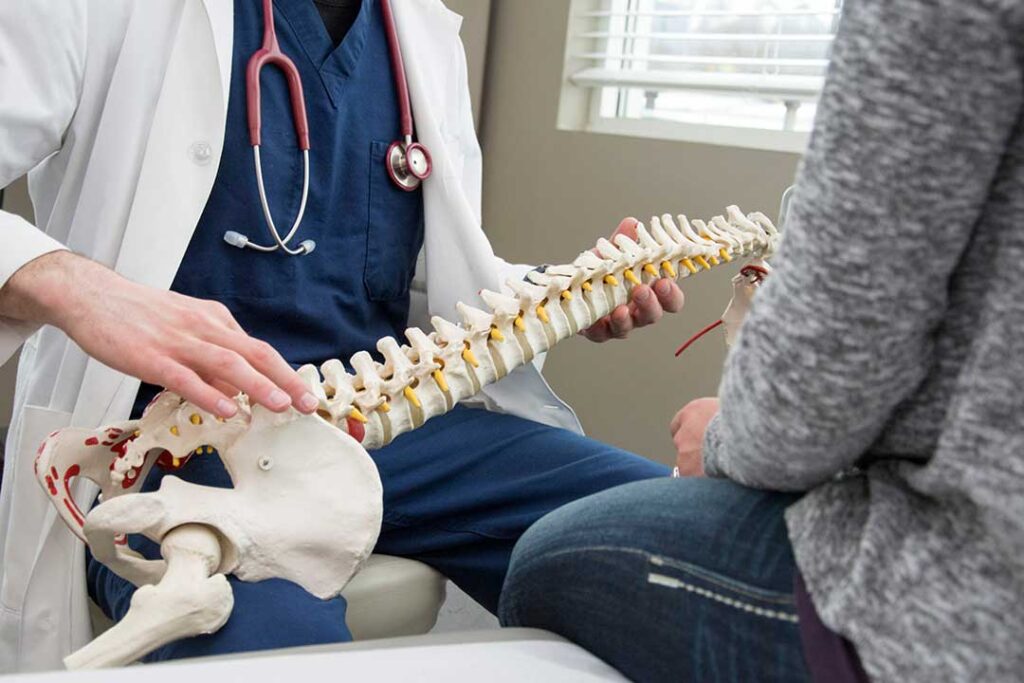
In Lynbrook, NY, family life often involves a mix of school activities, sports practices, commuting, household responsibilities, walking, and seasonal outdoor recreation. Chiropractic care may be one part of a broader approach to managing everyday aches, improving movement, and helping adults stay active while supporting healthy routines for children and teenagers.
It is not a replacement for medical care, physical therapy, athletic training, or emergency evaluation. Its role is usually most appropriate when considered alongside exercise, sleep, nutrition, injury prevention, and guidance from a person’s broader health care team.
What can chiropractic care do for an active family?
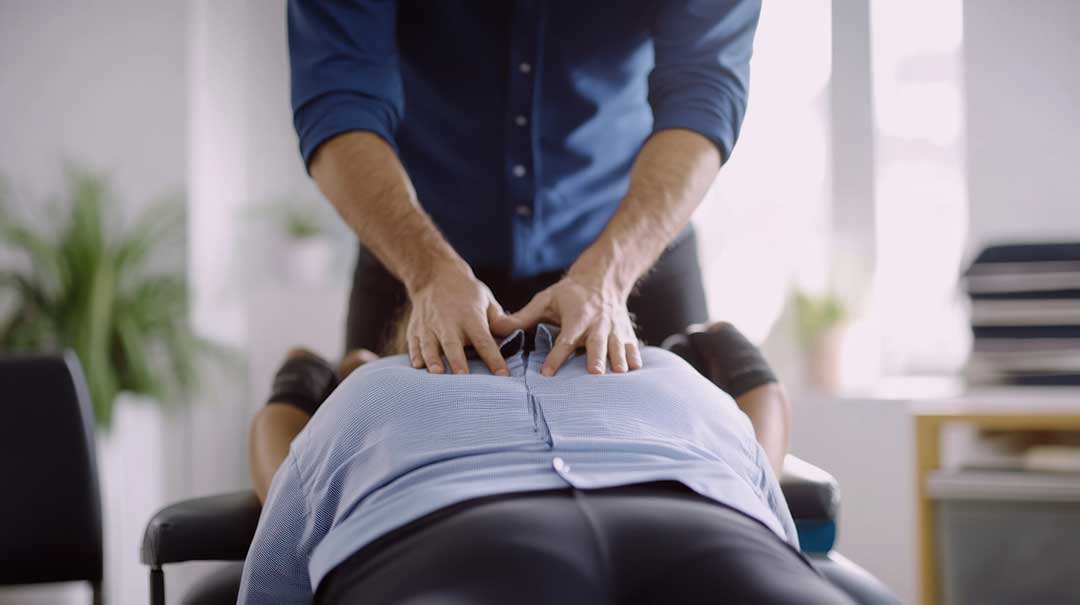
Chiropractic care commonly focuses on the muscles, joints, and movement patterns that contribute to discomfort or limited activity. Depending on the individual, care may include spinal or joint manipulation, mobilization, soft-tissue techniques, movement education, and exercises.
For adults, these approaches may be considered for certain types of low-back pain, neck discomfort, stiffness, or activity-related musculoskeletal problems. Evidence is strongest when hands-on care is combined with active strategies such as strengthening, mobility work, and gradual return to normal activities.
The goal should not be to “realign” the entire body or promise protection from every injury. A more practical goal is to understand what is causing a movement problem, reduce unnecessary limitations, and help the person participate safely in daily life.
How might it help parents and caregivers?
Adults in busy households often develop discomfort from repeated lifting, prolonged sitting, driving, carrying equipment, or completing home projects. Parents may also move suddenly during recreational activities or return to exercise after months of limited time.
A movement-focused evaluation may help identify factors such as:
- Reduced hip, ankle, or shoulder mobility
- Weakness in the trunk or lower body
- Repetitive lifting habits
- Poor tolerance for sudden increases in exercise
- Stiffness after long periods of sitting
- Movement patterns that aggravate an existing problem
Practical guidance may include adjusting how a child is lifted, changing a workstation, building strength gradually, or taking brief movement breaks during the day. These small changes can matter more than passive treatment alone.
For persistent or recurring symptoms, a coordinated plan may involve exercise instruction, primary care, physical therapy, medication guidance, or diagnostic testing. No single approach is suitable for every type of pain.
Does chiropractic care make sense for children and teenagers?
Children and teenagers are not simply smaller adults. Their bones, joints, coordination, training demands, and ability to describe symptoms change as they grow. Any hands-on care for a young person should be age-appropriate, gentle, and based on a clear reason rather than routine treatment without an identifiable concern.
Families may ask about chiropractic care when a young athlete has soreness, restricted movement, or difficulty returning to activity after a minor injury. Before treatment, it is useful to clarify:
- What symptoms are present, and how long have they lasted?
- Did the problem begin after a fall, collision, or other injury?
- Is the child avoiding activities because of pain?
- Are symptoms worsening, recurring, or occurring at night?
- What other health conditions, medications, or treatments are involved?
Research on spinal manipulation in children and teenagers is more limited than research involving adults. Rare but serious complications have been reported, so parents should discuss complementary care with the child’s regular health care provider, particularly when the diagnosis is uncertain or the child has a significant medical condition.
Can it help with sports and recreational activity?
Chiropractic care may support an active lifestyle by addressing mobility restrictions, muscle and joint discomfort, and movement limitations. It should not be treated as a substitute for conditioning, coaching, protective equipment, warm-ups, or adequate recovery.
Young athletes generally benefit from varying activities, increasing training gradually, and allowing time for sleep and rest. Adults returning to running, strength training, cycling, or recreational sports also need to avoid large increases in intensity after a period of inactivity.
In a household where schedules change with school seasons and weather, a common problem is doing too much too quickly. A child may move from limited winter activity into frequent practices, while an adult may resume outdoor exercise as soon as conditions improve. Gradual progression helps the body adapt and may reduce overuse problems.
What should families do after a minor strain or soreness?
Mild soreness after unfamiliar activity often improves with relative rest, comfortable movement, and a gradual return to normal tasks. Complete inactivity is not always necessary, but painful movements should not be forced.
Families can use a simple approach:
- Reduce the activity that clearly worsens symptoms.
- Continue gentle movement within a comfortable range.
- Use cold or heat only when it is appropriate and comfortable.
- Resume activity in stages rather than returning immediately to full intensity.
- Track whether symptoms are improving, staying the same, or worsening.
A treatment plan should include a way to measure progress. Useful measures may include walking tolerance, range of motion, sleep quality, ability to climb stairs, or participation in age-appropriate activities.
When is chiropractic care not the right first step?
Some symptoms need urgent medical assessment rather than routine musculoskeletal care. Immediate evaluation is appropriate for severe pain after a significant injury, loss of strength, numbness that is spreading, loss of bladder or bowel control, fainting, chest pain, difficulty breathing, or sudden neurological changes.
Medical evaluation is also important when pain is accompanied by fever, unexplained weight loss, persistent night pain, unusual fatigue, or a child’s refusal to use an arm or leg. A young athlete with a suspected fracture, concussion, dislocation, or serious ligament injury should follow an appropriate medical and sports-injury pathway.
These warning signs do not diagnose a particular condition. They indicate that a broader evaluation may be needed before hands-on treatment is considered.
How can families make care more useful?
The most useful approach is usually collaborative and specific. Families should be able to explain the activity that triggers symptoms, what has already been tried, and what the person needs to do comfortably at home, school, work, or practice.
Questions worth asking include:
- What is the likely source of the problem?
- What improvements should be expected, and over what period?
- Which exercises or daily changes are part of the plan?
- What symptoms would require medical reassessment?
- How will progress be measured?
- Is referral to another health professional appropriate?
Active families in Lynbrook may also need to account for slippery winter sidewalks, crowded schedules, home stairways, prolonged school or work sitting, and limited recovery time between activities. Good care should fit those real conditions rather than rely on a generic routine.
The central principle is straightforward: chiropractic care may be useful for selected musculoskeletal concerns, especially when paired with exercise and practical activity changes. For children, teenagers, adults, and older family members alike, the safest plan begins with an accurate understanding of the problem and a clear boundary between routine soreness and symptoms that require medical attention.
