
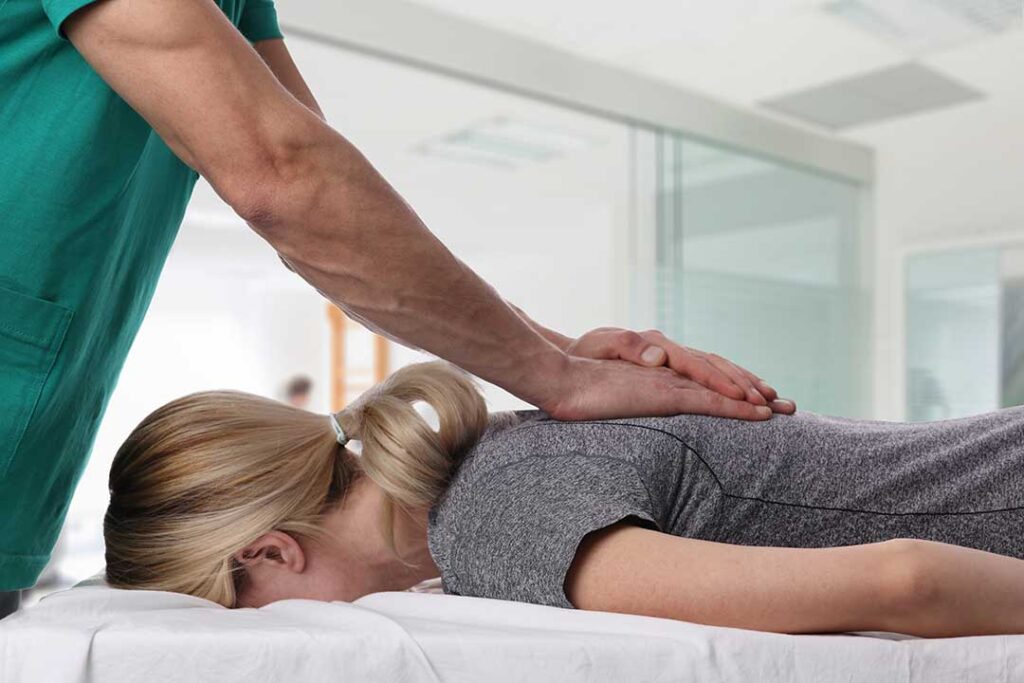
Active families often balance school, work, sports, commuting, household tasks, and weekend recreation. Chiropractic care may support that lifestyle by addressing certain musculoskeletal concerns, improving movement awareness, and helping family members understand how daily habits affect the spine, joints, and muscles.
It is not a replacement for medical care, physical therapy, emergency treatment, or sport-specific coaching. Its role is usually narrower: evaluating movement-related discomfort and, when appropriate, using hands-on care, exercise guidance, and practical self-management strategies.
What can chiropractic care do for an active family?
Chiropractic care may help some people manage back pain, neck discomfort, stiffness, joint-related symptoms, and movement limitations. Care commonly includes a health history, physical examination, functional assessment, and discussion of activity patterns.
Treatment may involve:
- Spinal or joint manipulation when clinically appropriate
- Mobilization techniques
- Soft-tissue approaches
- Stretching and strengthening recommendations
- Guidance on lifting, sitting, sleeping, and activity progression
- Referral for medical evaluation or imaging when symptoms suggest a different problem
The goal should be improved function and safer participation in normal activities—not simply repeated adjustments without a clear reason.
For a parent who develops low-back discomfort after lifting a child, a teenager returning to soccer after time off, or an older family member experiencing stiffness after gardening, the evaluation and recommendations may look different. Age, health history, training level, medications, previous injuries, and current symptoms all matter.
How might care support children and teenagers?
Children and adolescents benefit from regular physical activity, but they also need age-appropriate training, adequate recovery, proper equipment, and time for injuries to heal. Chiropractic care may be considered for a young person with certain muscle or joint complaints, but children should not be treated as small adults.
A thoughtful evaluation should consider:
- The child’s age and stage of physical development
- The specific sport or activity
- Training volume and recent changes in practice intensity
- Pain location, duration, and effect on movement
- Previous injuries or medical conditions
- Whether symptoms began after a fall, collision, or other event
Persistent pain, swelling, weakness, numbness, limping, repeated falls, or a noticeable change in coordination deserves medical attention. A child should not be pushed back into sports simply because the pain temporarily improves.
For youth athletes, prevention is often more useful than treatment alone. Gradual conditioning, warm-up routines, rest days, hydration, protective equipment, and learning correct movement patterns can reduce avoidable strain. Chiropractic care, when used, should complement these habits rather than replace them.
Can it help adults stay active?
Adults may experience discomfort from several overlapping demands: desk work, driving, carrying groceries, home repairs, exercise classes, running, cycling, or caring for children. Chiropractic care may help identify whether symptoms are related to restricted movement, muscle overload, poor lifting mechanics, or another musculoskeletal issue.
A useful plan often includes more than hands-on treatment. It may address how a person:
- Returns to exercise after illness or inactivity
- Increases walking, running, or resistance training
- Lifts laundry baskets, strollers, or household items
- Alternates sitting and standing during work
- Manages recovery between practices and family responsibilities
- Responds when pain returns
The safest approach is usually gradual. A sudden increase in mileage, weight, practice time, or weekend activity can overload tissues that have not adapted. Building activity in stages allows the body to adjust and makes it easier to identify what aggravates symptoms.
What about older adults in active households?
Older adults may remain active through walking, gardening, household projects, recreational exercise, and caring for family members. Stiffness or reduced balance can make these activities more difficult, but pain is not an inevitable part of aging.
Care may focus on maintaining mobility and confidence while identifying limitations that need additional evaluation. Strength, balance, footwear, vision, medication effects, and home hazards can all influence movement safety.
In homes where seasonal weather brings snow, ice, or wet surfaces, fall prevention deserves special attention. Clear walking paths, secure handrails, adequate lighting, and sensible pacing can be as important as treatment for existing stiffness.
Sudden weakness, loss of balance, unexplained weight loss, fever, severe night pain, bowel or bladder changes, or pain following a significant fall requires prompt medical assessment rather than routine musculoskeletal care.
Is chiropractic care appropriate after a sports injury?
It depends on the injury. Mild strains, certain mechanical aches, and some activity-related joint problems may be evaluated within chiropractic care. A suspected fracture, dislocation, concussion, serious ligament injury, or major trauma requires medical assessment.
After an injury, families should pay attention to:
- Whether pain is improving, worsening, or staying the same
- Swelling, bruising, or loss of motion
- Inability to bear weight or use the affected body part
- Numbness, tingling, or weakness
- Headache, confusion, vomiting, or unusual sleepiness after a head impact
- Repeated symptoms during activity
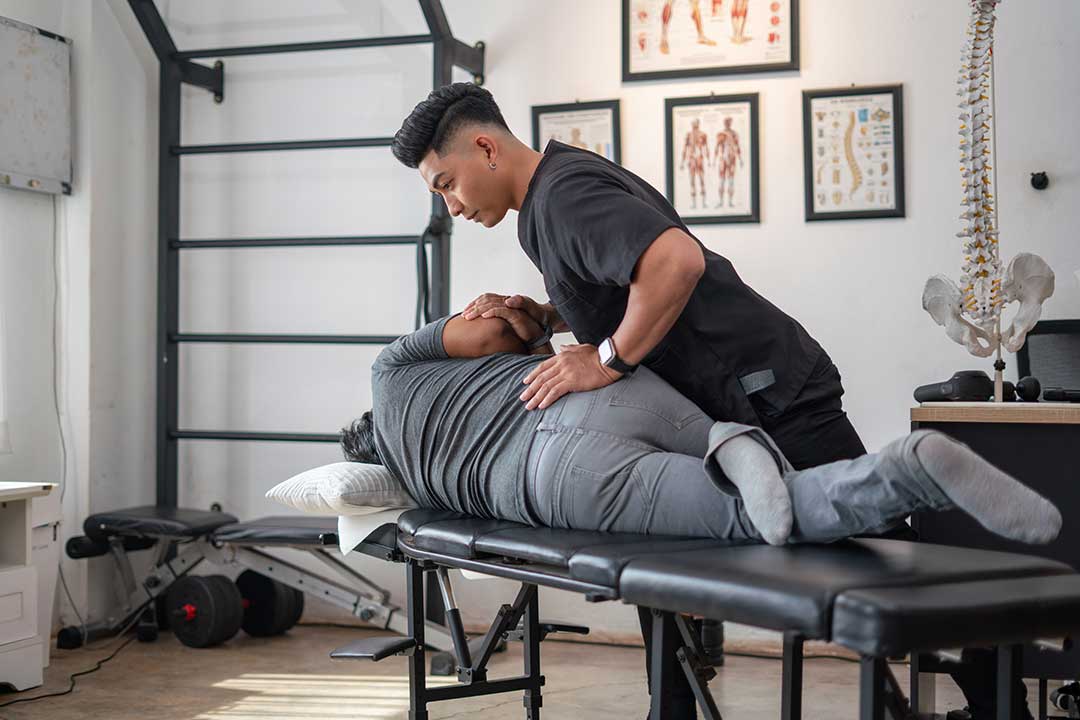
Returning to sports should be based on function, not only on pain reduction. The person should be able to perform necessary movements with appropriate strength, control, and confidence before resuming full participation.
What should families expect during an evaluation?
An evaluation should begin with questions about symptoms, daily activities, health conditions, previous injuries, medications, and goals. The examination may include posture, range of motion, strength, walking, balance, and task-specific movements.
Families can make the visit more useful by describing:
- When symptoms began
- What activities make them better or worse
- Whether symptoms occur at rest or only during movement
- Any recent changes in training or household demands
- Previous treatment and its results
- Relevant medical diagnoses or surgeries
Not every problem requires spinal manipulation. Some people may benefit more from exercise instruction, activity modification, medical evaluation, or referral to another type of clinician. A responsible approach includes explaining reasonable options, expected benefits, possible risks, and signs that require a different level of care.
What can families do between visits?
Daily habits often have a greater effect on long-term function than occasional treatment. Families can support healthy movement by keeping activity consistent, increasing workloads gradually, and avoiding long periods of complete inactivity after minor discomfort.
Practical steps include:
- Use short movement breaks during homework, computer work, or driving.
- Warm up before vigorous activity and cool down afterward.
- Change positions regularly instead of trying to maintain perfect posture all day.
- Lift with the object close to the body and avoid twisting while carrying it.
- Keep children’s backpacks reasonably light and adjusted to fit.
- Make room for rest, sleep, and recovery during busy sports seasons.
- Treat persistent or worsening pain as information rather than something to ignore.
For local households, active routines may shift with school schedules, crowded indoor spaces during cold months, slippery outdoor conditions, and the demands of commuting. Adapting activity to the season can help maintain consistency without forcing the body to perform at the same level every day.
Chiropractic care can be one part of a broader movement and health plan for an active family. Its greatest value comes from careful assessment, realistic goals, clear safety boundaries, and practical guidance that helps people continue daily life with better awareness of how their bodies move.
