

Healthy aging is less about avoiding every ache and more about preserving mobility, balance, strength, and confidence in daily life. In Lynbrook, NY, where many residents manage stairs, sidewalks, household responsibilities, commuting, and seasonal weather changes, musculoskeletal health can affect how comfortably a person remains active and independent.
Chiropractic care may support healthy aging as one part of a broader plan that includes regular movement, strength training, balance work, medical care, sleep, and attention to fall risks. It is not a replacement for treatment of serious disease, and it cannot reverse normal age-related changes. Its role is generally focused on the muscles, joints, spine, movement patterns, and physical activities that help a person function.
What does healthy aging mean from a movement perspective?
Healthy aging includes maintaining the ability to perform ordinary activities safely and comfortably. These may include walking several blocks, getting up from a chair, carrying groceries, turning the head while driving, reaching overhead, climbing stairs, or keeping up with household tasks.
Joint stiffness, reduced muscle strength, arthritis, previous injuries, and fear of falling can gradually limit these activities. A person may become less active because movement is uncomfortable, and reduced activity can then contribute to further weakness and loss of confidence.
Chiropractic care may help address certain mechanical sources of discomfort, such as restricted joint movement, muscle tension, or strain-related back and neck pain. The goal should be practical: improving comfort and movement enough to support safe participation in daily activities.
How can chiropractic care support mobility?
Chiropractic treatment commonly includes an assessment of posture, range of motion, joint function, muscle tension, and movement habits. Depending on the individual, care may involve gentle joint mobilization, spinal manipulation, soft-tissue techniques, stretching, or exercise instruction.
For an older adult, treatment should be adapted to health history, bone strength, medication use, balance, and tolerance. A technique that may be appropriate for one person may not be appropriate for another.
Improved comfort can make it easier to continue activities such as:
- Walking for transportation or recreation
- Performing light household work
- Using stairs safely
- Practicing strength and balance exercises
- Changing positions regularly rather than remaining seated
- Participating in social and family activities
The purpose is not to make the body “perfect.” It is to help preserve useful function while avoiding unnecessary strain.
Can chiropractic care help with back or neck pain later in life?
It may help some people with certain types of musculoskeletal pain, particularly when symptoms are related to joints, muscles, posture, or movement. Evidence for spinal manipulation suggests modest benefits for some forms of low-back pain, but results vary and treatment is not suitable for every condition.
Neck pain requires particular care because it can have many causes. A thorough history and examination should come before any treatment involving the neck. Sudden, severe, unusual, or rapidly worsening pain should not automatically be treated as a routine muscle or joint problem.
Pain accompanied by weakness, numbness, loss of coordination, fever, unexplained weight loss, major trauma, chest symptoms, difficulty speaking, severe headache, or changes in bladder or bowel control requires prompt medical evaluation. Older adults with osteoporosis, a history of cancer, recent falls, or significant medical conditions also need individualized screening before manual treatment.
Does chiropractic care prevent falls?
Chiropractic care alone should not be described as a fall-prevention program. Falls are influenced by leg strength, balance, vision, medication effects, footwear, home hazards, blood pressure changes, and walking ability.
However, addressing pain or restricted movement may make it easier for someone to participate in activities that reduce fall risk. Regular strength and balance training are especially valuable. Examples include sit-to-stand practice, supported heel raises, carefully supervised leg strengthening, tai chi, and balance exercises appropriate to a person’s ability.
Fall prevention also involves the home environment. In area households, attention may be needed around stairs, entryways, loose rugs, poor lighting, wet floors, and winter moisture or ice near outdoor walking areas. A cane, walker, or railing should be used correctly rather than treated as a sign of failure. Stability and independence are more important than appearance.
What should older adults ask before receiving treatment?
A useful discussion should include current symptoms, previous injuries, bone health, surgeries, medications, blood-thinning drugs, dizziness, balance concerns, and any recent falls.
Questions may include:
- What is the likely source of the pain or stiffness?
- Are there movements or conditions that make treatment unsafe?
- Which techniques would be used, and can gentler options be considered?
- What exercises or daily habits would support progress?
- What symptoms would require medical evaluation instead?
- How will improvement be measured in everyday activities?
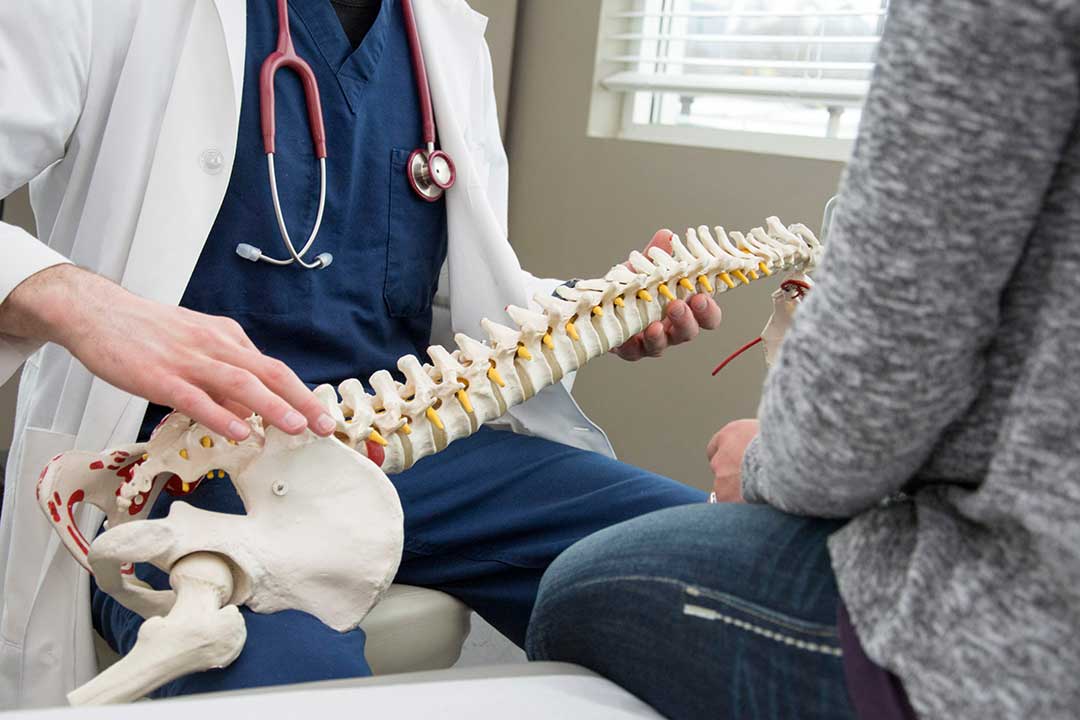
A clear plan should focus on function, not simply the number of visits or the sensation of receiving treatment. Useful measures might include walking tolerance, ability to turn the head, ease of standing from a chair, sleep comfort, or confidence using stairs.
Is chiropractic care safe for everyone?
No treatment is risk-free, and age alone does not determine whether chiropractic care is appropriate. Safety depends on the person’s health status, diagnosis, treatment area, and technique.
People with severe osteoporosis, recent fractures, unstable spinal conditions, inflammatory disease, neurological symptoms, infection, or certain vascular conditions may require medical assessment before manual care. Neck manipulation deserves especially careful consideration, and a person should be able to ask about alternatives.
Mild soreness or temporary stiffness can occur after treatment, but severe or unusual symptoms should not be ignored. A provider should be willing to coordinate with a primary care clinician, physical therapist, orthopedist, or other medical professional when the situation calls for it.
What else matters more than any single treatment?
Healthy aging depends on consistent habits. Chiropractic care, when appropriate, should complement—not replace—regular physical activity and preventive health care.
A practical weekly routine may include:
- Moderate aerobic activity, such as walking, as tolerated
- Muscle-strengthening exercises on multiple days
- Balance and flexibility activities
- Breaks from prolonged sitting
- Adequate protein, hydration, and sleep
- Vision and hearing checks
- Medication reviews when dizziness or weakness occurs
- Safer lighting, flooring, and handrails at home
Starting slowly is reasonable, especially after illness, injury, or a long period of inactivity. Pain that consistently worsens with activity, causes limping, or prevents normal function deserves evaluation rather than repeated self-treatment.
For local residents, healthy aging often means preserving the ability to move through familiar routines in every season—from walking on ordinary sidewalks to managing stairs and household tasks during colder, wetter weather. Chiropractic care may have a useful supporting role when it is carefully matched to the individual and combined with evidence-based exercise, fall prevention, and appropriate medical care.
