
Chronic pain is usually defined as pain lasting three months or longer. It may come from an injury, arthritis, nerve irritation, a recurring headache condition, or a complex interaction between the nervous system, sleep, stress, and movement. Self-care cannot explain or cure every cause, but it can often improve daily function and make symptoms more manageable.
For residents of Lynbrook, NY, an effective plan may need to fit around commuting, household responsibilities, prolonged sitting, seasonal weather changes, and limited time for structured exercise. The goal is not to eliminate every sensation of pain. A more realistic goal is to gradually improve movement, sleep, confidence, and participation in everyday activities.
What should self-care for chronic pain include?
The most useful approach combines several modest habits rather than relying on one treatment. A practical routine may include gentle physical activity, pacing, sleep support, relaxation, sensible use of heat or cold, and tracking patterns that affect symptoms.
Pain levels naturally vary from day to day. A difficult day does not necessarily mean new damage, just as a better day does not always mean the underlying condition has disappeared. Looking at function over several weeks is often more helpful than judging progress by a single morning or evening.
How can movement help without causing a flare-up?
Regular, gradual movement can reduce stiffness, maintain strength, support balance, and improve mood. Avoiding all activity may make the body less conditioned and can increase fear of movement. At the same time, forcing through severe pain can lead to setbacks.
Begin below the level that usually triggers a flare. Examples include:
- A five- to ten-minute walk on level ground
- Gentle range-of-motion exercises for the neck, shoulders, hips, or ankles
- Light strengthening using body weight or resistance bands
- Water-based movement if land exercise is uncomfortable
- Brief movement breaks during desk work, driving, or television viewing
Increase only one factor at a time: duration, frequency, or intensity. If symptoms remain noticeably worse into the next day, reduce the amount rather than abandoning movement completely.
During colder months, muscles and joints may feel stiffer after time outdoors or after remaining still in a cool room. Warming up indoors, wearing comfortable layers, and moving gently before heavier chores can help reduce this stiffness. Weather changes should not automatically be blamed for every increase in pain, however; sleep, stress, activity level, and illness can also contribute.
What does pacing mean, and why is it useful?
Pacing means dividing activities into manageable portions before pain becomes overwhelming. It helps avoid the common cycle of doing too much on a relatively good day, followed by several days of increased symptoms.
For example, instead of cleaning the entire home at once, divide the task into shorter periods with planned rests. Alternate standing tasks with seated tasks, and avoid remaining in one position for long stretches. A timer can provide a reminder to change position before discomfort becomes intense.
Pacing is different from complete rest. The purpose is to maintain regular participation while reducing large swings in activity.
Can heat or cold be used safely?
Heat may relax tight muscles and make movement more comfortable. A warm shower, heating pad, or warm compress can be useful before gentle stretching or activity. Cold may temporarily reduce soreness after an activity that irritated a joint or soft tissue.
Use a comfortable temperature, place a layer of fabric between the skin and the heat or cold source, and limit sessions to short periods. Do not sleep with a heating pad. People with reduced sensation, circulation problems, diabetes, or skin conditions should use extra caution because burns and cold injuries may occur without much warning.
How do sleep and stress affect ongoing pain?
Poor sleep can increase sensitivity to pain, reduce patience, and make physical activity more difficult. Pain can also interfere with sleep, creating a cycle that is difficult to break.
Helpful steps include keeping a consistent wake time, limiting bright screens close to bedtime, reserving the bed for sleep when possible, and addressing late-day caffeine or alcohol use. If pain makes one position uncomfortable, use pillows to support the knees, hips, arms, or neck rather than forcing the body into a rigid posture.
Stress does not mean pain is imaginary. Stress can increase muscle tension and heighten the nervous system’s response to ordinary signals. Slow breathing, progressive muscle relaxation, quiet stretching, mindfulness exercises, and brief time outdoors may help lower that response. These practices work best when repeated regularly, not only during a severe flare.
Should someone keep a pain and activity journal?
A short record can reveal patterns that are difficult to notice from memory. Track the following for one or two weeks:
- Pain intensity and location
- Sleep quality
- Time spent sitting, walking, or exercising
- Repetitive tasks or lifting
- Mood and stress
- Medications or home treatments
- What improved or worsened symptoms
The purpose is not to monitor every sensation. A simple record can help identify whether symptoms relate to prolonged sitting, a sudden increase in chores, poor sleep, or another factor. It can also make conversations with a health professional more specific.
Are over-the-counter pain medicines part of self-care?
Some people use acetaminophen or anti-inflammatory medicines for pain, but these products are not risk-free. The correct choice depends on age, kidney or liver health, stomach conditions, blood pressure, pregnancy, allergies, and other medicines being taken.
Read labels carefully and avoid combining products that contain the same active ingredient. Anti-inflammatory medicines can interact with blood thinners and may affect the stomach, kidneys, or cardiovascular system. Acetaminophen can harm the liver when taken in excessive amounts or combined with substantial alcohol use. A pharmacist or medical clinician can help review safe options, especially when pain is frequent.
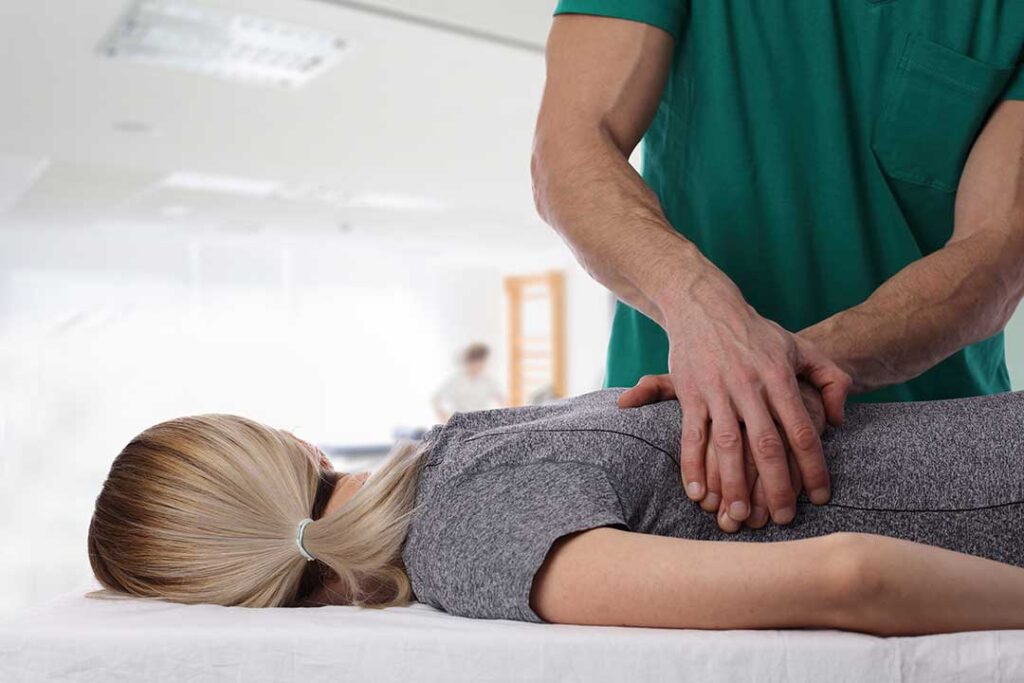
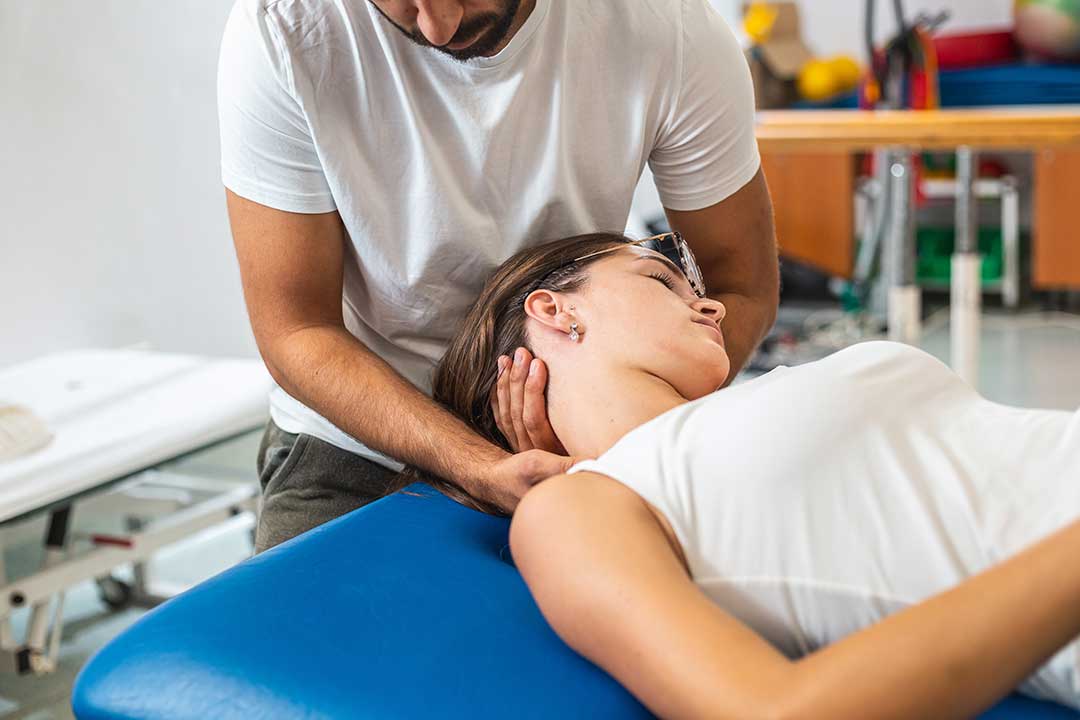
Self-care should not be used to delay evaluation of persistent or changing symptoms. Chiropractic care, physical therapy, medical care, and other approaches may be appropriate for different causes of pain. No single approach is suitable for everyone, and treatment should be matched to the diagnosis and a person’s health history.
When does chronic pain require prompt medical attention?
Seek urgent medical evaluation for pain accompanied by new weakness, loss of bladder or bowel control, numbness in the groin area, severe injury, unexplained fever, chest pain, fainting, sudden severe headache, or unexplained weight loss.
A new pattern of pain, progressive numbness, pain that repeatedly wakes someone from sleep, or symptoms that continue to worsen also deserves timely assessment. These signs do not always indicate a serious condition, but they should not be managed solely with home remedies.
For everyday chronic pain without warning signs, begin with small, repeatable changes: brief movement, planned pacing, improved sleep habits, and careful observation of triggers. Progress is better measured by being able to walk farther, complete a household task, sleep more consistently, or take part in normal activities—not only by whether pain reaches zero.
